
Stop Guessing. Start Harvesting.
Stop Guessing. Start Harvesting.
You don’t need a backyard to grow your own food. If you have a few square feet of outdoor space and a watering can, you can start harvesting fresh salads and herbs in under a month. The trick isn’t having a green thumb; it’s simply picking the right crops for container life.
In this guide, we are breaking down the best balcony vegetables for beginners, ranked by difficulty. We will cover exactly which seeds to buy, the specific soil you need, and how to avoid the classic beginner mistakes that kill most apartment plants.
A true balcony vegetable needs to thrive in a confined space. It must have a shallow root system and offer a high yield per square foot. Furthermore, since most balconies have roofs or overhangs, the best crops are those that can tolerate partial shade rather than demanding 8+ hours of blistering, direct overhead sunlight.
If you stick to leafy greens and compact varieties, you will bypass the frustrations of traditional farming completely.Learn How to Turn Your Small Courtyard into a Food Forest with Video Lessons
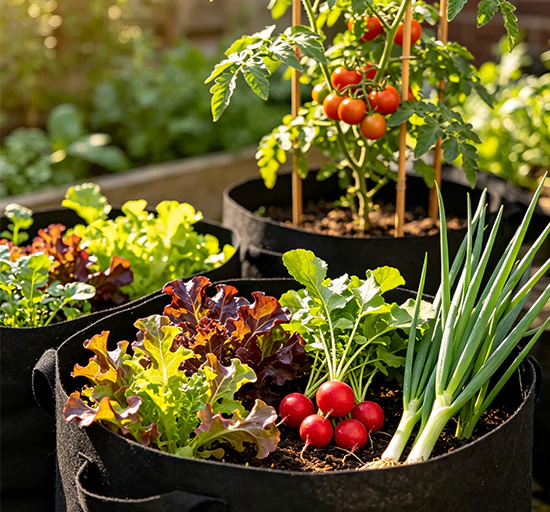
Stop guessing at the garden center. Here is exactly what you should be planting, categorized by how much effort they require.
These crops grow fast, handle shallow pots, and are incredibly forgiving if you forget to water them for a day.
If you have a South-facing balcony and larger containers (5 gallons or more), you can step up to fruiting crops.
When we set up our first 5th-floor balcony garden, we made a massive mistake: we dug up dirt from a family member’s backyard and put it in our pots.
Within a week, that soil turned into a solid brick of concrete. The water pooled on top, the roots suffocated, and we introduced a nasty aphid infestation to our enclosed space.
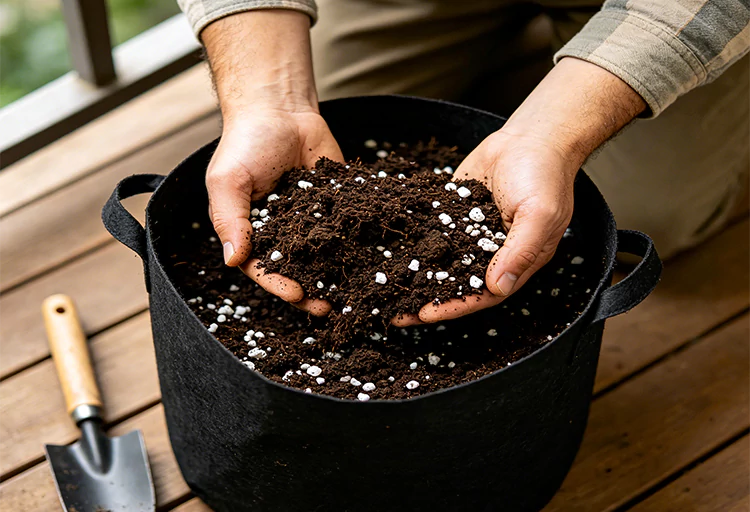
The lesson? Never use ground dirt in containers. You must use a dedicated Organic Potting Mix (we swear by Miracle-Gro Performance Organics or local nursery equivalents). Potting mixes contain perlite and peat, ensuring the soil stays fluffy and drains perfectly.
Also, remember that high-rise balconies lack natural pollinators (bees). If you are growing enclosed tomatoes or cucumbers, you have to hand-pollinate by gently shaking the stems or brushing the open flowers with a soft makeup brush.
Use these two quick-reference tables to plan your container layout and maintenance schedule.
Table 1: Balcony Crop Planning Guide
| Crop Name | Sun Requirement | Days to Harvest | Ideal Container Size | Grow Method |
| Mesclun Mix | 3-5 Hours | 30 Days | 6″ Deep Pot | Sow Seeds Directly |
| Cherry Radish | 4-6 Hours | 25 Days | 6″ Deep Pot | Sow Seeds Directly |
| Bush Tomatoes | 6-8 Hours | 65 Days | 5-Gallon Grow Bag | Buy Seedlings (Starts) |
| Bush Beans | 6-8 Hours | 50 Days | 3-Gallon Pot | Sow Seeds Directly |
Table 2: Balcony Soil & Maintenance Protocol
| Category | The “Golden Rule” for Balconies | Recommended Products / Actions |
| Soil Base | Must drain instantly and stay aerated. | Organic Potting Mix (Never use garden topsoil). |
| Containers | Must have drainage holes at the bottom. | Fabric Grow Bags are best for preventing root rot. |
| Watering | The “Finger Test”. Water only when dry 1 inch down. | Water until it pours out the bottom drainage holes. |
| Fertilizer | Nutrients wash out of pots quickly. | Liquid Fish Emulsion (every 2 weeks for leafy greens). |
Q: Can I use dirt from my backyard for balcony pots?
A: Absolutely not. Backyard soil will compact into hard clay inside a container, suffocating the roots and introducing outdoor pests. Always buy bags of high-quality “potting mix” formulated specifically for containers.
Q: Should I start my balcony vegetables from seeds or buy small plants?
A: For fast-growing root veggies and leafy greens (radishes, lettuce, arugula), always plant seeds directly into your pots. For fruiting plants like tomatoes or peppers, it is much safer and faster for beginners to buy established young seedlings (starts) from a nursery.
Q: How do I pollinate vegetables on an enclosed high-rise balcony?
A: Since bees rarely visit high-rise balconies, you must hand-pollinate fruiting plants. When your tomato or cucumber flowers open, gently tap or shake the main stem, or use a soft paintbrush to tickle the inside of each flower to spread the pollen.
Q: What can I actually grow on a North-facing balcony with very little sun?
A: If you get less than 4 hours of direct sun, avoid tomatoes and cucumbers completely. Stick strictly to highly shade-tolerant crops like baby spinach, kale, arugula, and regrown green onions.
Q: Where is the best place to buy seeds for container gardening?
A: Look for reputable online seed catalogs that offer high germination rates and organic options. Brands like Burpee, Botanical Interests, and Johnny’s Selected Seeds are highly recommended by urban gardeners.
Late June is still a perfect time to start. Buy some fabric grow bags, grab a bag of potting mix from Home Depot or Lowe’s, and plant those radish and lettuce seeds. You will be eating your own harvest before the month is over.
About the Author: I specialize in urban agriculture and helping apartment dwellers maximize their tiny outdoor spaces. Stuck on a dying plant or need advice on your balcony setup? Email me directly at Info@yardveggie.com. I read and reply to every single message!