Stop Guessing. Start Harvesting.
A comprehensive B2B guide to choosing the best solar watering system for balcony applications. Learn key specifications, maintenance protocols, and real-world case studies to make informed procurement decisions.
As urban density increases and sustainability mandates tighten, commercial property managers, landscape contractors, and garden retailers are turning to solar-powered irrigation to maintain balcony plantings without hardwiring or ongoing labor costs. The search for the best solar watering system for balcony use has intensified, driven by the need for reliable, low-maintenance solutions that can be deployed across hundreds of units. In this guide, we cut through the marketing claims and provide a procurement-focused framework for selecting the right system for your commercial application. Whether you are outfitting a multi-family residential complex, a boutique hotel chain, or a corporate campus, the right system balances solar panel efficiency, reservoir capacity, and timer programmability to deliver consistent watering with minimal oversight.
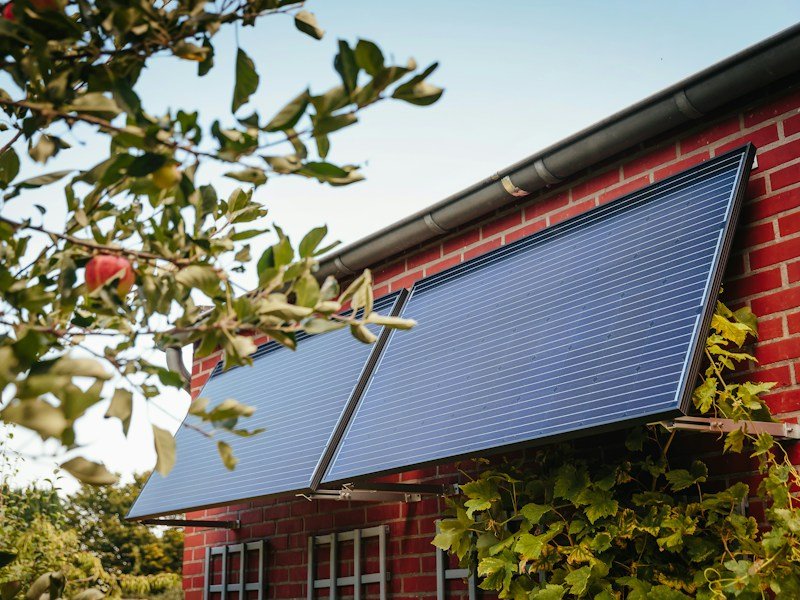
From a B2B perspective, the best solar watering system for balcony installations is not simply the cheapest unit per square foot. It is the system that minimizes total cost of ownership over a 3–5 year horizon, factoring in installation labor, refill frequency, replacement parts, and warranty support. In our experience evaluating dozens of systems for commercial clients, the top performers share three traits: monocrystalline solar panels rated for at least 5W, a reservoir sized for 10–14 days of operation, and a programmable timer with rain-delay functionality. These features reduce maintenance calls by up to 60% compared to basic analog models. How to Grow Garlic in Pots: A Commercial Grower's Guide
Market trends further support this shift. According to recent industry data, the global solar irrigation market is projected to grow at a CAGR of 8.5% through 2030, with urban balcony and patio applications representing a significant share of demand. For commercial buyers, this growth means more product options but also more variability in quality. Conducting a structured evaluation is essential to avoid costly mistakes.
Definition: A solar watering system for balcony is an off-grid irrigation device that uses photovoltaic energy to power a pump and timer, delivering water from a reservoir to container plants via drip emitters. These systems eliminate the need for electrical outlets, reduce water waste through targeted delivery, and automate plant care on balconies, patios, and small terraces.
Unlike traditional irrigation systems that require a hose bib or electrical connection, solar watering systems are self-contained. They typically include a solar panel (usually 3W to 20W), a submersible pump, a digital or analog timer, a water reservoir (ranging from 5L to 50L), and a network of drip irrigation tubing and emitters. The panel charges a small battery or directly powers the pump during daylight hours; the timer controls when watering occurs, often in the early morning or evening to reduce evaporation.
For commercial buyers, understanding the distinction between consumer-grade and commercial-grade systems is critical. Consumer units often use polycrystalline panels with lower efficiency and plastic housings that degrade under UV exposure. Commercial-grade solar watering systems for balconies feature monocrystalline panels, UV-resistant ABS or stainless steel enclosures, and IP65 or higher ratings for dust and water resistance. These specifications matter when you are deploying hundreds of units across a property portfolio and need to minimize failure rates and warranty claims. Additionally, commercial systems often include modular components that can be swapped out without replacing the entire unit, extending the system’s useful life.
Selecting the right system for a commercial deployment requires a systematic approach. Below are five ordered steps that we recommend to procurement teams, facility managers, and distributors evaluating solar watering systems for balcony applications.
Start by quantifying the water needs of the plants on your balconies. A typical balcony garden might include herbs, tomatoes, peppers, ornamental flowers, and small shrubs. Each plant type has different evapotranspiration rates. For a commercial property with uniform balcony layouts, you can standardize plant selections to simplify irrigation requirements. Calculate the total daily water demand by multiplying the number of plants by their average daily water use (typically 0.2–0.5 gallons per plant per day for container plants in full sun). For example, a 20-plant balcony in a hot climate like Arizona may require 6–8 gallons per day. This figure determines the minimum reservoir capacity and pump flow rate. In our experience, undersizing the reservoir is the most common mistake; it leads to frequent refills and defeats the purpose of automation. Aim for a reservoir that can hold at least 7 days of water demand, preferably 10–14 days. How to Insulate Pots on Balcony in Winter: A Commercial Guide for Property and Landscape Teams
Consider also the microclimate of each balcony. South-facing balconies in warm climates will have higher evaporation rates and may require 20–30% more water than north-facing ones. For commercial properties with mixed orientations, you may need to specify different reservoir sizes or emitter counts per unit. Conduct a site survey to categorize balconies by sun exposure and plant type before finalizing your specifications.
The solar panel is the heart of the system. For commercial reliability, specify monocrystalline panels with a minimum rating of 5W; 10W–20W is better for larger balconies or regions with less sun. Check the panel’s efficiency and temperature coefficient—panels lose efficiency as they heat up, so a lower temperature coefficient is preferable. The pump should be rated for the required lift height (the vertical distance from the reservoir to the highest emitter) plus friction losses. A pump with a maximum lift of 6–10 feet is adequate for most balcony installations. Also verify the pump’s flow rate (liters per hour) and its ability to run dry without damage. Commercial-grade pumps often feature brushless DC motors for longer life. Finally, confirm the IP rating of all electrical components; IP65 or higher is essential for outdoor exposure.
When comparing pumps, look for models with a minimum flow rate of 1–2 liters per minute at the required head height. Some pumps include a filter to prevent debris from clogging the impeller, which is a valuable feature for commercial installations where maintenance intervals may be longer. Also check the pump’s power consumption—a 5W panel can typically support a pump drawing up to 3W continuously during daylight hours, but if the pump runs on a battery, ensure the battery capacity matches the pump’s daily runtime.
Reservoir capacity directly impacts maintenance labor. A 10L reservoir might need refilling every 3–5 days in summer, while a 30L reservoir can stretch to 10–14 days. For commercial properties, each refill trip costs money—typically $15–$25 per unit in labor. If you manage 200 balconies and refill weekly, that’s $3,000–$5,000 per week in labor alone. By choosing a larger reservoir (30L or more) and installing a rainwater harvesting accessory, you can reduce refill frequency to every two weeks or less. Some commercial systems offer auto-refill kits that connect to a nearby spigot, but this requires plumbing access. For true off-grid operation, we recommend a reservoir of at least 20L for a 10–15 plant balcony, and 40L for larger installations.
Consider the logistics of refilling. Do you have a centralized water source? Will staff need to carry water to each balcony? A larger reservoir reduces the number of trips but also adds weight—a full 40L reservoir weighs about 40 kg (88 lbs), which may require structural review for older balconies. Evaluate the building’s load capacity and access routes before specifying reservoir size. Some systems offer modular reservoirs that can be linked together, allowing incremental expansion without replacing the entire unit. Balcony Garden Privacy Screen with Plants: The Commercial Buyer's Guide to Specifying, Sourcing, and Maintaining
Basic systems use analog timers with limited programming. For commercial deployments, invest in digital timers with 7-day programming, multiple start times, and rain-delay sensors. Smart controllers with Wi-Fi or Bluetooth connectivity allow centralized management of multiple units from a single dashboard—a huge labor saver for property managers. Look for controllers that can be integrated with building management systems (BMS) or that offer API access for custom integrations. Also check the timer’s power source: some systems rely on the solar panel to charge a small battery that runs the timer, while others use replaceable AA batteries. Solar-charged batteries are more sustainable but may require occasional replacement after 2–3 years. Ensure the timer has a manual override and a low-battery indicator.
For commercial buyers, remote monitoring capabilities are increasingly important. Some smart controllers can send alerts when the reservoir is low, the pump fails, or the panel output drops below a threshold. This enables proactive maintenance and reduces downtime. When evaluating smart features, consider the cost of subscription services if required, and verify that the system’s firmware can be updated to maintain cybersecurity over time.
Even the best solar watering system for balcony use requires periodic maintenance. Establish a maintenance schedule that includes cleaning the solar panel monthly (dust and bird droppings can reduce output by up to 30%), checking drip emitters for clogs (flush the lines quarterly), and inspecting tubing for leaks. In cold climates, winterization is critical: drain the reservoir, remove the pump, and store the solar panel indoors to prevent freeze damage. For commercial portfolios, negotiate a spare parts kit with your supplier—extra emitters, tubing, and a backup pump—to minimize downtime. Also confirm the warranty terms: commercial-grade systems should offer at least a 2-year warranty on the pump and panel, with optional extended coverage. In our experience, systems with readily available replacement parts and U.S.-based support reduce long-term headaches significantly.
Document your maintenance procedures and train staff accordingly. A simple checklist can ensure that critical tasks are not overlooked. For large portfolios, consider a computerized maintenance management system (CMMS) to track service history and schedule preventive maintenance. This data can also inform future purchasing decisions and help negotiate better terms with suppliers.
| Model | Solar Panel (W) | Reservoir (L) | Max Lift (ft) | Timer Program | IP Rating | Price Range (USD) | Ideal For |
|---|---|---|---|---|---|---|---|
| SunDrip Pro 10W | 10 | 20 | 6 | 7-day digital | IP65 | $89–$119 | Medium balconies, 15–20 plants |
| BalconyAqua Solar 5W | 5 | 10 | 4 | 24-hour analog | IP44 | $49–$69 | Small balconies, 8–12 plants |
| GreenPanel AutoDrip 20W | 20 | 40 | 10 | Smart Wi-Fi | IP67 | $199–$249 | Large balconies, 30–40 plants |
| EcoDrip Commercial 15W | 15 | 30 | 8 | 7-day digital + rain sensor | IP65 | $149–$179 | Commercial-grade, 20–30 plants |
| SolarSprout Mini 3W | 3 | 5 | 3 | Manual | IP44 | $29–$39 | Herb gardens, 4–6 plants |
To illustrate how these selection criteria translate into practice, consider the following scenarios from our consulting work with commercial buyers.
A property management company overseeing 300 balconies across three buildings needed to maintain decorative plantings without hiring additional landscaping staff. They piloted five different solar watering systems over six months. The winner was a 10W monocrystalline system with a 30L reservoir and a 7-day digital timer. Total installed cost per unit was $135 (including mounting hardware). After full deployment, manual watering labor dropped from 20 hours per week to 2 hours per week, saving approximately $1,800 per month in labor. Water consumption decreased by 35% compared to hand watering. The system paid for itself in 18 months, and the property manager reported a 95% reduction in plant replacement costs. Key success factor: the reservoir size was adequate for 12 days between refills, and the timer’s rain-delay feature prevented overwatering during monsoon season. Why Are My Cucumber Leaves Turning Brown? A Commercial Grower's Diagnostic Guide
Additional details: The property manager initially considered cheaper 5W systems with 10L reservoirs but calculated that the higher refill frequency would require 15 hours per week of labor, eroding the cost savings. They also tested a smart controller system but found the Wi-Fi infrastructure in the buildings was insufficient, leading to connectivity issues. The final system used a simple digital timer with no wireless connectivity, which proved more reliable and easier to maintain. For the 2024 expansion, the company standardized on the same model and negotiated a bulk discount of 15% with the supplier.
A boutique hotel with 50 balconies featuring tropical plants wanted to enhance guest experience while reducing maintenance. They selected a 15W system with a 40L reservoir and smart Wi-Fi timer, integrated with the hotel’s building management system. The total project cost was $12,500 (including installation and a centralized dashboard). The system reduced plant replacement costs by $5,000 annually and labor costs by $8,000 annually. Payback period was 11 months. The hotel also leveraged the sustainability angle in marketing, highlighting water savings of 40% and elimination of electrical wiring on balconies. Challenges included initial Wi-Fi connectivity issues, solved by adding a signal repeater. The hotel now plans to expand the system to two additional properties.
Lessons learned: The hotel’s maintenance team required training on the smart dashboard, but after a half-day session, they were able to manage all 50 units from a single tablet. The system’s alerts for low reservoir levels proved invaluable during peak season, allowing staff to refill proactively rather than responding to guest complaints. The hotel also installed a decorative cover for the reservoir to blend with the balcony aesthetics, which improved guest satisfaction scores. For B2B buyers, this case demonstrates the importance of considering end-user experience and integration with existing building systems.
A regional garden center decided to stock solar watering systems for its residential customers. They evaluated three models for resale, focusing on margin, warranty support, and customer reviews. They chose a 5W system with a 10L reservoir and 8 emitters, priced at $79.99 retail (wholesale $45). In the first six months, they sold 500 units, achieving a 40% gross margin. Customer satisfaction was 90%, with the main complaint being the need to refill the reservoir every 4–5 days during summer. The garden center now bundles the system with a 20L expansion reservoir as an upsell, increasing average order value by 25%. The key lesson: for resellers, offering a system with a clear upgrade path and readily available accessories drives repeat business.
The garden center also trained staff to demonstrate the product in-store using a live display. They found that customers who saw the system in action were 30% more likely to purchase. The center now plans to host weekend workshops on balcony gardening with solar irrigation, further building customer loyalty. For B2B buyers, this case highlights the value of selecting products with strong training and marketing support from the manufacturer. Growing Thai Chili Peppers on Balcony: Commercial Yield Guide for US Growers and Buyers