
Stop Guessing. Start Harvesting.
Stop Guessing. Start Harvesting.
Choosing between direct sowing and transplanting in pots is a critical decision for commercial growers. This guide breaks down the agronomic, economic, and operational factors to help you scale efficiently.
If you run a commercial greenhouse, nursery, or large-scale field operation, you’ve likely wrestled with the question: direct sowing vs transplanting in pots — which approach makes sense for your bottom line, your timeline, and your crop portfolio? I’ve spent over a decade advising growers across the U.S., and I can tell you there is no universal answer. The right choice depends on crop type, infrastructure, labor availability, and market timing. In this guide, I’ll share practical insights from real operations, compare the two methods in terms of cost, labor, and yield, and give you a step-by-step framework to make the call with confidence.
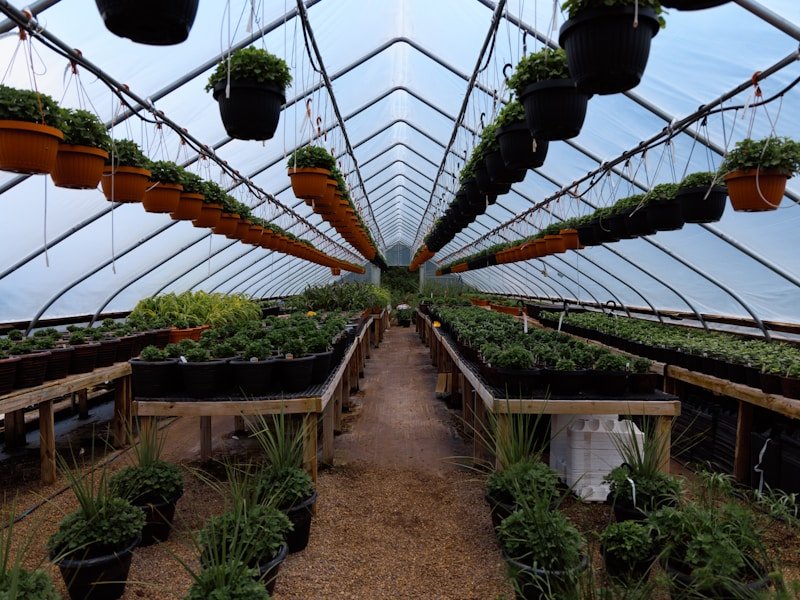
Direct sowing means planting seeds directly into the final growing medium or soil, while transplanting in pots involves starting seeds in a controlled nursery environment and later moving the seedlings into larger containers or field rows. Both methods have their place. For instance, root crops like carrots almost always fail when transplanted because their taproots are easily disturbed. On the other hand, slow-growing crops like celery or tomatoes thrive when given a head start in pots. The key is matching the biological requirements of the plant to your operational capacity. Soil Block Seed Starting for Balcony: A Commercial Guide for Urban Growers
Let’s dive into what each method truly entails, so you can evaluate them without the marketing fluff.
To put it simply, direct sowing is the practice of seeding directly into the planting bed, field, or final container. There is no intermediate step. Transplanting in pots is a two‑phase production system: seeds are first sown in trays or small pots under protected conditions, then, after some weeks, the young plants are transferred to their final location—whether that’s a larger pot, a greenhouse bench, or open ground. This distinction is crucial because it affects germination rates, crop uniformity, labor scheduling, and even water usage.
From an agronomic standpoint, direct sowing exposes seeds to outdoor conditions from day one. This means germination depends on soil temperature, moisture, and disease pressure. In contrast, pot transplanting allows you to control temperature, humidity, and light during the most fragile growth stage. For many commercial crops, this controlled start can shave days off the production cycle and improve uniformity—a key selling point when supplying retail chains that want identical heads of lettuce or uniformly sized herbs.
However, transplanting in pots requires more upfront investment in trays, potting mix, bench space, and labor for transplanting. Direct sowing is simpler and often cheaper per acre, but it carries higher risk of poor stand establishment. In the sections below, I’ll help you weigh these trade‑offs using real numbers.
I recommend approaching this decision as a five‑step evaluation. It’s the same process I walk my clients through, and it has prevented many costly mistakes.
| Factor | Direct Sowing | Transplanting in Pots |
|---|---|---|
| Seed Cost (hybrid vegetables) | $180–$350 | $150–$300 (plus trays) |
| Initial Infrastructure Cost | Low (seed drill optional) | Moderate–High (trays, benches, mist system) |
| Germination Rate (field conditions) | 75–90% | 90–95% (controlled) |
| Labor Hours (sowing + thinning / transplanting) | 15–25 hrs | 25–40 hrs |
| Time to Maturity | Baseline | 7–14 days earlier |
| Water Use | Higher (irrigation for germination) | Lower (targeted irrigation) |
| Crop Uniformity | Variable | High |
| Disease & Pest Risk in Early Stage | High | Low (protected germination) |
| Marketable Yield Increase | — | 10–20% for many crops |
) summarizes typical cost and performance differences. But don’t rely solely on generic numbers. Calculate your own costs for seed, soil, containers, labor, and overhead. I’ve seen farms where switching from direct sowing to transplanting in pots reduced overall costs because transplant losses were lower and yields were more uniform.
By following these steps, you’ll turn a gut feeling into a data‑driven decision. It’s not about which method is “better” in theory, but which fits your operation’s constraints.
Let me share a case study from a 20‑acre organic vegetable farm in California’s Central Valley. The owner, Sarah, had always direct‑sown her broccoli and lettuce. She struggled with uneven germination and had to replant entire blocks twice in a single spring. This cost her roughly $12,000 in lost seed, labor, and delayed harvests. After a consult, she agreed to trial transplanting in pots for half of her broccoli acreage. She used 72‑cell trays and transplanted after four weeks. The result?
The transplanted broccoli matured seven days earlier, with uniformity that allowed her to harvest in a single pass. The direct‑seeded side needed two harvests due to staggered growth. Her marketable yield increased by 18% on the transplanted block. Although the pot‑transplanting method added 85 hours of labor per acre, the earlier harvest and improved uniformity let her command a 15% price premium from her wholesale buyers. Net profit per acre was $1,480 higher on the transplanted block. How to Start Cucumber Seeds in Pots: A Commercial Grower's Guide
On the flip side, I worked with a large herb grower in Florida who grows basil and cilantro for processing. They tried transplanting in pots but found that the basil’s stems became thick and woody when started in pots, and they lost pungency. They switched back to direct sowing, which gave them a clean, tender leaf and lower production costs. The lesson? Perennial herbs with sensitive roots often prefer direct sowing.
Another example: a greenhouse salad greens operation in Ohio uses direct sowing for arugula and baby spinach, but transplanting in pots for romaine and kohlrabi. They run a continuous system where the seedling room operates on a 3‑week conveyor. Their efficiency improved by 30% because they can stagger harvests perfectly. They told me that the seed costs for lettuce are low enough that direct sowing would seem cheaper, but the higher germination accuracy and minimal thinning made transplanting the real money‑saver when all labor was computed.
These examples underscore that the “best” method is crop‑specific and site‑specific. Always conduct small‑scale side‑by‑side trials before committing a full season.
Beyond the basic choice, there are several operational factors that can tip the scale. Let’s look at them through the lens of a professional buyer or farm manager.
Commercial seeds are expensive, especially hybrid varieties. Direct sowing requires more seed because you’ll over‑sow and thin. If you’re using premium genetics engineered for disease resistance, you want to protect every seed. Pot transplanting allows you to germinate in a controlled environment, achieving 90–95% germination. You can then cull weak seedlings before they ever occupy valuable production space. For high‑value crops like organic tomatoes, that precision often justifies the added cost of trays and labor.
Direct sowing requires frequent, light irrigation to keep the soil surface from crusting. Depending on your soil type, this can lead to significant water loss from evaporation. In contrast, pot‑grown seedlings are watered efficiently within a small container, and you can use drip tape or ebb‑and‑flow systems. Many growers report 20–30% water savings when moving to pot transplanting, because you’re not keeping an entire bed moist just to get seeds to germinate.
Direct sowing exposes young seedlings to soil‑borne pathogens and insects immediately. For crops like radishes or carrots, this is a minor risk. But for leafy greens and brassicas, in‑ground damping‑off and flea beetles can decimate a stand. Pot transplanting lets you quarantine seedlings and only set out healthy, hardened‑off plants. This can dramatically reduce pesticide use. In a moisture‑heavy year, I’ve seen direct‑seeded fields lose 30% before the first true leaf, while transplanted fields lost less than 5%.
One overlooked advantage of transplanting in pots is that you can schedule planting around weather windows. Instead of waiting for a dry week to direct seed, you can have healthy seedlings ready to go when the conditions are perfect. This flexibility is especially valuable in northern climates with short seasons. For example, a vegetable farm in Maine uses pot transplanting for all of their brassicas and alliums. They start seeds in March in a heated greenhouse and transplant in late May, avoiding frost damage entirely. Direct seeding would require them to wait until frost risk passes, losing two weeks. How to Start Pepper Seeds Indoors: A Guide for Commercial Growers
The table below gives typical per‑acre figures for medium‑scale operations (1–5 acres) based on 2024 data from the USDA and several university extension services. Keep in mind that these are averages; your numbers will vary with region and crop.
| Factor | Direct Sowing | Transplanting in Pots |
|---|---|---|
| Seed Cost (hybrid vegetables) | $180–$350 | $150–$300 (plus trays) |
| Initial Infrastructure Cost | Low (seed drill optional) | Moderate–High (trays, benches, mist system) |
| Germination Rate (field conditions) | 75–90% | 90–95% (controlled) |
| Labor Hours (sowing + thinning / transplanting) | 15–25 hrs | 25–40 hrs |
| Time to Maturity | Baseline | 7–14 days earlier |
| Water Use | Higher (irrigation for germination) | Lower (targeted irrigation) |
| Crop Uniformity | Variable | High |
| Disease & Pest Risk in Early Stage | High | Low (protected germination) |
| Marketable Yield Increase | — | 10–20% for many crops |
As you can see, direct sowing has lower upfront material costs, but the hidden costs of seed overuse, thinning labor, and crop failure can close the gap. Pot transplanting requires an initial investment in trays and potting mix, but it often pays off through faster harvests and higher marketable yields.
If you’re operating a large facility, your equipment choices matter. Direct sowing can be mechanized with precision seed drills, which work well for grains and some vegetables. However, precision drills for direct seeding of vegetables are expensive and require meticulous calibration. Pot transplanting, on the other hand, is often semi‑automated. Manual sowing into trays is still common, but companies like WPS and Mechanical Transplanter offer machines that fill trays, press holes, and even transplant up to 6,000 plants per hour. For a commercial nursery, investing in these machines makes sense if you’re planting more than 5 acres a season.
From a supply chain perspective, transplanting in pots also gives you better inventory control. You can produce trays on site or buy them from wholesale plug growers. If you source from plug growers, you shift the risk of germination to them, but you also pay a premium. Many growers prefer to propagate their own because it allows them to use organic seed and control the plant nutrition from day one.
Another consideration is waste management. With direct sowing, there are no containers to dispose of or recycle. Pot transplanting uses plastic trays and pots, which are now recyclable through programs like the AgriRecycle system in several states. But you’ll need to factor the cost of washing and storing trays. In our experience, trays can be reused for 5–7 cycles if handled properly, which reduces the environmental footprint.
Through my consulting work, I’ve noticed a few recurring errors. One is transplanting crops that don’t tolerate root disturbances. Zucchini, for instance, is often sold as transplants, but the shock can set back growth by a week. If you must transplant, use biodegradable peat pots to minimize root disturbance. Another mistake is hardening off improperly. Seedlings grown in perfect greenhouse conditions need 5–7 days of gradual exposure to outdoor wind and sunlight. Skip this, and you’ll get sunscald and wind burn. Best Vertical Vegetable Garden Ideas for Balcony
On the direct‑sowing side, the biggest mistake is planting too deep. Small seeds like lettuce need light to germinate. Direct sowing requires careful bed preparation. Many growers also forget to maintain a consistent moisture level during germination. If the soil dries out, the seeds can abort. Using a row cover or a light mulch can help.
One more tip: always keep records. Track date of sowing, germination percentage, days to transplant, and yield. Over three seasons, you’ll have enough data to make statistically robust decisions. I’ve seen “conventional wisdom” overturned once a grower looked at three years of yield data. For example, one client was convinced that direct sowing was cheaper for sweet corn, but after accounting for thinning labor and uneven ears, transplanting in pots reduced production cost by $0.02 per ear.
Commercial buyers and regulators are increasingly asking about sustainability. Direct sowing generally uses fewer plastic inputs, but pot transplanting can be eco‑friendly if you use biodegradable pots and soil‑less mix. There is also a difference in carbon footprint. Pot transplanting may require heating greenhouses for early propagation, which consumes energy. However, the earlier harvest can shorten the field season, reducing tractor passes and irrigation.
In water‑scarce regions, drip‑irrigated transplanting has a clear advantage. Since plants are established quickly, they shade the soil earlier, reducing evaporation. A 2021 study in the Journal of Horticulture found that transplanted lettuce used 22% less water per head than direct‑seeded lettuce, even when the transplant seedlings were produced with overhead booms. That’s a compelling selling point if you’re aiming for a sustainability certification.
Organic growers should also note that direct sowing is often required for certain crops in USDA organic standards if you want to claim “wild‑simulated” or low‑intervention practices. But for most vegetables, either method is allowed.
So, is it direct sowing or transplanting in pots? My professional recommendation is to use a hybrid approach. Start with pot transplants for high‑value, slow‑germinating crops like tomatoes, peppers, celery, onions, and brassicas. Use direct sowing for root crops, legumes, and crops where harvest is achieved by continuous cutting, like baby leaf greens. This gives you the best of both worlds—risk control and early harvests where it matters, and low cost and simplicity where it doesn’t.
Remember that every farm is different. At the end of the day, the best method is the one that maximizes your profit per square foot while maintaining produce quality. If you still have doubts, run a side‑by‑side trial on a small strip. Measure everything: seed cost, labor hours, water consumption, yield per plant, and marketable weight. That data will be worth more than any blog post.
If you have questions about supply chain logistics or need a partner to supply pots, trays, or seeds, reach out. My team and I work with growers across the U.S. to optimize horticultural systems. We’ve seen too many smart growers lose money just because they picked the wrong propagation method. Let’s make sure you don’t. Bottom Heat Mat for Seed Germination: A Commercial Grower’s Guide
Many commercial growers treat direct sowing and pot transplanting as an either-or decision, but the strongest plans often use both. A hybrid approach lets you allocate transplanting to the portion of the crop that must hit an early market window, achieve a uniform grade, or survive a difficult field start, while direct sowing the remainder to spread labor and hedge against nursery losses. Keep the two blocks separate for irrigation, fertility, and pest scouting so you can compare results cleanly.
Use transplants for the first planting of a succession and direct sow later plantings once soil conditions are reliable. This reduces nursery pressure during peak weeks and keeps the harvest window extended. For crops that are marginal under field germination, direct sow a small buffer block and transplant the main block; the buffer gives you a fallback if nursery losses occur. Record stand counts, harvest dates, and cull rates by block so the ratio improves each season.
Before moving pots or plugs to the field, inspect a random sample from each tray. A transplant should hold its root ball without circling roots, show active white root tips, and have uniform leaf color with no visible lesions or pests. Stretched stems, yellow lower leaves, dry leaf margins, or roots escaping the cell bottom are signs to delay field set or adjust the nursery plan. Check the irrigation strategy before transplanting: dry cells can shed media and damage roots, while overly wet cells increase handling weight and disease risk.
Transplant bottlenecks usually appear when tray sowing is scheduled by field planting date rather than by harvest date. Stagger tray sowings by the harvest interval you want, then work backward using the crop-specific nursery duration. Reserve bench space and labor for the peak week before field set. If bench space is tight, use smaller cells for short-nursery crops and direct sow crops that tolerate field germination. This keeps the propagation area productive without forcing a single oversized transplant week.
| Crop Category | Direct Sowing Fit | Pot Transplant Fit | Key Operational Consideration |
|---|---|---|---|
| Taproot and root crops (carrots, parsnips, radishes) | High | Low | Avoid root disturbance; focus on seedbed tilth and consistent moisture. |
| Fast leafy greens and salad mixes | High | Medium to High | Direct sow for succession; transplant for uniform retail heads or early windows. |
| Slow-germinating fruiting crops (tomatoes, peppers, eggplant) | Low | High | Use controlled propagation to gain early season and uniform stands. |
| Brassicas (cabbage, broccoli, kale) | Medium | High | Transplant for uniform spacing and pest management; direct sow for mature kale. |
| Cucurbits (cucumber, squash, melon) | Medium to High | Medium | Direct sow after soil warms; transplant only young, undisturbed seedlings. |
| Herbs (basil, parsley, cilantro) | Medium | High | Transplant for early harvest; direct sow for cut-and-come-again production. |
| Legumes (beans, peas) | High | Low to Medium | Direct sow to avoid root disturbance; transplant only if early market justifies risk. |
| Cut flowers (annuals) | Medium | High | Transplant for uniform bloom timing; direct sow hardy annuals where stand is reliable. |