
Stop Guessing. Start Harvesting.
Blossom end rot is not a disease and it is not solved by a single calcium spray. This commercial grower's guide breaks down the four variables that actually control calcium delivery to tomato fruit, then lays out a five-step organic correction program, an OMRI-listed input comparison table, three field case studies with real numbers, and a procurement checklist for buyers sourcing organic calcium amendments.
Walk any commercial organic tomato block in late July and you will find them: the flat, tan-to-black leathery scars on the blossom end of otherwise perfect fruit. Blossom end rot is the most predictable physiological disorder in tomato production and, after more than a decade scouting organic field and greenhouse operations, the most misdiagnosed. Growers reach for a calcium spray, apply it once, and lose another two weeks of marketable fruit before they accept that the real constraint was never calcium in the soil. It was calcium movement into rapidly expanding fruit.
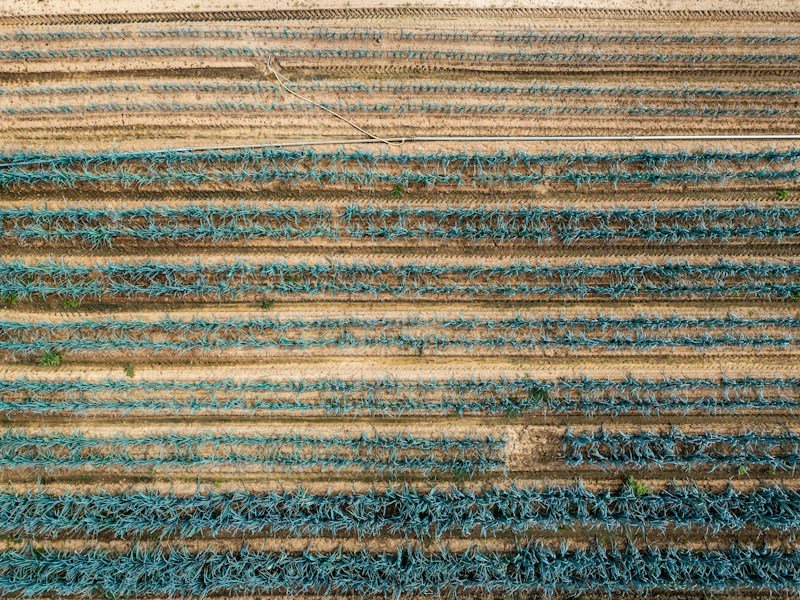
On a well-managed 40-acre organic Roma block, a bad blossom end rot year means 8 to 12 percent of the first two trusses are downgraded at the packing shed. Under heat stress, elevated soluble salts, or a broken drip line, that figure can exceed 25 percent. On large-fruited heirlooms and processing varieties the loss is often worse, because the fruit reaches full size before the defect is visible from the row. At a wholesale price of $18 to $24 per 25-pound carton, a 12 percent loss on a 1,200-carton-per-acre crop is real money, and it is money that can be recovered with a system rather than a single product off a shelf. Reusing Plastic Bottles for Balcony Garden: A B2B Guide for Commercial Growers and Retailers
This is the part that separates commercial growers from home gardeners. Organically fixing tomato blossom end rot is not about finding a stronger calcium product. It is about controlling the four variables that govern calcium delivery to the fruit: root-zone moisture stability, root health and soil structure, cation competition, and the form and rate of nitrogen feeding the plant. Everything else, including every OMRI-listed input you buy, is a supporting actor playing to that script.
What follows is the working standard operating procedure used with organic field, high tunnel, and greenhouse tomato operations. It covers how to confirm the diagnosis, how to correct soil and irrigation systems, which certified inputs earn their place in the program, and how to measure whether the fix actually worked. If you are sourcing inputs for a commercial operation, the comparison table and procurement checklist later in this article will help you avoid the most expensive mistake in this category: paying premium prices for calcium that never reaches the fruit.
Blossom end rot (BER) is a non-infectious physiological disorder of tomato fruit caused by a localized calcium deficiency inside the developing fruit. It is not caused by a pathogen, it does not spread from plant to plant, and it appears as a water-soaked spot at the blossom end that enlarges into a sunken, leathery, tan-to-black lesion, typically on the first trusses during rapid fruit expansion. Affected fruit is unmarketable and should be removed.
The critical agronomic point for anyone building a fertility program is this: a plant can have adequate, or even high, soil calcium and still develop blossom end rot. Calcium moves through the plant almost entirely in the transpiration stream through the xylem, and once deposited in tissue it is immobile. Tomato fruit transpire very little compared to leaves because they have few functional stomata. Under rapid growth, high humidity, heat stress, or fluctuating moisture, the leaves win the competition for calcium and the blossom end of the fruit loses. Soil test calcium can read perfectly adequate while fruit calcium is deficient enough to collapse tissue.
No fungicide, bactericide, or biological product will fix blossom end rot, and any supplier who suggests otherwise is selling into a misunderstanding. Secondary soft-rot organisms such as Alternaria or opportunistic bacteria often colonize the lesion afterward, which is why growers sometimes mistake the disorder for a fruit rot problem. Treat the cause, not the symptom sitting on the skin. Vertical Strawberry Tower Build Video: A Commercial Buyer's Guide to Hydroponic Tower Systems
Note that true soil calcium deficiency is only one of the four causes and is usually the least common on ground that has been farmed organically for several seasons with regular compost applications. Diagnose before you buy.
Sequence matters more than product choice. Applying a foliar calcium spray before you have stabilized irrigation is like painting a wall before you have fixed the leak behind it. Work the steps in order.
Before spending a dollar, walk the field with a clipboard and score fruit on the first three trusses across representative zones. Record the percentage of affected fruit per zone, plus irrigation line pressure, soil moisture at six and twelve inches, and recent weather. The pattern tells you the cause. Damage concentrated at the head of the field near a pressure break points to moisture. Damage concentrated in low, poorly drained pockets points to root anoxia. Uniform damage across a high-K greenhouse crop points to cation competition. This one-hour exercise routinely saves two weeks of wasted inputs, and it gives you the baseline numbers you will need to prove the fix worked at the end of the season.
Moisture consistency is the single highest-leverage correction available to an organic grower. Target a root zone held between 60 and 80 percent of field capacity, and never let it swing outside that band during fruit swell. Practical tactics that hold up commercially: convert furrow-irrigated blocks to drip with two emitters per plant on a twice-daily short-cycle schedule rather than one long set; install tensiometers or capacitance probes at six and twelve inches and log them; maintain a two-to-three-inch straw or compost mulch to buffer evaporation; and avoid overhead irrigation during fruit set, which also drives foliar disease. On sandy ground, split the daily water into three smaller pulses. On heavy clay, the opposite: longer, less frequent sets to push roots deeper. This step alone resolves the majority of field cases within seven to ten days.
Pull a composite soil test plus a saturated paste extract, and read base saturation rather than raw parts per million. The working targets are pH 6.2 to 6.8 for mineral soils, calcium base saturation between 65 and 75 percent, potassium base saturation of 4 to 6 percent, and magnesium at 10 to 15 percent. On acidic ground below pH 6.5, calcitic lime applied in the fall and incorporated at four to six inches is the most cost-effective calcium investment you can make, and it is fully compliant with organic certification. On high-pH or calcareous ground where lime would push you into micronutrient lockout, use gypsum or wollastonite instead, since neither raises pH. Do not over-apply potassium in a block that is showing blossom end rot. If your potassium base saturation is above 7 percent, hold the K and address the ratio before adding anything else.
This is where a correction becomes a rescue. Slow-release minerals feed the soil; soluble inputs feed the fruit. For drip-irrigated blocks, fertigate an OMRI-listed soluble calcium complex weekly from first truss set through the third truss, splitting it into two lighter applications rather than one heavy one. For greenhouse and high tunnel production, a foliar program of soluble calcium plus Ascophyllum nodosum kelp extract applied in early morning with a spreader-sticker gives measurably better results than calcium alone, because the kelp supports root function and stress tolerance while the calcium loads the fruit. Never tank-mix calcium with phosphate or sulfate fertilizers; the result is insoluble precipitate in your tank and a clogged drip line. Run a jar test before any new combination, and keep your solution EC in check. How to Stake Heavy Balcony Vegetables: Commercial Guide for Urban Growers
Reduce total nitrogen by 20 to 30 percent on blocks with active blossom end rot, and shift the source away from ammonium-heavy materials toward balanced organic sources. Ammonium nitrogen antagonizes calcium uptake directly, and it also drives the rapid vegetative push that creates the demand spike the fruit cannot meet. In greenhouse systems, split nitrogen into smaller, more frequent fertigation events and cap the electrical conductivity of the feed solution. Then hold the program steady through the third truss. Growers who correct moisture and calcium but leave an aggressive nitrogen program in place typically see the disorder reappear on the fourth and fifth trusses, right when fruit load peaks.
| Input | Typical Calcium Content | Primary Application | Best Timing | Best-Fit Scenario | Approx. Cost (2025, U.S.) |
|---|---|---|---|---|---|
| Calcitic (high-calcium) lime | 34-40% Ca | Broadcast and incorporated | 3-6 months pre-plant | Mineral soils with pH below 6.5 and low calcium base saturation | $60-$120 per ton |
| Gypsum (calcium sulfate dihydrate) | 22-23% Ca, 17-18% S | Broadcast or banded, soil applied | Pre-plant plus early sidedress | High-pH, calcareous, or sodic soils where lime would push pH too high | $180-$260 per ton |
| Wollastonite (calcium silicate) | 32-34% Ca, 22-24% Si | Broadcast and incorporated | Pre-plant, full-season release | Long-season fields that also benefit from silicon for pest and stress tolerance | $250-$400 per ton |
| Bone meal (steamed, finely ground) | 20-24% Ca, 3-4% P | Granular soil application, banded | Pre-plant near the root zone | Blocks needing slow-release calcium alongside phosphorus | $400-$650 per ton |
| Soluble OMRI-listed calcium complex (lignosulfonate or carbonate based) | 6-12% Ca | Drip fertigation or foliar spray | Weekly from first truss set through third truss | Drip-irrigated field, high tunnel, and greenhouse production | $40-$95 per gallon |
| Kelp (Ascophyllum nodosum) plus calcium blend | 1-4% Ca | Foliar, occasionally fertigation | Transplant through early fruit set | Heat-prone and high-humidity sites needing root and stress support | $55-$120 per gallon |
| Calcium chloride foliar (confirm certifier approval) | 27% Ca as dihydrate | Foliar only, with spreader-sticker | At first sign of fruit swell, on a 7-day interval | Emergency correction on fruit that is already sizing | $25-$50 per gallon |
A Fresno County grower running 40 acres of organic Roma on furrow irrigation was losing 22 percent of first-truss fruit to blossom end rot across two consecutive seasons. Soil tests showed pH 7.9 with free lime, organic matter at 1.4 percent, and calcium base saturation of 68 percent, which is adequate on paper. The problem was not calcium in the soil. It was delivery. Furrow sets were running 9 to 11 hours every 10 to 14 days, producing exactly the wet-dry swing that shuts down calcium uptake at the root tip.
The correction program was threefold: install dual-line drip at a 22 gallon-per-acre-per-day summer rate split into two sets; apply gypsum at 1 ton per acre pre-plant to feed calcium without touching pH; and fertigate an OMRI-listed soluble calcium weekly from first truss set through the third truss, with a kelp-plus-calcium foliar on a seven-day interval during the two hottest weeks. Blossom end rot dropped from 22 percent to 3.5 percent over two seasons, and marketable yield rose 18 percent on the same acreage. Input cost for the calcium program was $94 per acre in year one, falling to $61 per acre in year two once soil calcium reserves had rebuilt.
A greenhouse operation producing heirloom slicers in a soilless mix was throwing away 31 percent of its first harvest group. Tissue analysis showed fruit calcium at 0.08 percent dry weight. The root cause was cation competition: the fertigation program was delivering potassium at nearly double the recommended rate for the growth stage, plus a magnesium supplement, in a low-transpiration environment with humidity often above 80 percent. Cheap Pest Control for Potted Plants: A B2B Buyer's Guide to Cost-Effective Nursery and Greenhouse Programs
The fix was chemical rather than purely cultural. Potassium was cut by 40 percent during the fruit swell window, magnesium was moved to a separate application day, and an OMRI-listed lignosulfonate calcium complex was fertigated at every other irrigation through the third truss, with dehumidification raised to keep the greenhouse below 75 percent relative humidity during the day. Blossom end rot fell below 5 percent within three weeks and stayed there for the remainder of the season. The grower recovered an estimated 1,900 marketable pounds of heirloom fruit on 2.5 acres, which at direct-to-restaurant pricing covered the entire facility upgrade.
A cooperative of twelve certified organic vegetable farms totaling roughly 300 tomato acres was buying soluble calcium in 2.5-gallon jugs at retail, averaging $86 per acre per season. After consolidating into a single annual bid and requiring lot analysis plus current OMRI certification documentation from suppliers, per-acre calcium cost dropped to $41 while the program intensity actually increased. Two member farms that had been applying product with no measurement were added to a tissue-sampling protocol, and one discovered that its real constraint was compaction rather than calcium, saving the entire input budget for that block and spending it on a subsoiling pass instead.
Rescue programs are expensive. Prevention is almost free by comparison, and it starts the season before the one you are worried about.
When you are specifying calcium amendments for an organic operation, price per gallon is a misleading metric. Price per pound of actual, plant-available calcium delivered to the fruit is the number that matters, and it requires reading the label closely. A few requirements worth building into every purchase order:
On volume, most commercial operations cross the threshold where direct-to-supplier contracting beats distribution pricing somewhere between 50 and 100 acres of tomatoes. Below that, consolidating with neighboring operations into a single seasonal bid is usually the fastest path to a 30 to 50 percent cost reduction, as the cooperative case study above demonstrates. Pruning Potted Fruit Trees Step by Step: A Commercial Grower's Five-Pass Method
When blossom end rot appears on the first trusses, the worst response is a product-only scramble. Use a short triage calendar to separate diagnosis from intervention. Day 0: score affected fruit by zone and truss, photograph symptoms, and note irrigation pressure and recent weather. Day 1: audit emitters for plugging, pressure variation, and dry pockets; check soil moisture at two depths. Day 2: pull soil and irrigation-water samples before applying anything, and review the last four weeks of fertility and compost records. Day 3: correct obvious moisture instability with scheduling, emitter repair, or mulch, and remove affected fruit. Day 7: re-score new fruit set and confirm that the root zone is holding moisture within your target band. Day 14: decide whether the pattern points to cations, nitrogen form or rate, root damage, or climate, and adjust only the factor the evidence supports. This calendar is not a substitute for lab results; it prevents you from spending two weeks treating a calcium product when the real issue is a pressure break or an ammonium-heavy fertigation program.
Most BER products are evaluated on the wrong evidence: a grower applies a product after a bad week, sees cleaner fruit later, and credits the product. Weather, fruit load, and irrigation also changed. A simple strip trial gives you defensible answers without a research station. Select one cultivar and planting date, divide a representative block into paired strips with the same irrigation and fertility program, and alternate treated and untreated strips across the field. Score the first three trusses on a fixed number of plants per strip at the same fruit stage, then score the next two trusses after treatment. Keep all other inputs identical, including pruning and harvest timing. Record costs and application labor. At the end, compare the percentage of affected fruit and the cartons downgraded, not just visual symptom counts. If the treated strips do not separate from the untreated strips across more than one planting or season, the product has not earned a place in your program. This is especially important for calcium products, because the fruit’s ability to receive calcium depends more on water movement and cation balance than on the label’s calcium concentration.
Moisture stability is not the same as continuous wetness. In fine-textured organic ground and in high tunnels, over-irrigation can create saturated pockets where roots lack oxygen, reducing calcium uptake even though the soil is wet. The symptom pattern often shows up in low spots, headlands, or beds with compacted wheel traffic. Fix drainage and compaction before increasing calcium: open drainage channels, avoid traffic on wet beds, use permanent beds with controlled traffic, and consider deep tillage only where a compacted layer is confirmed. Mulch helps buffer both dry-down and splashing, but a thick mulch over saturated soil can slow drying and worsen anoxia. Use mulch with irrigation monitoring, not instead of it. In high tunnels, manage venting and airflow so transpiration is steady rather than extreme; very high humidity and very low humidity can both disrupt calcium delivery.
Organic nitrogen sources vary widely in how quickly they release ammonium and nitrate. Manure-based composts, feather meal, blood meal, and some liquid organic fertilizers can push rapid vegetative growth and ammonium load, especially when applied close to fruit swell. Ammonium competes with calcium uptake, and excessive nitrogen drives fruit expansion faster than calcium delivery. Review nitrogen rate, timing, and source before adding calcium. If your program is front-loaded with high-availability nitrogen, shift toward a steadier release pattern and avoid large soluble nitrogen applications during the first fruit swell. Do not crash the crop’s nitrogen supply; tomatoes need nitrogen for yield. The goal is to match nitrogen supply to fruit load and avoid ammonium-heavy spikes. Use soil and tissue tests, crop stage, and your certifier’s allowed-materials list to guide changes.
Irrigation water can deliver sodium, bicarbonate, and other salts that affect calcium availability and root health. A water test is especially useful on drip systems, high tunnels, and wells with rising EC. Test before the season and again if you see salt accumulation, white residues, or declining vigor. Interpret results with your lab and extension support, then adjust irrigation scheduling, leaching, or fertilizer selection. Do not assume that a calcium product will overcome poor water quality. In drip systems, also check emitter uniformity and pressure; a blocked emitter creates a dry root zone that mimics drought and triggers BER on the affected plants. Water quality and system uniformity are part of the calcium delivery system, not a separate topic.
Affected fruit will not recover. Remove it, record it, and shift attention to the next truss. Avoid overcorrecting with heavy calcium or potassium applications after an outbreak; that can worsen cation imbalance. Instead, confirm that moisture is stable, roots are healthy, and nitrogen is not spiking. Then watch new fruit set over the next two to three trusses. If new fruit continues to show BER, the cause is still active. If new fruit is clean, the correction is working, but keep records until harvest because later heat or irrigation failures can bring it back. Recovery is measured on new fruit, not on the lesions you already have.
| Corrective action | Primary constraint addressed | Typical planning horizon | How to verify | Procurement or management caution |
|---|---|---|---|---|
| Irrigation scheduling audit and emitter repair | Moisture swings and non-uniform delivery | Immediate to several days | Log pressure, emitter flow, and soil moisture at two depths; re-score new fruit | Fix the system before buying calcium products; avoid one long irrigation set |
| Mulch with moisture monitoring | Evaporation and moisture buffering | Days to weeks | Soil moisture stability and fruit scores on new trusses | Thick mulch over saturated soil can worsen anoxia |
| Drainage and compaction correction | Root aeration and root surface area | Weeks to months | Visual drainage, digging or penetrometer checks, root health, new fruit scores | Do not deep-till wet soil; correct traffic patterns first |
| Soil cation balancing based on lab tests | Potassium, magnesium, sodium, or ammonium competition | Weeks to months | Soil test trends plus fruit scores; tissue tests if available | Avoid adding every cation; interpret with lab and extension support |
| Nitrogen source, rate, and timing review | Ammonium load and excess vegetative growth | Weeks | Fertility records, crop stage, new fruit scores | Do not eliminate nitrogen; avoid soluble spikes during fruit swell |
| Foliar calcium supplement | Supplemental calcium delivery only | Days | Paired strip trial, coverage checks, new fruit scores | Check certifier allowance and label; jar test tank mixes |
| Gypsum or limestone | Soil calcium supply and pH or soil structure | Months | Soil test response; not a rescue treatment | Particle size and water movement matter; avoid panic overapplication |
| Compost or microbial products for root health | Root health and soil structure | Weeks to months | Root observations, soil structure, paired strip trial | No direct cure for BER; judge on root-zone evidence |
No new verifiable numeric statistics were added. Use current-season block-level fruit-loss scoring, lab soil and water tests, and irrigation logs as the dataset; replace any generic loss percentages with your own scouting records.
