Stop Guessing. Start Harvesting.
A working guide to overwintering pepper plants in pots for commercial growers, nurseries, and garden-center buyers, with temperature bands, substrate specs, sanitation protocols, and per-plant cost data from three real programs.
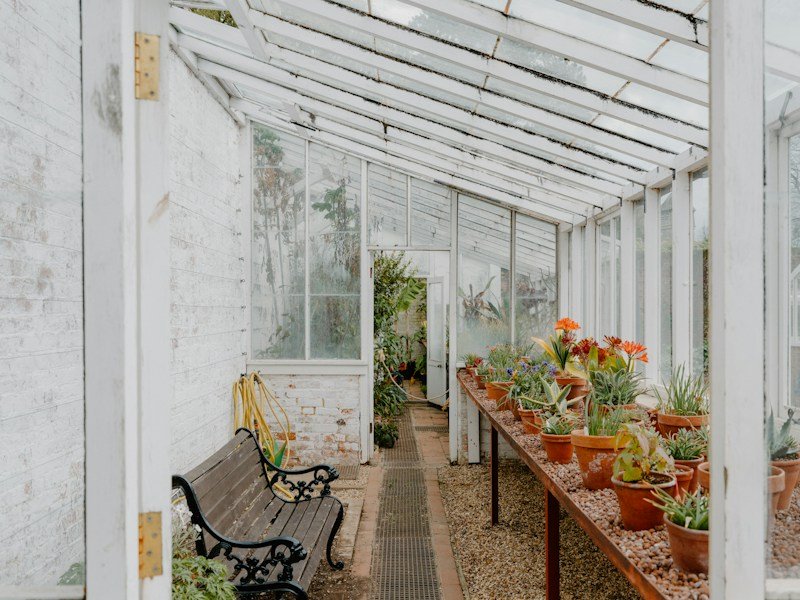
A 4,800-square-foot greenhouse in central Pennsylvania does not look busy in January. The benches are half empty, the vents are shut, and the only visible activity is a slow drip cycle running twice a week. That quiet is deliberate. The operation is overwintering pepper plants in pots, holding 1,200 stock plants across three proprietary Capsicum chinense lines so it does not have to buy that genetics back at brokered spring prices. Last season the program finished at a 94% survival rate and cut the operation’s transplant procurement spend by $2,140.
That is the commercial reality of overwintering pepper plants in pots. It is not a windowsill trick for hobbyists. It is a controlled-environment logistics problem: keep live, pest-free, genetically verified plant material alive for 90 to 150 days at the lowest defensible cost per plant, then deliver it back into production on a date you selected months in advance. Miss the root-zone temperature band by five degrees and you either burn heat you did not need or lose a cultivar you cannot replace before April. How to Grow Serrano Peppers in Pots: A Commercial Grower's Production Guide
This guide covers the decision framework, the five-step operating procedure we use across three climate zones, and the actual numbers so you can budget an overwintering block before you commit bench space to it.
Overwintering pepper plants in pots is the practice of keeping container-grown Capsicum plants alive through the cold season by slowing their metabolism to near-dormancy, protecting the root zone from freezing, and reducing irrigation and fertility to match lowered transpiration. Plants are cut back, held at 45 to 65 degrees Fahrenheit depending on the method, and forced back into active growth in late winter for spring sales or field transplant.
Peppers are perennial subshrubs in their native ranges, not annuals. In USDA Zones 9b through 11 they survive outdoors year-round with minimal intervention. North of that line, you are engineering the environment, and container production makes the job harder because a root ball in a 3- or 5-gallon pot has a small fraction of the thermal mass of field soil. A 20-degree night that would be a non-event in a field will freeze a potted root ball solid if it is sitting on an unheated bench.
The upside is control. Overwintering in containers lets a grower isolate genetics, hold breeder stock, carry a proven cultivar into a second and third fruiting season, and sell larger, earlier-fruiting plants than anything a spring broker can deliver at the same price point. A plant that enters spring with an established root system and a pencil-thick stem will set fruit three to five weeks ahead of a fresh transplant, which matters to any retailer selling plants with green fruit already on the stem.
Capsicum annuum lines such as jalapeno, bell, and poblano are the most forgiving. They tolerate a 45 to 50 degree root zone and recover from hard cutback in roughly ten days. Capsicum chinense types, including habanero and Scotch bonnet, are slower and less tolerant; hold them at 55 degrees or above and expect two to three weeks to break dormancy. Capsicum baccatum and most Capsicum pubescens stock carry long-season genetics and generally need the heated-house treatment to justify the bench space. If you are running a mixed block, segregate by species so you are not holding annuum stock at chinense temperatures for 120 days.
One more planning note: strip all remaining fruit before the first frost. A plant carrying a heavy load will not shut down cleanly, and fruit left on the stem during overwintering is a reliable entry point for Botrytis. Growing Habanero Peppers in Containers: A Commercial Grower's Guide
Start two to three weeks ahead of your average first frost date, not the night before. Grade every candidate plant against three criteria: fruit type confirmed true-to-type for the season, no visible mite or thrips scarring on new growth, and a stem caliper that will survive a hard cutback. Cull aggressively. Any plant showing broad mite distortion, persistent aphid populations after two cleanings, or root-knot galling at the pot wall should be destroyed, not overwintered. Carrying one infested plant through winter means carrying it through a closed, low-airflow house where it will seed the entire block by February.
Move retained plants into clean, sanitized containers sized to the species. A 3-gallon pot fits most annuum stock; chinense and baccatum lines want a 5-gallon to carry the larger root mass through winter. Do not overwinter in the production pot the plant finished the season in, because that media is exhausted and compacted.
Use a free-draining, soilless mix along the lines of 60% peat or coir, 25% perlite, and 15% composted bark, with a starter charge low in nitrogen. High residual nitrogen in autumn pushes soft growth that will not harden off and will collapse in the first cold week. Verify the pot drains in under three seconds when watered; overwintering irrigation is infrequent, and water that sits in the bottom third of the pot is the single most common cause of root rot in storage.
Cut the canopy back to 6 to 10 inches, leaving two to four strong nodes and at least three leaves on each plant if you can. Plants cut to bare stubs survive but break dormancy later. Trim no more than 20 to 25% of the root mass and tease out the outer mat of circling roots before repotting.
Immediately after potting, apply a labeled drench for root and stem pathogens and follow with a labeled insecticide or biological for aphid and fungus gnat larvae. Then hold the block in a 60 to 65 degree space for five to seven days to let the repotting wounds callus before dropping temperatures into the overwintering band. Moving freshly cut plants straight into a 48 degree house is how growers get stem cankers at the cut surface. Micro Gardening Techniques for Backyards: A B2B Guide for Growers, Retailers, and Landscape Pros
This is where programs succeed or fail quietly, because problems surface weeks later. Work to these bands: air temperature 45 to 60 degrees, root zone never below 40 degrees and never frozen, relative humidity 50 to 65%, and continuous air movement at low speed. Keep plants off cold concrete; a bench or a foam underlay adds several degrees of protection on the coldest nights and costs almost nothing.
Light matters less than most growers assume, but it is not zero. Four to six hours of weak natural light is adequate for dormancy maintenance. If the house has no light at all, expect etiolated growth that snaps at the node when you move plants back into production.
Irrigate on a moisture basis, not a calendar. In a 50 degree house, a 5-gallon pot may need water every 12 to 18 days. Water early in the day, water the pot and not the foliage, and let the surface dry between cycles. Skip nitrogen entirely until you begin pushing the block in late winter; a light potassium and phosphorus maintenance feed every six weeks is enough to hold the root system.
Count back from your target ship or transplant date. Begin waking the block six to eight weeks ahead of it. Raise air temperature to 68 to 72 degrees over five days, extend photoperiod toward 14 to 16 hours, and start a balanced liquid feed at quarter strength, stepping up every ten days. Scout twice weekly during this window, because aphid and thrips pressure spikes the moment plants resume active growth in a warm, dense canopy.
By week three you should see two to three inches of new growth and a visible color shift. If a plant has not moved by week four, cull it rather than bench it; late movers almost never catch up to the rest of the block and they occupy the most expensive square footage in the building.
This operation holds plants on heated benches at 58 degrees nights and 62 degrees days inside a poly house with a redundant 90,000 BTU heater. Total winter hold ran 128 days. Survival came in at 94%, with losses concentrated in two varieties that had been cut back hard in September rather than late October. Direct cost per plant, including heat, media, drenches, and bench labor, came to $0.61. Comparable brokered transplants at the same caliper were quoted at $2.05 per plant in January. Net avoidance on 1,200 plants: roughly $1,730 before accounting for the three-week earliness advantage at retail. Overwintering Chili Pepper Plants Video: A Commercial Grower's Guide to Multi-Season Yields
This retailer overwinters in an unheated high tunnel with frost blanket backup, holding root zones at 44 to 52 degrees through a mild winter. The first attempt lost 41% of the block, almost entirely in a single 22-degree night where pots sat directly on gravel. After adding 2-inch foam underlay and a low-tunnel layer, loss dropped to 12% the following season. Total program cost was $0.38 per plant; spring retail on a fruited 5-gallon plant averaged $19.95 against a $6.75 landed cost, so the loss rate was tolerable and the program expanded to 600 plants the next year.
At 6,000 plants the arithmetic changes from labor to energy. This nursery compared a heated bench build-out against a converted insulated barn at 42 degrees with LED supplement. The barn won: energy cost fell from $1,610 per 1,000 plants to $390, but survival dropped from 97% to 84% and labor hours per 1,000 rose from 95 to 145 in the wake of increased scouting and re-selection. Blended, the barn still saved about $0.44 per surviving plant, which on 6,000 plants funds a full-time seasonal worker. The lesson is that at volume, the cheapest acceptable environment usually beats the ideal one.
| Method | Typical Survival Rate | Root-Zone Band | Labor (hrs / 1,000) | Energy Cost / 1,000 | Best Fit |
|---|---|---|---|---|---|
| Heated greenhouse bench | 96-99% | 58-62 F | 85-110 | $640-$980 | High-value chinense genetics and pre-fruited spring retail |
| Unheated high tunnel with frost blanket | 88-94% | 40-52 F | 55-75 | $180-$320 | Annuum lines in mild or Zone 7-8 markets |
| Insulated barn hold with LED supplement | 82-88% | 40-48 F | 120-150 | $260-$410 | Volume programs where energy outweighs labor |
| Climate-controlled grow room | 92-97% | 65-68 F | 120-150 | $1,450-$2,100 | Year-round propagation and indexed clean stock |
| Sheltered outdoor stack, Zones 8b-10b | 65-78% | Ambient | 25-35 | $0-$60 | Regional garden centers and low-risk cultivars |
Whether you are building the block yourself or specifying materials for a team, settle these items before purchase orders go out:
Run one season as a pilot block of 250 to 500 plants, record survival, labor minutes per pot, and kilowatt use, and you will have a defensible cost model for scaling before the next winter closes in. Raised Beds vs Pots for Small Backyards: A Complete Buyer and Grower Guide