Stop Guessing. Start Harvesting.
Stop Guessing. Start Harvesting.
A working guide for garden center buyers, DTC merchandisers, and multi-family operators on the renter friendly balcony vegetable garden: what qualifies as renter-safe, how to choose and maintain the right container system, and what the unit economics look like in real programs.
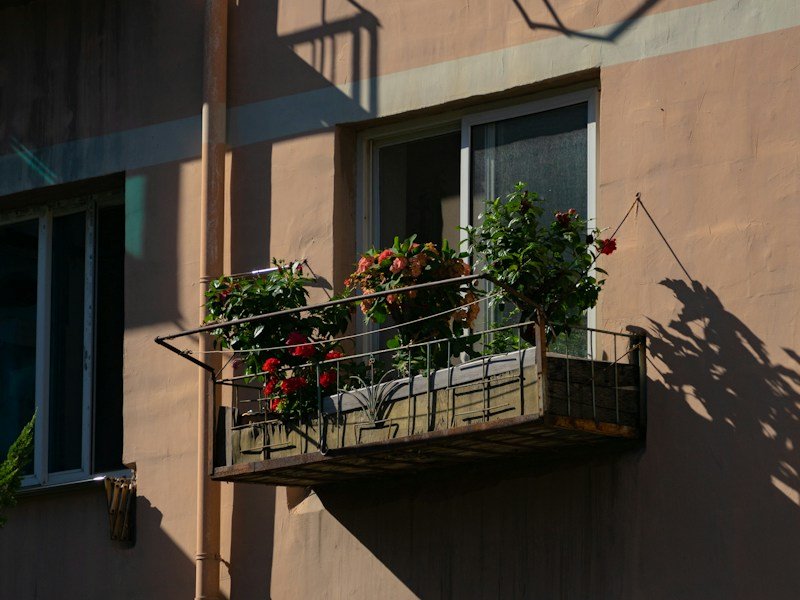
About a third of U.S. households rent, and a large share of them have exactly one outdoor surface to work with: a balcony. That is where the renter friendly balcony vegetable garden stopped being a seasonal novelty and became a legitimate retail and property-management category. The demand signal is straightforward — renters want fresh food, they have 20 to 60 square feet of concrete, and they cannot drill, anchor, or permanently modify anything they do not own.
The supply side has been slower to catch up. Most garden center assortments still assume a yard, a hose bib, and a homeowner with a shed to store things in. Most apartment operators still treat the balcony as a liability line item rather than an amenity they can price into retention. And most e-commerce listings bury the two facts a renter actually needs before hitting add-to-cart: how much the planted container weighs, and whether it comes off the railing without leaving a mark. Learn Balcony Gardening Online: The B2B Buyer's Guide to Digital Horticulture Training
This guide is written for the people who buy, spec, and stock this category — garden center purchasing managers, DTC merchandisers, landscape contractors adding a container program, and multi-family operators building a resident amenity. It covers what qualifies as renter-friendly, how to select and maintain the right system, what the numbers look like across three real programs, and where the traps are.
A renter friendly balcony vegetable garden is a portable, self-contained food-growing system installed on leased outdoor space that can be fully removed at move-out without structural attachment, permanent modification, or landlord approval of an alteration. It is defined by four tests, not by a product category.
Notice what is not on that list: raised beds. A four-by-eight cedar bed is the default mental image when people hear the words vegetable garden, and it is the single most common mistake in a rental. It is heavy, it is not movable, and it assumes a footprint most balconies simply do not have. The renter-friendly version of the same yield comes from five to eight containers a resident can carry out two at a time.
For buyers, that distinction is commercial, not philosophical. “Portable container garden” is a spec sheet you can ship parcel, stack on a retail shelf, and photograph for a product page. “Raised bed” is a category you cannot ship, cannot merchandize in a 4-foot endcap, and cannot sell to the third of the market that rents.
Whether you are advising one resident, stocking one SKU, or spec’ing a building-wide program, the sequence is the same. Work through these five steps in order. Skipping step one is what produces dead plants, service calls, and returns.
Sun is the binding constraint, and it is not negotiable with good intentions. Fruiting crops — tomatoes, peppers, cucumbers, squash, bush beans — need six to eight hours of direct sun. Leafy greens, herbs, radishes, and scallions will produce on four to five hours. A north-facing balcony that never sees direct sun in summer is not a vegetable garden; it is a microgreens and lettuce tray setup, and telling a customer otherwise guarantees disappointment.
Direction matters as much as duration. South and southwest exposures in most U.S. climate zones run hot and dry, which means larger volumes, more frequent watering, and afternoon shade for lettuce in July. East exposures are gentle and ideal for greens. West-facing balconies in the South and Southwest can hit 110°F surface temperatures on the slab by late afternoon — containers should be raised an inch off the concrete so roots are not cooked from below.
Two other site factors get ignored and should not be. First, wind: above the fourth or fifth floor, or on any corner unit, sustained 20 mph gusts are normal, and a tall vertical planter with a full canopy acts as a sail. Second, water access: the distance from the nearest sink or hose bib determines whether you recommend a two-gallon watering can, a faucet-to-hose adapter, or a self-watering reservoir. Many balconies have no exterior outlet at all, which rules out timed drip irrigation — a spec constraint that buyers routinely overlook. How to Start a Vegetable Garden With No Money: A Field-Tested 5-Step Plan for Growers and Programs
Then audit the lease. Read for three clauses specifically: prohibitions on items hanging over or attached to the railing, language about balconies being kept neat and free of debris, and HOA architectural rules governing visible containers. Fire codes in some jurisdictions restrict storage on egress paths. None of these are dealbreakers, but all of them should shape what you recommend or stock.
Root depth and mature plant size drive volume, and volume drives everything else — weight, cost, watering frequency, and yield. Use these as working minimums per plant:
System choice then follows. Fabric grow bags breathe well, air-prune roots, and cost the least per gallon, but they wick moisture through the walls and need a tray underneath. Self-watering planters solve the number-one failure mode — a missed watering — at the cost of added weight when the reservoir is full. Railing-mounted planters reclaim floor space but concentrate load on a single bracket and frequently run into no-items-on-the-railing lease language, so verify before recommending them. Vertical pocket towers are the highest-density option per square foot, and also the most likely to tip in wind unless the base is ballasted.
Do not use garden soil in containers. It compacts, drains poorly, and weighs roughly 100 pounds per cubic foot versus about 40 pounds for a peat- or coir-based soilless mix. That weight difference alone determines whether a renter can legally and practically use a given planter. A reliable working blend is one-third coco coir or peat, one-third finished compost, one-third perlite, plus a slow-release organic fertilizer blended in at planting.
Watering is where container gardens differ most from ground beds. Containers dry out two to four times faster, and a 10-gallon tomato plant can drink one to two gallons per week in a Midwestern or Mid-Atlantic July. Practical options, in order of effort: a two-gallon watering can (cheapest, most labor), a faucet-to-hose adapter if the kitchen or bathroom sink is within about 25 feet, a self-watering reservoir (best for frequent travelers), and battery-timed drip where an exterior outlet exists. Topping each container with one inch of straw or coco-chip mulch cuts evaporation by 20 to 30 percent for a few dollars of input — the highest-return recommendation in this entire guide.
Feeding matters because containers leach. Start a liquid organic feed at half strength around week three and continue every two weeks through fruiting. Skipping this is why so many renter gardens look great in June and stall in July.
A single planting date leaves a balcony empty for half the season. A succession plan keeps it producing from April through October in most U.S. zones: Growing Grapes in Small Backyard Pots: A Commercial Guide for Urban Viticulture
Staggering a two-square-foot section every two to three weeks smooths supply and hides failures. A well-managed 20-square-foot balcony — six to eight containers — will realistically produce 25 to 40 pounds of vegetables across a season, which is a credible number to publish and defend.
Balconies are wind-protected, warm, and isolated, which is a good environment for peppers and a great one for aphids, spider mites, and whitefly. Build a simple rhythm and put it on paper for customers and residents.
Weekly: check moisture by weight (lift the container), scout leaf undersides for pests, rotate each container a quarter turn so stems grow straight, and strip spent leaves. Monthly: feed, inspect brackets and ties, clear drain holes, and confirm saucers are seated. End of season: do not reuse media for the same crop family without refreshing at least half of it, and store empty containers and trays indoors or under cover — winter wind damage to lightweight planters is a recurring and avoidable claim.
For property managers, that fall walkthrough is worth scheduling as a formal event. A 30-minute resident check-in that stores containers and confirms trays reduces spring turnover work and prevents the water-drip complaints that kill amenity programs in year one.
| Container System | Typical Footprint | Loaded Weight | Wholesale Unit Cost (USD) | Best Crops | Suggested Retail | Lease / Freight Risk |
|---|---|---|---|---|---|---|
| Fabric grow bag, 7-15 gal | 1.5-2 sq ft | 35-90 lb | $2.50-$7.00 | Tomatoes, peppers, bush beans | $9-$24 | Low; ships flat, no railing contact |
| Self-watering rectangular planter, 24 in | 2 sq ft | 45-70 lb | $9-$18 | Lettuce, herbs, chard | $29-$59 | Low; reservoir holds runoff |
| Railing / hanging planter with clamp bracket | 0 sq ft floor space | 15-25 lb | $6-$14 | Herbs, strawberries, chard | $24-$49 | Medium; clamp marks, may breach railing clause |
| Vertical fabric pocket tower, 5 ft | 2 sq ft, 5 ft tall | 60-110 lb | $12-$28 | Greens, herbs, radishes | $39-$89 | Medium; tips in wind without ballast |
| Modular tiered plastic tower | 3 sq ft | 80-140 lb | $22-$45 | Lettuce, herbs, compact peppers | $69-$149 | Medium; bulky to ship parcel |
| Balcony hydroponic kit, 4-8 pod | 2 sq ft | 20-30 lb plus water | $35-$70 | Herbs, lettuce, compact cherry tomato | $99-$199 | Low; requires outlet and app setup |
A single-store garden center outside Chicago added a 12-foot “Balcony & Patio Grow” endcap in March. The lead kit retailed at $89 and contained two 10-gallon fabric grow bags, one 24-inch self-watering planter, a bag of organic starter fertilizer, six seed packets, and a laminated crop calendar. Landed cost after freight ran about $35 per kit, leaving a healthy margin.
Sell-through hit 140 kits in ten weeks. Attach rate was strong: 46 percent of kit buyers added at least one extra planter, and 22 percent added a watering can. The correction came from the self-watering planter line. The store over-ordered 15-gallon self-watering units, and once staff explained that the planted unit weighed more than 100 pounds, conversion collapsed on that SKU. Switching to 7-gallon versions the following season roughly doubled sell-through on the same shelf space. The lesson is not subtle: once a renter hears a weight number that sounds heavy, the sale is over unless a lighter option is on the shelf next to it.
A Denver property manager was running a 62 percent renewal rate against a portfolio average of 68 percent. The team piloted a 40-unit “Balcony Harvest” program: a free starter kit delivered to each participating unit at about $52 in cost, a 45-minute Saturday workshop, and a resident channel for sharing harvests and swapping seedlings. Total program cost was roughly $2,080 in kits plus 12 staff hours.
Of the 40 participants, 34 renewed — 85 percent, against the 62 percent building baseline. The manager attributed seven of those renewals to residents she believed were otherwise at risk, which represents approximately $138,000 in retained annual rent against a program cost under $3,000. The pilot was not flawless. Two residents overwatered and dripped onto balconies below in the first month, which generated two noise-adjacent complaints. Round two added saucers to every kit, a one-page watering sheet, and a five-minute balcony setup check at delivery. That single fix eliminated the complaint category entirely. Balcony Tomato Garden for Beginners: Commercial Grower's Guide
A direct-to-consumer seed and supply subscription targeting renters was converting at 1.9 percent on its container-garden category with a 9 percent return rate, almost entirely from customers saying the product was bigger or heavier than expected. The fix required no new products. Every product page gained a weight-and-footprint table, a crop-by-container-size chart, and a short “Will this fit my lease?” section covering railing rules, drainage trays, and load distribution.
Category conversion moved from 1.9 percent to 2.6 percent, and returns dropped from 9 percent to 4 percent. The company also moved all media to ship dry or not at all — a 15-gallon bag of pre-moistened mix is a freight problem, while a compressed coco brick ships parcel at a fraction of the cost and gets the customer to the same place.
Load. Many residential balconies in the U.S. are designed for a live load of 40 pounds per square foot or more, but typical is not a spec for a specific building. Run the math on the actual configuration: a 4-by-6 balcony offers 24 square feet, and a 60-pound planted container occupying about 2 square feet distributes to roughly 30 pounds per square foot — fine. Four 100-pound planters jammed into one corner is where it stops being fine. Recommend spreading weight along the wall line rather than clustering it, and always check with the building engineer for anything above a few hundred pounds total.
Water. Drip complaints are the most common reason balcony garden programs get shut down. Every container needs a saucer or tray sized to its footprint, and containers should sit about an inch off the slab on feet or a grate so the concrete can dry. This also prevents the ring stains that turn into move-out charges.
Lease language. Watch for no-items-over-the-railing clauses, neat-and-clean balcony provisions, and HOA architectural rules on visible containers. None of these prohibit a container garden; they prohibit sloppy execution, and they are easy to design around once you know they exist.
Wind. At 20 mph and above, a five-foot tower planter with a full canopy is a sail. Keep reservoirs filled as ballast on self-watering units, choose low-profile designs for exposed upper floors, and avoid tall vertical systems on corner balconies above the fourth floor. Residents should also confirm what their renter’s insurance covers for personal liability, since a water claim typically runs through that policy rather than the landlord’s.
The renters are already doing this. The category is defined by constraints — light, load, leases, and drainage — and the suppliers, retailers, and property managers who spec against those constraints are the ones who earn the repeat buyer. Small Porch Vegetable Gardening: Grow Fresh Food in Tiny Spaces