
Stop Guessing. Start Harvesting.
A working guide to small space vegetable gardening tips for commercial buyers, landscape contractors, and foodservice operators, built around real installed costs, yield per square foot, and the specification mistakes that quietly drain project budgets.
If you buy, specify, or install horticultural products for a living, you already know that small space vegetable gardening tips have become a commercial deliverable rather than a weekend hobby topic. The questions arrive at the sales counter, on the specification call, and during the punch-list walkthrough — and the people asking are not always homeowners. Multifamily developers want edible plantings in amenity courtyards. Restaurant operators with 400-square-foot patios want herbs and lettuces within arm’s reach of the pass. Parks departments are converting underused right-of-way strips into productive beds. Property managers are fielding weekly requests from renters and townhome owners who expect a real harvest from a balcony.
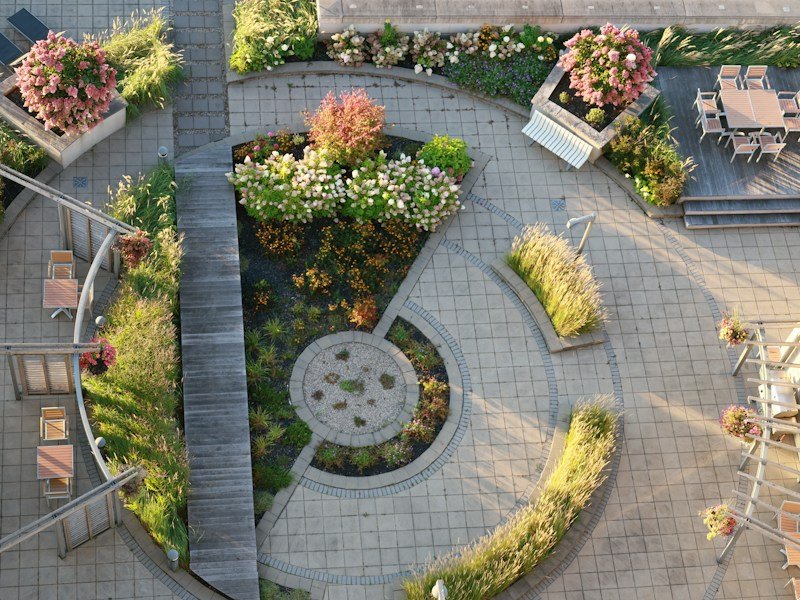
That shift changes what small space means in a procurement context. It is no longer a decorative add-on with a soft cost line. It is a measurable asset with yield expectations, water budgets, labor hours, replacement cycles, and a warranty period. Over the past six years our team has sourced, installed, and audited compact edible growing systems on more than sixty commercial sites — rooftop terraces in Chicago, restaurant patios in Austin, HOA courtyards outside Phoenix, a loading-dock conversion at a food distributor in Portland — and the operational lessons repeat predictably enough to standardize. Organic Vegetable Growing Masterclass: What Commercial Growers Should Demand Before Enrolling a Team
This guide is written for the people signing purchase orders, not for the casual gardener. It covers what actually defines a small-space system, how to specify one in five ordered steps, what yield and cost figures look like across real projects, and where commercial buyers most often lose money on this category.
Small space vegetable gardening is the practice of producing edible crops in a restricted footprint — generally under 100 square feet per installation — using containers, raised beds, vertical systems, or sub-irrigated planters instead of in-ground rows. In a commercial setting, the term describes any edible growing system where footprint, structural load, and irrigation capacity are the binding constraints rather than available acreage.
Four characteristics separate a genuine small-space production system from a decorative planter:
It is worth separating this category from two neighbors that get confused on purchase requisitions. Container gardening is the broader discipline and includes ornamentals and specimen plantings. Urban farming generally implies ground-level or rooftop production at 1,000 square feet or more, often with a commercial sales channel. The overlap is real, but the specification criteria differ sharply, and buying a small-space kit against an urban-farm brief is a reliable way to underdeliver.
The sequence below is the one we use on paid projects. Skipping ahead — usually to Step 2, because that is where the catalog photography lives — is the single most common cause of cost overruns in this category. How to Use Epsom Salt for Potted Tomatoes: A Commercial Grower's Guide
Start with the site survey, not the product sheet. Fruiting crops such as tomatoes, peppers, and cucumbers need six or more hours of direct sun; leafy greens and most culinary herbs perform adequately at four to five hours. Measure light in late morning and mid-afternoon, not once at noon, because a building shadow that arrives at 2 p.m. will halve a tomato yield.
Load is the step that gets skipped and then becomes expensive. A 24-inch-deep raised bed filled with saturated engineered media weighs roughly 100 to 120 pounds per square foot. Many elevated decks and podium roofs are rated at 40 to 60 pounds per square foot live load. If the installation sits above grade, get a structural sign-off before the bed is delivered, and expect to trade depth for width or to switch to shallower, lighter container systems. Also document wind exposure: an eighth-floor balcony corner will shred unstaked determinate tomatoes and dry a fabric grow bag in a single afternoon.
There is no universal best container. There is only the system that fits the footprint, the structural allowance, and — critically — how many labor hours the owner will actually fund after handover. A property manager who budgets thirty minutes a week needs sub-irrigated planters. A restaurant with a committed prep cook can support drip-fed fabric beds and a vertical tower. Decide the labor model first; the hardware follows.
Native soil in a container is a failure mode, not a cost saving. It compacts, drains poorly, weighs far more than a designed blend, and introduces weed seed and pathogens into a controlled installation. Specify a media blend by volume — a workable commercial standard is roughly 55 to 65 percent aged bark or coir, 25 to 30 percent screened compost, and 10 to 15 percent perlite or pumice for drainage and aeration — with a pH target of 6.2 to 6.8 for mixed vegetable production and a documented saturated weight per cubic foot. Ask the supplier for that number in writing. It is the figure your structural engineer and your delivery logistics both need.
Small media volumes create a narrow margin for error: a 16-square-foot bed at peak summer can move a half-inch of moisture in a day. Pressure-compensating drip at 0.5 gallons per hour per emitter, split into two or three zones by sun exposure, on a timer with a rain sensor, is the baseline. Budget the equivalent of one to one and a half inches of water per week including rainfall, and schedule early morning cycles to limit foliar disease. For hydroponic and tower systems, plan for electrical access, a reservoir drain point, and nutrient solution monitoring in the 1.2 to 2.0 mS/cm EC range for lettuce and herbs. Three inches of mulch is not cosmetic — it is the cheapest water savings you will buy.
The crop plan is a purchasing document. It determines seed and transplant orders, media volume, fertilizer rates, and harvest labor. For most commercial small-space installations, the highest value per square foot comes from cut-and-come-again greens, culinary herbs, and cherry or determinate tomatoes, with radishes and scallions as fast rotation fillers. Stagger lettuce and herb sowings every 14 to 21 days so harvest volume stays flat instead of arriving in one unusable glut. Where the site allows, a low tunnel or row cover extends the shoulder season by four to six weeks at a modest incremental cost, which is often the difference between a program that pays back in year one and one that does not. Growing Cilantro in Containers: Tips for Commercial Herb Producers Who Need Consistent Yields
| System Type | Typical Footprint | Season Yield per Sq Ft | Water Demand | Installed Cost per Sq Ft | Best Commercial Fit |
|---|---|---|---|---|---|
| Galvanized steel raised bed, 18-24 in deep | 8-24 sq ft per unit | 1.5-2.5 lb | Moderate | $38-$65 | Amenity courtyards, restaurant patios, ground-level installations |
| Fabric grow bed or heavy grow bag | 4-16 sq ft per unit | 1.2-2.0 lb | High (fast drainage) | $12-$25 | Temporary installs, rooftop programs with tight load limits |
| Sub-irrigated planter (SIP) | 3-10 sq ft per unit | 1.0-1.8 lb | Low (recirculated reservoir) | $45-$90 | Balconies, low-labor maintenance contracts, rental properties |
| Vertical hydroponic tower | 6-12 sq ft footprint, 24-36 plant sites | 3.5-6.0 lb | Moderate-low | $95-$180 | Chef-driven herb and lettuce supply, year-round production |
| Self-watering container / earthtainer | 4-8 sq ft per unit | 1.2-2.2 lb | Low | $30-$55 | Classroom programs, townhome patios, starter edible amenity |
| Railing or window-box planter | 1-3 sq ft per unit | 0.6-1.2 lb | Moderate | $20-$40 | High-rise balconies, facade accent planting with edible crops |
The developer wanted edible amenity space across three courtyard zones. We specified 18 galvanized raised beds at 16 square feet each — 288 square feet total — plus drip irrigation on two zones and a shared tool locker. Installed cost came in at $19,400, or roughly $67 per square foot including media, irrigation, and the first planting.
The first specification, submitted by a landscape subcontractor, called for native topsoil blended on site. That decision would have pushed saturated weight past the podium rating and left the beds draining poorly against the deck membrane. Swapping to an engineered blend added about $2,100 to material cost and removed a structural and waterproofing liability that would have cost far more to remediate.
Season-one harvest was 610 pounds of produce across the three courtyards — about 2.1 pounds per square foot, weighted toward greens, herbs, and cherry tomatoes. Maintenance settled at four labor hours per week across the whole installation, which the property manager absorbed into the existing grounds contract. The measurable return was leasing-side: the beds became a tour stop, and the resident garden plot waitlist ran to 40 households.
A 90-seat restaurant with a 180-square-foot side patio was spending roughly $340 per week on fresh herbs and specialty lettuces. We installed six sub-irrigated planters and two vertical hydroponic towers, totaling 118 square feet of growing footprint, for $11,600 including irrigation, lighting for the towers, and startup nutrients.
By month four the kitchen was harvesting about 85 percent of its basil, mint, parsley, and leaf-lettuce volume on site, cutting the weekly spend to roughly $95 — a savings of about $245 per week, or $12,700 annualized. Simple payback landed near eleven months. The more valuable outcome was consistency: the chef stopped accepting substitutes when the distributor ran short of a particular herb, and the patio became a visible brand asset that guests photograph. How to Grow Garlic in Pots: A Commercial Grower's Guide
The failure we corrected in month two is worth noting. The towers were originally specified without a drain point near a floor sink, so reservoir changes required hauling five-gallon buckets through the dining room. Relocating one floor drain cost $800 and eliminated a daily labor friction point that would have quietly killed the program.
Across the projects we have audited, three patterns hold consistently. First, systems without automated irrigation require 2.5 to 3 times more labor hours than irrigated systems of the same footprint, and they fail more often during heat events. Second, installations that skipped a written crop plan overplant in month one and then sit half-empty by August. Third, the buyers who get the best economics specify media, irrigation, and crop plan as a single package instead of buying containers on price and solving the rest later.
When you evaluate suppliers, request the following in writing. Any vendor who cannot produce these numbers is selling decoration, not a production system.
Track five metrics and review them at the end of each season: yield per square foot, cost per pound of produce harvested, labor minutes per square foot per week, plant survival to harvest, and — for foodservice accounts — avoided spend versus the prior purchasing baseline. On well-run small-space installations we typically see yields of 1.5 to 2.5 pounds per square foot per season for mixed vegetable programs, and 3.5 pounds or better on vertical hydroponic herb and lettuce systems. Labor above six minutes per square foot per week is a signal that irrigation, mulch depth, or crop selection needs revisiting.
Small-space vegetable gardening tips are only useful if they survive contact with a maintenance contract and a budget cycle. The operators who get this right treat the garden as equipment: specified, irrigated, scheduled, and measured. Everyone else buys pretty pots in April and replaces them in July. How to Grow Spinach in Pots Indoors: A Commercial Grower's Guide
