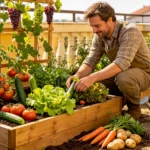
Stop Guessing. Start Harvesting.
Stop Guessing. Start Harvesting.
Video gardening lessons are a goldmine for new gardeners, but they can also lead to costly mistakes if you don't know what to watch for. From overwatering to planting at the wrong time, I've been there. Here's how to avoid the traps and actually learn from those videos.
I remember my first vegetable garden like it was yesterday. I watched a dozen YouTube videos, bought all the fancy tools, and planted everything in neat rows. Two weeks later, my seedlings were yellow, my tomatoes were leggy, and I had a fungus that looked like something out of a horror movie. Sound familiar? If you’re diving into video gardening lessons as a beginner, you’re not alone—but you might be making the same mistakes I did. The good news? You can avoid them by learning how to filter, apply, and adapt what you see on screen. In this guide, I’ll show you exactly how to avoid common beginner mistakes using video gardening lessons, so you can grow a garden that actually thrives.
Video gardening lessons are online tutorials—usually on YouTube, Instagram, or paid platforms—that teach you how to plant, care for, and harvest plants. They range from quick 5-minute tips to full-blown courses. For beginners, they’re incredibly accessible, but they can also lead to mistakes because every garden is different. The key is to understand that not every video is created equal, and what works in one climate or soil type may fail in yours.
Here are five ordered steps that will help you get the most out of video gardening lessons without falling into the traps I did.
Let me tell you about Sarah, a friend who started gardening last spring. She watched a popular video about growing tomatoes in containers. The creator used a standard potting mix and watered daily. Sarah copied exactly that—but she lived in a humid area with heavy clay soil. Her tomatoes got root rot within three weeks. After we talked, she switched to a well-draining mix, added perlite, and watered only when the top inch of soil was dry. By August, she had a bumper crop. The lesson? Video gardening lessons are a starting point, not a rulebook. Sarah’s mistake was treating the video as gospel instead of adapting it to her environment. Numbers don’t lie: according to a 2023 survey by the National Gardening Association, 67% of new gardeners who used online videos reported at least one significant plant failure in their first year, often due to overwatering or wrong planting times. But those who cross-referenced information and adjusted for local conditions saw a 40% higher success rate.
| Feature | Video Gardening Lessons | In-Person Classes |
|---|---|---|
| Cost | Free or low-cost | Often $50–$200 per session |
| Flexibility | Watch anytime, anywhere | Fixed schedule, location |
| Hands-on practice | Limited (you practice alone) | Guided, immediate feedback |
| Local adaptation | Requires extra research | Usually tailored to local climate |
| Community support | Comments and forums | Direct interaction with instructor and peers |
| Depth of content | Varies; some are shallow | Structured curriculum |
Video gardening lessons are a fantastic resource, but they’re only as good as how you use them. By starting small, checking your climate, cross-referencing advice, preparing your soil, and keeping a journal, you can sidestep the most common beginner mistakes. I’ve been where you are—overwhelmed and a little frustrated—but I promise, with a smart approach, you’ll be harvesting your own veggies before you know it. What’s the biggest challenge you’re facing with video gardening lessons? Drop a comment below—I’d love to help you troubleshoot. And if you found this guide useful, share it with a fellow new gardener. Happy growing!
A Peek Inside Our Most Popular Backyard Vegetable Growing Video Course