Stop Guessing. Start Harvesting.
Stop Guessing. Start Harvesting.
Ready to grow your own veggies but short on space? Our video walkthrough shows you how to start container vegetable gardening from scratch—no experience needed.
I remember standing in my tiny apartment balcony three years ago, staring at a sad-looking basil plant I’d bought at the grocery store. I had no clue what I was doing. But that little plant sparked something in me—a desire to grow my own food, even in a cramped space. That’s when I decided to learn container vegetable gardening from scratch. And let me tell you, it changed everything.
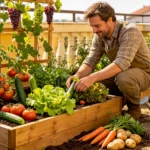
Container gardening is the perfect solution for anyone who thinks they don’t have enough room for a garden. Whether you live in an apartment, a condo, or a house with a postage-stamp-sized yard, you can grow fresh tomatoes, peppers, lettuce, and herbs right outside your door. The best part? You don’t need a green thumb or expensive equipment. Just a few pots, some soil, and a little know-how.
In this article, I’ll walk you through everything I’ve learned on my journey—from choosing the right containers to harvesting your first crop. And because I know visual learning helps, I’ve included a video walkthrough that shows you each step in real time. By the end, you’ll be ready to start your own container vegetable garden from scratch.
Container vegetable gardening is exactly what it sounds like: growing vegetables in pots, buckets, planters, or any other container instead of in the ground. It’s a practical method for people with limited space, poor soil, or mobility issues. You control the soil quality, water drainage, and even the location—moving pots to catch the sun or escape harsh weather.
This approach works for almost any vegetable: tomatoes, peppers, cucumbers, beans, carrots, and leafy greens thrive in containers. The key is matching the plant size to the container size and providing consistent care. It’s not complicated, but it does require a bit of planning.
Here are the five ordered steps I followed to build my first container garden. Trust me, if I can do it, you can too.
Let me share a real story. Last spring, my neighbor Sarah—a complete beginner—decided to try container gardening. She had a 4×6-foot balcony with morning sun only. She wanted to grow tomatoes and basil for her pasta sauces.
We picked two 5-gallon buckets, filled them with Miracle-Gro potting mix, and planted ‘Roma’ tomato seedlings and ‘Genovese’ basil seeds. Sarah watered them every morning and used a slow-release fertilizer once. By mid-summer, she was harvesting 10-15 tomatoes per week and enough basil to make pesto every Sunday. Her total investment? About $30 for pots, soil, and seeds. She saved at least $50 on grocery store produce over the season.
Another case: I tried growing carrots in a 12-inch deep container. I used ‘Nantes’ variety and thinned them to 2 inches apart. In 70 days, I pulled out 20 perfect carrots. The trick was consistent moisture—I used a self-watering pot to avoid drying out.
| Vegetable | Minimum Container Size | Sunlight Needed | Days to Harvest | Best Varieties |
|---|---|---|---|---|
| Tomato | 5 gallons | Full sun (6-8 hrs) | 60-85 | ‘Tiny Tim’, ‘Sweet 100’ |
| Pepper | 3 gallons | Full sun (6-8 hrs) | 60-90 | ‘Bell Boy’, ‘Jalapeño’ |
| Lettuce | 1 gallon | Partial sun (4-6 hrs) | 30-50 | ‘Buttercrunch’, ‘Red Sails’ |
| Carrot | 2 gallons (deep) | Full sun (6-8 hrs) | 60-80 | ‘Nantes’, ‘Danvers’ |
| Bush Bean | 2 gallons | Full sun (6-8 hrs) | 50-60 | ‘Provider’, ‘Blue Lake’ |
| Cucumber | 5 gallons | Full sun (6-8 hrs) | 55-70 | ‘Bush Champion’, ‘Spacemaster’ |
Starting a container vegetable garden from scratch doesn’t require a degree in horticulture or a backyard farm. It’s about taking that first step—buying a pot, some soil, and a seed packet—and learning as you go. I’ve made mistakes (overwatering, under-fertilizing, planting too late), but every failure taught me something valuable.
Now it’s your turn. Grab a container, pick a vegetable you love, and start growing. Watch the video walkthrough for a hands-on guide, and don’t be afraid to experiment. If you have questions or want to share your progress, drop a comment below. I’d love to hear about your garden journey!