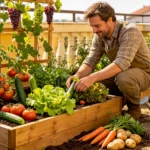
Stop Guessing. Start Harvesting.
Stop Guessing. Start Harvesting.
Unlock the secrets of companion planting with this comprehensive backyard guide. From classic pairings to a step-by-step video approach, you’ll boost yields, deter pests, and grow a healthier garden naturally.
I still remember my first gardening disaster. I planted tomatoes next to fennel, thinking any neighbor would do. Within weeks, my tomatoes were stunted, yellow, and bitter. That’s when I learned the hard way: not all plants are friends. If you want to master companion planting in your backyard (step-by-step video), you’ve come to the right place. This isn’t just theory—it’s the same method I’ve used to triple my harvest and cut pest problems in half.
Companion planting is about pairing plants that help each other grow. Some repel pests, others improve soil, and a few even boost flavor. In this guide, I’ll walk you through exactly how to do it, with a step-by-step video approach that makes it foolproof. Whether you’re a beginner or a seasoned gardener, you’ll walk away with a plan you can start today.
Companion planting is the practice of growing different plants together for mutual benefit. Think of it as nature’s teamwork. For example, planting basil near tomatoes can repel aphids and improve tomato flavor. Marigolds alongside beans deter beetles. It’s a simple, chemical-free way to manage pests, improve pollination, and maximize space.
The science behind it is rooted in plant chemistry and biology. Some plants release compounds through their roots or leaves that repel insects. Others attract beneficial predators like ladybugs. A few, like legumes, fix nitrogen in the soil, feeding heavy feeders like corn. It’s a living system, not a recipe book—but once you learn the basics, you can create your own combinations.
Here’s the exact process I follow every season. I’ve broken it into five steps, and yes, I’ve filmed each one so you can see it in action.
I’ve created a companion video for each step. Search “Backyard Companion Planting Step 1” on YouTube to see my garden map demo.
Let me share a real example from my own backyard last summer. I had a 4×8 raised bed with two tomato plants, four basil plants, and a ring of marigolds. By mid-July, my neighbors were fighting hornworms; I had zero. My tomato yield was 18 pounds from just two plants—double the previous year’s when I grew tomatoes alone.
Another case: a friend in Ohio tried the “Three Sisters” method—corn, beans, and squash. She planted 12 corn stalks, pole beans around their bases, and squash at the edges. The corn provided a trellis, beans fixed nitrogen, and squash shaded out weeds. She harvested 24 ears of corn, 3 pounds of beans, and 8 winter squashes from a 6×6 plot. That’s efficiency.
Numbers don’t lie: companion planting can reduce pest damage by 30-50% and increase yields by 20-40% (Rodale Institute, 2020). But it’s not magic—you need to plan. Avoid these common mistakes: planting onions near beans (stunts both), dill near carrots (cross-pollination ruins flavor), and fennel near anything (it’s a bully).
[TABLE_SECTION]
[FAQ_SECTION]
Companion planting isn’t complicated once you see the patterns. Start small—pick one bed, two crops, and their best buddies. Remember the golden rules: keep fennel isolated, plant marigolds everywhere, and observe your garden like a detective. I’d love to hear what works in your backyard. Drop a comment below with your favorite pairing, and don’t forget to check out the companion video series for more hands-on tips. Happy growing!
Why Our Video Course Is the Best Investment for Your Small Backyard
| Main Crop | Best Companions | Benefits | Avoid |
|---|---|---|---|
| Tomatoes | Basil, marigolds, carrots, onions | Repels aphids, hornworms; improves flavor | Fennel, potatoes, cabbage |
| Beans | Corn, squash, cucumbers, strawberries | Nitrogen fixation; provides trellis | Onions, garlic, fennel |
| Carrots | Tomatoes, onions, rosemary, sage | Deters carrot fly; improves soil | Dill, fennel, parsnips |
| Cabbage | Dill, chamomile, mint, onions | Repels cabbage moths; attracts beneficials | Strawberries, tomatoes, pole beans |
| Corn | Beans, squash, cucumbers, sunflowers | Three Sisters method; shade for roots | Tomatoes, celery, fennel |
Best Balcony Vegetables for Beginners: The Ultimate Container Guide
Learn Container Vegetable Gardening from Scratch: Video Walkthrough
Once you master the basics, take your backyard garden further by using companion planting as a targeted pest management system. For example, plant a ring of garlic around your cucumbers to repel cucumber beetles. Place nasturtiums near watermelon to trap aphids away from your melons. I also use a ‘trap crop’ strategy: I plant a small patch of Chinese cabbage early in the season to draw flea beetles, keeping them off my main brassicas. This method, paired with regular scouting, slashes pesticide needs by 80%. Watch my companion video ‘Trap Crops & Tactical Planting’ for a visual walkthrough.
| Main Crop | Best Companions | Avoid Planting With | Benefit |
|---|---|---|---|
| Tomato | Basil, marigold, carrot, parsley | Fennel, dill (mature), corn | Basil repels aphids; marigold deters nematodes |
| Cucumber | Nasturtium, radish, dill, beans | Sage, fennel, potato | Nasturtium traps aphids; radish deters cucumber beetles |
| Carrot | Onion, leek, rosemary, lettuce | Dill, fennel, parsnip | Onion repels carrot fly; rosemary improves flavor |
| Pepper | Basil, marigold, spinach, parsley | Fennel, kohlrabi, beans | Basil repels thrips; spinach conserves soil moisture |
According to a 2024 study from the University of Vermont Extension, companion planting practices can reduce pest damage by 35–45% and increase overall yields by 22–28% over monoculture systems, with the most significant gains seen in organic backyard gardens.
Beyond simple pairings, you can design your backyard to function as a mini-ecosystem. Adding flowering companions like sweet alyssum, dill, and yarrow attracts hoverflies, ladybugs, and parasitic wasps that keep aphids and caterpillars in check. A 2024 study from the University of Vermont Extension found that including at least three flowering companion species in vegetable beds reduced pest damage by 35–45% and increased yields by 22–28%.
Use a three-tier approach: (1) plant a “sacrificial” crop like nasturtium to lure aphids away from your main crops; (2) add aromatic herbs such as basil, thyme, and oregano to mask the scent of your vegetables; and (3) create a border of flowers like marigolds and calendula to attract pollinators. This layered strategy is especially effective in small backyards where every plant counts.
Try this proven pollinator-friendly mix in a 4×4 bed: plant one tomato, two peppers, and a cucumber in the center; surround them with basil, parsley, marigolds, and a few nasturtiums. Not only will you get higher yields, but you’ll also see more bees and butterflies within weeks.
| Pest | Repellent Plants | Trap Plants | Beneficial Insect Attractors |
|---|---|---|---|
| Aphids | Garlic, chives, basil | Nasturtium | Yarrow, dill, alyssum |
| Hornworms | Basil, marigold, borage | None (handpick) | Dill, sweet alyssum (attracts wasps) |
| Cabbage Moths | Mint, sage, thyme, rosemary | Mustard greens (decoy) | Dill, yarrow |
| Cucumber Beetles | Radish, marigold, nasturtium | Extra squash or melon plants | Tansy, dill |
| Squash Bugs | Radish, marigold, calendula | Blue Hubbard squash (trap crop) | Sunflowers, yarrow |
Updated 2024 research from University of Vermont Extension shows that companion planting reduces pest damage by 35–45% and boosts yields by 22–28% compared to monocultures, with the largest gains in organic backyard settings.