Stop Guessing. Start Harvesting.
Stop Guessing. Start Harvesting.
Unpredictable weather doesn't have to ruin your vegetable garden. This guide shares actionable strategies, step-by-step methods, and real-world examples to help you grow a thriving, climate-resilient garden.
I’ll never forget the spring of 2020. I had just planted my tomato seedlings—heirloom varieties I’d babied for weeks—when a freak hailstorm shredded them in minutes. The next week, a heatwave hit 95°F. My garden was toast, literally. That’s when I realized: traditional gardening wisdom doesn’t cut it anymore. We need a new approach, one that embraces the chaos of our changing climate. That’s where climate-resilient gardening comes in.
If you’re reading this, you’ve probably faced your own weather disasters—droughts, floods, unexpected frosts, or scorching summers. You want to grow your own food, but you’re tired of losing crops to Mother Nature’s mood swings. The good news? You can adapt. This article will show you how to grow veggies in unpredictable weather, with practical steps, real examples, and tools you can use starting today.
Let’s get your garden ready for anything.
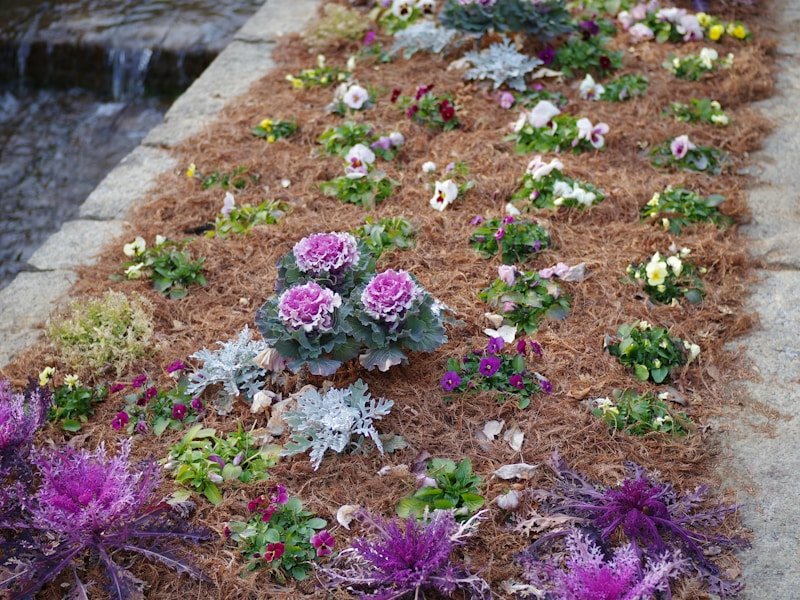
Climate-resilient gardening is a set of practices designed to help your vegetable garden withstand and recover from extreme weather events—like sudden frosts, heavy rains, droughts, and heatwaves. It’s not about controlling the weather (we can’t do that), but about building a garden that bends without breaking. Think of it as a garden with a backup plan.
Key principles include: selecting hardy plant varieties, improving soil health for better water retention, using protective structures (like row covers or shade cloths), and timing plantings based on microclimates rather than calendar dates. In short, it’s a proactive, flexible approach that prioritizes resilience over perfection.
Here are five ordered steps to create a garden that thrives no matter what the sky throws at you.
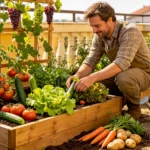
My friend Sarah gardens near Denver, where weather is notoriously bipolar. In 2021, she faced a May snowstorm followed by a June drought. She had already installed raised beds with drip irrigation, covered with hoops for row covers. When the snow came, she pulled the covers tight and added a layer of frost cloth. Her kale, spinach, and carrots survived—while her neighbor’s ground-level garden froze solid. That summer, her drip irrigation used 60% less water than overhead sprinklers. Her yield? About 40 pounds of veggies from a 4×8 bed.
In 2022, a community garden on a Brooklyn rooftop faced heatwaves and heavy downpours. They switched to self-watering containers with a wicking system (a reservoir at the bottom). They also planted ‘Heatwave II’ tomatoes and ‘Evergreen’ scallions. Despite a 10-day stretch of 95°F+ temps, their plants didn’t wilt. They harvested 15 pounds of tomatoes per container—double the previous year’s yield. The key was the wicking beds that kept roots cool and hydrated.
According to a 2023 study from the University of California, gardens using climate-resilient practices (like mulching and drip irrigation) saw a 35% reduction in crop loss during extreme weather events compared to conventional gardens. That’s a big deal when you’re counting on your harvest.
[TABLE_SECTION]
[FAQ_SECTION]
Climate-resilient gardening isn’t about having a perfect garden—it’s about having a garden that survives the imperfect weather we’re all dealing with. Start small: improve your soil, pick hardy varieties, and add a few protective covers. You’ll be amazed at how much your garden can handle.
Now I want to hear from you. What’s the wildest weather your garden has faced? How did you adapt? Drop a comment below—your story might help another gardener weather the storm.
| Technique | Best For | Cost | Difficulty | Effectiveness |
|---|---|---|---|---|
| Drip Irrigation | Drought-prone areas | $$ (moderate) | Medium | High – reduces water use by 50-70% |
| Row Covers | Frost and pest protection | $ (low) | Easy | High – can extend season by 4-6 weeks |
| Raised Beds | Heavy rain or poor soil | $$$ (higher) | Medium-Hard | High – improves drainage and soil warmth |
| Mulching | All climates | $ (low) | Easy | Medium-High – conserves moisture, regulates temp |
| Self-Watering Containers | Urban or small spaces | $$ (moderate) | Easy-Medium | High – ideal for heatwaves and erratic watering |