
Stop Guessing. Start Harvesting.
Stop Guessing. Start Harvesting.
Companion planting for container lettuce is a proven strategy to boost productivity, naturally manage pests, and create healthier plants in limited spaces. Learn the best companions and practical steps.
Lettuce is the backbone of many commercial salad lines and urban container farms. But when you’re growing in pots, troughs, or vertical systems, every square inch counts. That’s why companion planting for container lettuce has become a strategic practice for growers who want to maximize productivity without expanding footprint. By pairing lettuce with the right partners, you can repel pests, improve flavor, and make better use of soil nutrients — all in a confined space.
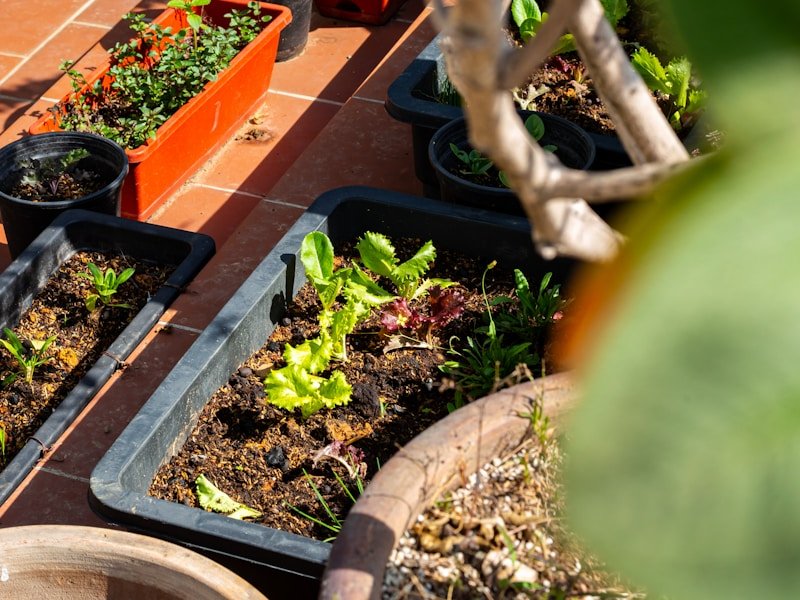
In this guide, we’ll break down how companion planting for container lettuce works, provide a proven 5-step implementation plan, and share real-world case studies that demonstrate the commercial benefits. Whether you’re a greenhouse operator, rooftop farmer, or produce supplier, these techniques will help you get more from your containers. Best Trellis for Potted Vegetables: The Commercial Buyer's Guide
Companion planting for container lettuce is the deliberate pairing of lettuce plants with other plant species in the same container to create a mutually beneficial environment. The practice leverages natural plant relationships to:
Unlike traditional companion planting in open soil, container systems demand careful consideration of root depth, water needs, and growth rate. This makes plant selection even more critical.
Start by assessing your container’s size, drainage, and sun exposure. Lettuce prefers cooler conditions with 4-6 hours of direct sun, so choose companions that can tolerate partial shade. For example, if your container is on a hot patio, pair lettuce with heat-tolerant herbs like basil that can provide light shade. Containers 12 inches in diameter or larger offer enough room for a diverse plant community. Ensure the container has adequate drainage holes and use a high-quality potting mix that retains moisture but doesn’t become waterlogged.
Use the comparison table below to identify plants that offer clear benefits. Focus on companions with shallow roots (like radishes and cilantro) and those that actively repel pests (like marigolds and nasturtiums). Avoid heavy feeders like cabbage or broccoli, which will deplete nutrients and outcompete the lettuce. Also, avoid fennel, which releases allelopathic chemicals that stunt lettuce growth. Prioritize compact or dwarf cultivars of herbs and flowers to fit the container environment.
Arrangement matters. Place taller companions like dill or flowering chamomile on the north side or center of the container so they don’t shade lettuce too heavily. Use the central zone for lettuce and the border for low-growing companions such as marigolds or thyme. In a 12-inch container, you can comfortably grow two lettuce plants and one marigold or radish. In a 20-inch rectangular trough, you can fit four lettuce plants and a row of basil along the edge. Vertical layering also works: plant trailing nasturtiums around the rim to create a living mulch that cools the soil. Vertical Patio Vegetable Garden Setup: Complete Commercial Guide
To get continuous harvests, sow lettuce in stages and plant companions that mature at different times. For example, radishes are ready in 25 days, while lettuce takes 45-60 days. This allows the radish to break up the soil and be removed before lettuce needs more space. Similarly, plant cilantro as a fast-growing trap for aphids, then replace it with parsley after the first harvest. Succession planting ensures that the container never has bare soil, reducing weed pressure and maximizing photosynthesis.
Companion planting is an active management strategy. Check for signs of nutrient deficiency, water stress, or pest damage weekly. Remove companions that become invasive or compete excessively. Keep notes on what works best in your specific conditions. For example, you may find that in your greenhouse, dill attracts too many parasitic wasps that feel threatening to workers — then switch to basil. Track yields, pest counts, and plant health metrics to quantify the benefits of each companion.
A rooftop farm in Chicago with 500 recycled 10-gallon containers implemented a companion planting system for their lettuce line. They added marigolds and basil to every fourth container. Over one season, they reported:
The farm attributed the success to pest repellence and the microclimate created by basil’s dense foliage. The marigolds emitted root exudates that deterred soil-borne nematodes, while the basil’s aromatic oils masked the scent of lettuce from flying pests. The extra cost of companion seeds was just 0.03 per container, yielding an additional 0.50 of lettuce per container — a 15-fold return on investment. Herbs to Plant with Balcony Vegetables: The Commercial Grower's Guide
A commercial greenhouse in Ohio growing butterhead lettuce in 6-inch pots introduced companion planting of dill and cilantro as a pest management pilot. By interplanting 1 herb for every 3 lettuce plants, they saw:
The grower now uses companion planting as their primary IPM strategy. The diverse plantings attracted beneficial predatory insects like ladybugs and lacewings, which naturally controlled aphid outbreaks. The cilantro also served as a lucrative secondary crop, generating 1.20 per pot in herb sales — offsetting any labor costs associated with the system.
A vertical farming operation in New York tested companion planting for container lettuce in stacked trays with radishes. Each tray measured 2 feet by 4 feet and held 24 lettuce plants. They added radishes in the gaps between lettuce plants, using 6 radishes per tray. Results over a 60-day cycle:
This interplanting strategy required no additional space or inputs, making it a zero-cost yield enhancement. The farm adopted this method across 2,500 trays, increasing annual profit by 12%.
| Companion Plant | Primary Benefit | Ideal Container Size | Spacing Needs | Growing Notes |
|---|---|---|---|---|
| Marigolds | Repels aphids and nematodes | 10+ gallons | 6-8 inches apart | Plant along edges; French marigolds are compact. |
| Basil | Deters thrips and flies; improves flavor | 12+ gallons | 4-6 inches apart | Needs full sun; prune regularly to stay bushy. |
| Dill | Attracts beneficial predatory wasps | 10+ gallons | 12 inches apart | Tall; place in center or back of container. |
| Radishes | Break up soil; repel flea beetles | 5+ gallons | 2 inches apart | Fast-growing; harvest before they compete. |
| Nasturtiums | Trap aphids; edible flowers | 8+ gallons | 8-10 inches apart | Trail over edges; use as sacrificial plants. |
| Carrots | Deep taproot loosens soil; no competition | 12+ gallons | 2-3 inches apart | Need deep containers; thin carefully. |
Companion Planting for Space Saving: Commercial Guide
When starting with companion planting for container lettuce, keep these best practices in mind:
If you encounter issues, such as lettuce not growing well, assess whether the companions are competing too aggressively for light or nutrients. For example, dill can grow tall and shade lettuce if planted too close. In that case, prune the dill regularly or transplant it to a larger container. If pests persist, adjust the companion mix by adding more pest-repelling species like onions or garlic chives.
As the demand for locally grown, fresh produce rises, container farming is expanding in urban centers. Companion planting for container lettuce is not a passing trend; it’s a science-backed approach that aligns with sustainable agriculture principles. By reducing reliance on synthetic pesticides and maximizing biological diversity, growers can produce cleaner, healthier lettuce that commands premium prices. Moreover, with the growing interest in regenerative practices, companion planting is a low-cost, high-impact technique that any grower can adopt.
Companion planting for container lettuce is not just a gardening trend — it’s a commercial strategy that improves yields, reduces input costs, and supports sustainable production. By selecting the right companions and following a systematic approach, container growers can turn small spaces into highly efficient growing units. Start small, track your data, and scale what works. The examples and data presented here demonstrate that the benefits are real and measurable. Whether you are a commercial greenhouse, an urban farm, or a produce distributor looking to optimize your supply chain, companion planting for container lettuce deserves a place in your growing plan. What NOT to Plant Together in Pots: A Commercial Grower's Guide
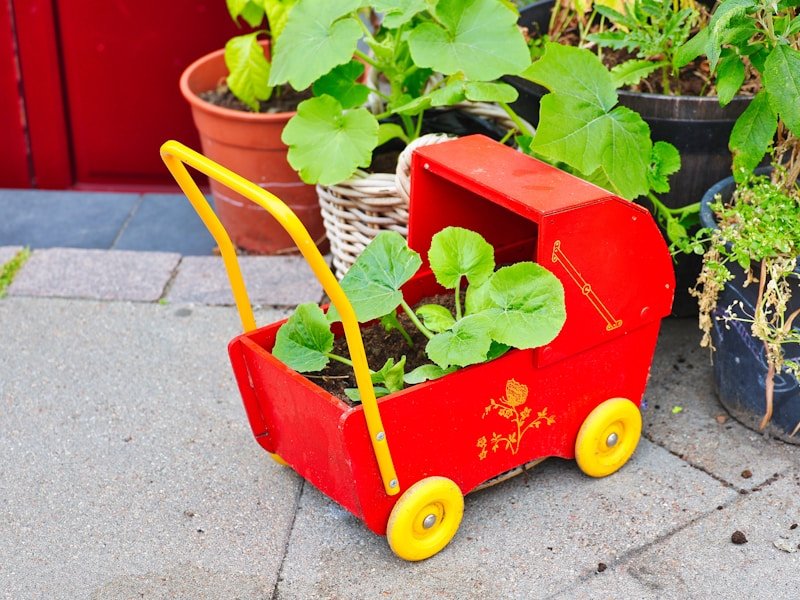
Most guidance focuses on what to add. In containers, the more consequential decision is often what to leave out, because one mismatched neighbor can crowd roots, shade the crop, or release compounds that suppress lettuce growth. The species below cause the most problems in mixed lettuce containers:
A practical alternative to permanent interplanting is the sunk-pot method: plunge a 3–4 inch (8–10 cm) pot containing the companion into the growing media beside the lettuce. The companion can be lifted out, trimmed, replaced or removed entirely at harvest without disturbing lettuce roots, and it lets you swap a bolting cilantro for a fresh clump in seconds.
Container format changes which companions make sense far more than most planting charts admit. Root volume, drying speed and irrigation method all shift the balance of competition.
Mixing species raises canopy density, and canopy density is the main driver of lettuce disease in containers. Downy mildew, Botrytis and Sclerotinia all exploit still, humid air trapped under layered foliage. Keep mixed containers working by managing the microclimate deliberately:
Before rolling companion planting across a whole lettuce line, work through the operational questions that determine whether the system survives contact with a production schedule:
| Companion | Container fit and spacing | Primary benefit for lettuce | Root zone and feeding notes | Watch-outs |
|---|---|---|---|---|
| Basil (compact or dwarf) | 1 plant per 12 in (30 cm) pot, or along one edge of a trough | Light overhead shade, aromatic pest masking, saleable herb | Shallow to medium roots; moderate feeder — a balanced slow-release mix is usually sufficient | Bolts and yellows in cool weather; pinch flower spikes to keep it compact |
| French marigold (Tagetes patula) | 1 per 12 in pot; 2–3 along a 20 in trough | Root exudates suppress nematodes; flowers support beneficial insects | Fibrous shallow roots; low feeder | Above-ground pest repellence is limited — it complements scouting, it does not replace it |
| Nasturtium (dwarf or trailing) | Trailing types at the rim; dwarf types 1 per 10–12 in | Aphid trap crop and living mulch that shades the substrate surface | Moderate feeder; tolerates lean mixes | Sprawls over lettuce if unmanaged; remove the whole plant once it carries aphids |
| Radish | 6 per 2 x 4 ft tray between lettuce plants; lift early | Fast soil loosening, quick catch-crop revenue, no season extension cost | Taproot reaches below the lettuce root zone; light feeder | Bolts in heat and shades lettuce if left past its harvest window |
| Cilantro / coriander | 3–4 plants per 12 in pot; resow every 2–3 weeks | Early-season aphid trap and a saleable culinary herb | Shallow roots; light feeder | Bolts quickly in warmth — replace with parsley or a fresh sowing |
| Chives | Small clump at the border, 6–8 in from lettuce | Aromatic slug and aphid deterrent; different root depth reduces competition | Bulb-type roots sit deeper than lettuce; low feeder; regrows after cutting | Spreads slowly — divide yearly and avoid crowding small pots |
| Creeping thyme | Border planting, 1 plant per 8–10 in of edge | Low, open edge cover that will not shade the crop; aromatic foliage | Fine shallow roots; needs sharper drainage than lettuce | Rots in wet, heavy mixes — site it at the drier rim and ease off watering |
| Dill (dwarf or bush types only) | Back or north edge; 1 per 14–16 in pot | Beneficial insect habitat and a trap for caterpillar pests | Taproot; moderate feeder | Tall and floppy; open flowers attract wasps — pinch for compact growth near work areas |
| Borage | 1 per 20 in container, at the outer edge | Fuzzy foliage deters slugs; flowers feed pollinators | Deep taproot; moderate feeder | Large and self-seeds readily — deadhead before seed set |
| Fennel | Not recommended in mixed lettuce containers | None — allelopathic to lettuce | Releases growth-inhibiting compounds into the substrate | Grow only in a separate pot well away from production benches |
| Mint and lemon balm | Not recommended in mixed lettuce containers | None in this system | Aggressive runners fill the pot within a season | Grow isolated in their own containers beside, not with, the lettuce |
Track thermal benchmarks rather than headline percentages. Lettuce seed germinates most reliably at roughly 60–70°F (15–21°C), and many cultivars need light to germinate, so surface-sow and barely cover the seed. Vegetative growth is fastest between about 60 and 68°F (15–20°C); once daytime temperatures push into the mid-70s °F (mid-20s °C), many cultivars begin to bolt and leaves turn bitter. That thermal window is the real reason companion planting earns its place in containers — a little shade over the substrate and a living canopy at the pot rim buy a few degrees and a few days of harvest window, which matters more operationally than any published yield lift. Reported yield and pest-reduction figures from mixed container trials vary too widely across cultivar, light integral, EC/pH management and local pest pressure to be used as planning numbers. Establish a matched monoculture control on the same irrigation zone and compare marketable weight per square foot of container surface, days to harvest, and pest counts per plant per week across at least one full cycle before committing a line.