Stop Guessing. Start Harvesting.
Stop Guessing. Start Harvesting.
Learn how to grow potted thornless blackberries commercially. This guide covers container selection, soil, irrigation, pruning, and pest control for maximum profitability.
The shift toward controlled-environment agriculture has made potted thornless blackberry production an increasingly viable option for commercial farms and nurseries. Unlike traditional field plantings, containerized blackberries allow growers to optimize soil conditions, manage irrigation with precision, and extend the harvest window. However, success in this system demands more than simply dropping a cane into a pot. It requires a disciplined approach to variety selection, substrate composition, nutrient scheduling, and canopy management. This potted thornless blackberry care guide is designed to provide commercial producers with the technical framework needed to achieve consistent yields and high-quality fruit.
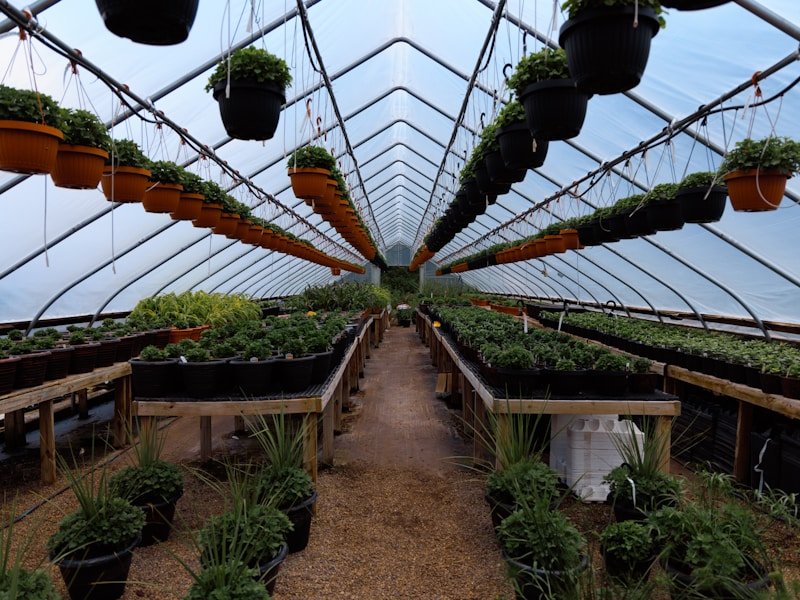
Potted thornless blackberry care refers to the complete set of cultural practices required to cultivate thornless blackberry cultivars in containers rather than in open soil. This includes everything from choosing the right pot size and substrate to managing fertigation, pruning, pollination, and winter protection. For commercial operations, it also involves implementing scalable systems that maximize labor efficiency and fruit output per square foot. Since thornless varieties lack the defensive spines of their wild counterparts, they are easier to harvest and prune, making them particularly suitable for high-density container growing. How to Prune Strawberry Runners in Pots: A Commercial Grower's Guide
Commercial growers cannot afford guesswork. The following five steps represent a proven methodology for establishing and maintaining potted thornless blackberries in a production setting.
Choose a thornless variety known for vigorous but manageable growth, such as ‘Apache’, ‘Ouachita’, or ‘Triple Crown’. For container production, select a pot with a minimum 10-gallon capacity for mature plants; 15-gallon containers are ideal for extended production. Ensure the container has ample drainage holes and is constructed from UV-stabilized material to withstand years of outdoor exposure. Lightweight fabric pots are an option for operations that require seasonal mobility.
Blackberries require well-aerated root zones. A commercial substrate containing 40% aged bark, 30% coco coir, 20% perlite, and 10% compost provides excellent drainage while retaining moisture. Avoid field soil, which compacts in containers and restricts oxygen flow. Adjust pH to 5.8-6.5. Before planting, saturate the substrate with a balanced starter solution to minimize transplant shock. How to Harvest Lettuce So It Keeps Growing: A Commercial Grower's Guide
Container-grown blackberries have limited soil volume, making them dependent on consistent moisture. Drip irrigation with emitters rated at 1-2 gallons per hour is recommended. In hot climates, plants may require watering once or twice daily. Use fertigation to deliver a complete nutrient solution with every irrigation or at least twice weekly during the growing season. A typical program includes: nitrogen (60-80 ppm), phosphorus (20-40 ppm), potassium (80-120 ppm), and a micro-nutrient chelate. Monitor electrical conductivity (EC) in the root zone and maintain it between 1.5 and 2.2 mS/cm.
Thornless blackberries need support even in pots. Install a trellis system with a central wire at 4 feet and a second wire at 5.5 feet. Each container should support 4-6 primocanes. In late summer, tip the primocanes to encourage lateral branching. After fruit set, remove floricanes to the ground to improve air circulation and reduce disease pressure. During the dormant season, thin primocanes to the strongest canes and head them back to 6 feet. Potted Blueberry Soil Acidifying Guide
Container plants are more prone to cold injury because roots are exposed to ambient temperatures. In USDA zones 6 and below, group pots against a building and surround them with straw or wrap the containers with insulating blankets. Alternatively, move pots into a non-heated cold room. For pest control, scout for spider mites, aphids, and cane borers. Use horticultural oil during dormancy and introduce beneficial insects such as ladybugs once growing season begins. Implement a strict sanitation program to prevent fungal diseases like botrytis fruit rot.
To illustrate the business potential of this method, consider the experience of a mid-size berry farm in Oregon that transitioned 2 acres of field-grown blackberries to potted production starting in 2021. They installed 2,500 ten-gallon pots of ‘Apache’ blackberries spaced 3 feet apart in rows. The operation utilized a programmable drip system with fertigation injectors and a soilless mix of bark and coco coir.
The results were striking. In the first full fruiting year, they harvested an average of 12.5 tons per acre, compared to 9.8 tons from their previous field plots. Fruit size increased by approximately 15% due to improved root aeration and targeted nutrient delivery. Harvest labor costs dropped by 20% because the uniform container heights allowed workers to pick faster. In the second winter, with insulating wraps, cane survival exceeded 95%. The farm now plans to expand containerized plantings by another 1.5 acres, citing better control over plant health and the ability to rotate varieties faster based on market demand. When to Harvest Potted Tomatoes: A Commercial Grower’s Guide
One key lesson from their transition involved irrigation timing. Initially, they overwatered, leading to root hypoxia and defoliation. After installing soil moisture sensors, they reduced water usage by 18% while improving plant vigor. For growers considering a similar move, the margin improvement from container systems can be substantial when all variables are managed with the discipline of a nursery operation.
| Mix Type | Ingredients (by volume) | Drainage | Moisture Retention | Best For |
|---|---|---|---|---|
| Standard Bark Mix | 50% aged bark, 25% coco coir, 15% perlite, 10% compost | Excellent | Moderate | Outdoor commercial production with drip irrigation |
| Coco Coir Mix | 40% coco coir, 30% perlite, 20% compost, 10% vermiculite | Very Good | High | Greenhouse and high-temperature operations |
| Heavy Loam Blend | 50% field soil, 25% compost, 25% coarse sand | Poor | Very High | Not recommended – compacts and restricts roots |
| Peat-Based Mix | 45% peat moss, 30% bark, 20% perlite, 5% lime | Good | High | Hobbyist use; less sustainable and dries out quickly |
Choosing the right substrate mix is critical to root health and long-term productivity. Below is a comparison of common ingredient combinations used in commercial potted blackberry production. Growing Passion Fruit on Balcony Trellis: The Commercial Grower's Guide