
Stop Guessing. Start Harvesting.
Stop Guessing. Start Harvesting.
原价为:$59.90。$29.90当前价格为:$29.90。
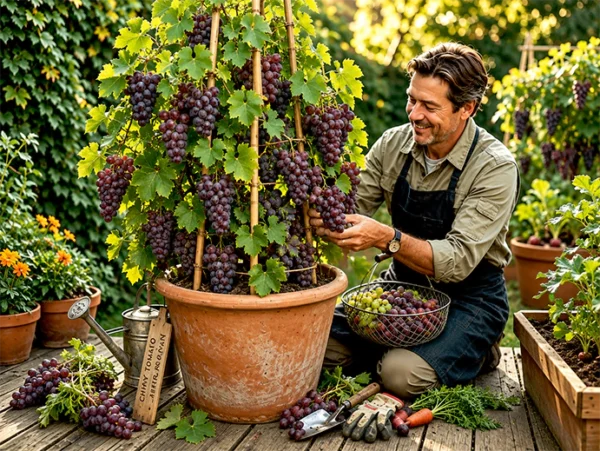
Dreaming of harvesting juicy, sun-warmed organic grapes right from your balcony or patio? The Container Gardening Masterclass is your ultimate video blueprint to building a high-yield home vineyard in any small space! Forget the myth that grapes require massive farms. Through crystal-clear video tutorials, you’ll master the essential winter pruning techniques for massive fruit clusters, our Mediterranean-style porous soil recipe, and smart organic fungal defense to keep your vines flawless.
Say goodbye to shriveled fruit, confusing agricultural guides, and wasted seasons. You’ll also unlock downloadable PDF planting calendars and visual pest diagnostic charts for instant clarity.
Stop guessing and risking your plants. [Get Instant Video Access Now for Just $29.90] and start growing your dream backyard vineyard today!
There is a distinct, timeless romance to harvesting your own sun-warmed, juicy organic grapes right outside your door. For centuries, grapes have been associated with vast, rolling vineyards. However, thanks to modern compact varieties and smart root management, learning how to grow organic grapes in pots and backyard gardens has become a highly achievable dream for urban and suburban growers alike.
Grapevines are incredibly resilient, long-lived perennials. When given the right soil structure, structural support, and seasonal maintenance, a single vine can provide your family with baskets of sweet, pesticide-free fruit for decades.
Succeeding with grapes at home starts with matching the right vine to your space and local weather.
If you are growing in containers, you must choose naturally compact or slow-growing varieties that thrive within enclosed root zones.
For Northern/Colder Zones (Zones 4–7): Look for Pixie grapes (a dwarf grapevine that produces early, sweet fruit) or Somerset Seedless, which is exceptionally cold-hardy.
For Southern/Warmer Zones (Zones 7–10): Interlaken or dwarf Muscadine varieties thrive beautifully in the heat and are highly adapted to southern patios.
Because grapevines take a long time to grow from seed, it is highly recommended to buy 1-to-2-year-old bare-root plants or potted starter plants. For a backyard setup, look for certified organic online nurseries that ship bare-root vines directly during the dormant late-winter or early-spring seasons. Reputable online suppliers such as Stark Bro’s, Nature Hills Nursery, and specialized organic heirloom fruit nurseries provide excellent, certified disease-resistant starter stock.
| Growth Factor | Container Grape Gardening (Pots) | Backyard Ground Gardening | The Home Vineyard Advantage |
| Root Space | Restricted; limits overall vine size naturally. | Unlimited; vines can grow up to 15–30 feet long. | Perfect for small balconies, patios, and decks. |
| Time to First Harvest | Often bears fruit in 1–2 years due to root restriction. | Takes 3–4 years to build a massive permanent root system. | Faster rewards and earlier fruit tasting. |
| Mobility & Protection | High. Pots can be moved into a garage during extreme winter. | Fixed. Vulnerable to severe late-spring freezes. | Protects delicate roots from unexpected climate shifts. |
| Pruning Complexity | Low. Easy to manage on a small stake or compact hoop trellis. | High. Requires heavy structural fencing and seasonal tilling. | Low-maintenance option for busy professionals. |
Grapevines hate sitting in soggy, compacted soil. Their roots need a deep, highly porous environment to breathe and thrive.
Never fill a container with heavy, dense yard dirt. For potted grapes, choose a heavy-duty container that holds at least 15 to 20 gallons (or a large half-wine barrel) with multiple drainage holes, and fill it with this custom organic blend:
40% Organic Potting Mix: For a lightweight base structure.
30% Coarse Sand or Fine Gravel: Crucial for replication of natural Mediterranean vineyard drainage.
20% Aged Organic Compost or Leaf Mold: For slow-release organic nutrients.
10% Perlite: To prevent the soil from compacting over the years.
It is incredibly discouraging to water and care for a grapevine for years, only to watch the tiny flower clusters dry up, the leaves turn powdery grey, or local birds destroy your entire harvest overnight. Sifting through overwhelming commercial agricultural guides takes hours, and bad pruning advice can accidentally delay your harvest for an entire year.
You don’t have to guess your way through the growing season.
The Winter Pruning Blueprint: The exact visual guide to cutting your vines back to ensure massive, heavy fruit clusters next summer.
The Structural Support Guide: How to easily train a grapevine on a simple patio trellis, balcony railing, or backyard arbor.
Natural Bird & Pest Barriers: The simple physical hacks to protect your ripening fruit bunches without using toxic chemicals.
🎁 LIMITED-TIME BONUS INCLUDED: Visual Fruit Plant Diagnosis Chart & 12-Month Micro-Climate Pruning Schedules (PDF).
👉 [Get Instant Access to The Container Gardening Masterclass Now for Just $29.90]
Regular Price $59 | 30-Day Money-Back Guarantee | No Farm Required
Because grapes stay on the vine for months before harvest, keeping the plant healthy without synthetic chemicals is essential for your family’s safety.
Airflow Optimization: The best natural defense against grape fungal diseases is sunshine and wind. Prune away excess summer leaves to ensure sunlight reaches the center of the vine. This allows morning dew to dry instantly, preventing disease.
Companion Planting: Grow rosemary, lavender, or garlic near the base of your backyard grapevines to naturally deter crawling insects and beetles with their strong essential oils.
If a fungal issue or pest breakout occurs, rely on these safe, organic remedies:
Copper Fungicide or Potassium Bicarbonate Sprays: Highly effective organic solutions for treating Powdery Mildew and Black Rot, which are common grape afflictions during humid summers.
Organic Neem Oil Concentrate: A safe botanical spray to control unexpected outbreaks of Japanese beetles, aphids, or leafhoppers early in the spring.
No. The vast majority of cultivated home grape varieties (including Pixie, Somerset, and Thompson Seedless) are completely self-fertile. You only need to plant a single vine to get a full, abundant harvest of grapes.
While established backyard grapes develop deep roots that handle drought well, potted grapes dry out quickly. Water deeply whenever the top 2 inches of soil feel completely dry. During hot summer weeks, you may need to water thoroughly every 2 to 3 days. Always water the soil directly—never wet the leaves, as this invites fungal spores.
This is usually caused by Black Rot, a common fungal disease that thrives in humid weather with poor air circulation. To fix this organically, immediately prune away and discard all infected fruit clusters and damaged leaves. Spray the remaining healthy vine with an organic copper fungicide according to the package directions, and ensure the vine is getting maximum direct sunlight.
Don’t let the fear of complex pruning or limited space stop you from growing your own sweet, organic grapes. By avoiding the common mistakes of overwatering, poor drainage, and incorrect seasonal pruning, you can enjoy beautiful hanging clusters of grapes right on your patio.
[Get Instant Access to The Container Gardening Masterclass] today. Secure your complete video training modules alongside our quick-reference PDF guides, and discover how simple it is to cultivate your own vibrant home vineyard!

评价
目前还没有评价