
Stop Guessing. Start Harvesting.
Stop Guessing. Start Harvesting.
Pollinators are essential to urban ecosystems, and balconies offer untapped potential. This guide gives commercial buyers actionable strategies to attract bees, butterflies, and birds to balcony gardens—boosting sustainability and property value.
Pollinators are the engine of biodiversity, yet their populations are declining at an alarming rate. For commercial property owners, landscape architects, and urban developers, the opportunity to reverse this trend starts right on the balcony. Attracting pollinators to a balcony garden isn’t just a trend—it’s a strategic investment in sustainability, tenant engagement, and corporate responsibility. Whether you manage a luxury residential complex or a corporate office with outdoor terraces, a pollinator-friendly balcony can set your property apart. This guide will walk you through every step, from plant selection to maintenance, with data-driven insights and commercial best practices.
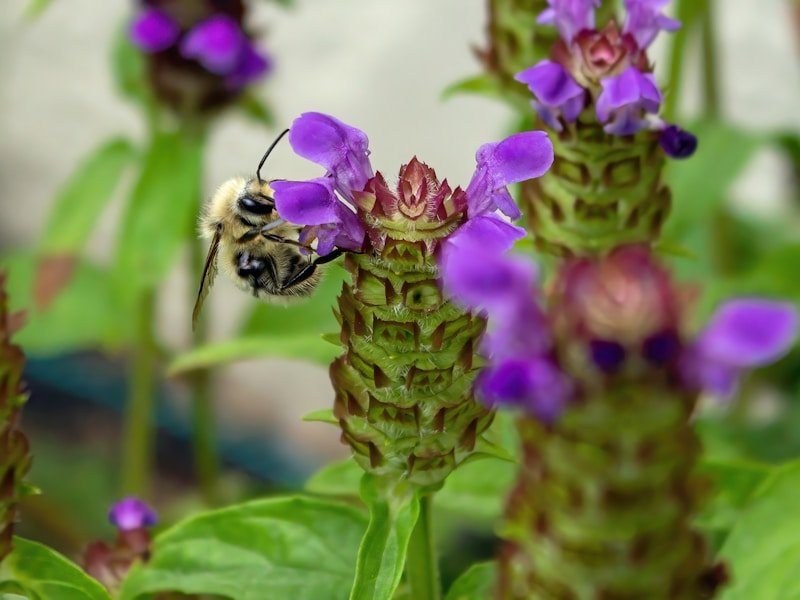
In this comprehensive guide, we’ll define what it means to attract pollinators to a balcony garden, outline a step-by-step implementation process, examine real-world case studies, and provide a comparative table of top pollinator-friendly plants. You’ll also find answers to frequently asked questions and actionable product advice for bulk purchasers. Marigolds as Companion Plants in Pots: A B2B Guide for Commercial Growers
Attracting pollinators to a balcony garden refers to the strategic design and maintenance of a compact, elevated outdoor space with the specific goal of drawing in bees, butterflies, hummingbirds, and other beneficial insects. This involves selecting plants rich in nectar and pollen, providing water and shelter, and creating an environment that supports pollinator life cycles. For commercial entities, it’s a scalable model that can be replicated across many units or combined with green building certifications like LEED or WELL.
The practice is rooted in urban ecology, where fragmented habitats are connected through networks of green roofs, terraces, and balconies. By implementing these gardens, businesses contribute to local biodiversity while reaping marketing, tenant satisfaction, and environmental compliance benefits.
Success hinges on a methodical approach. Below are five ordered steps that have been validated in commercial applications across the United States.
Before planting, evaluate the specific conditions of your balcony: daily sunlight hours (full sun vs. partial shade), wind exposure, and available square footage. Use a sun calculator or professional consultation to determine the hardiness zone under USDA standards. For example, a south-facing balcony in a high-rise may experience intense heat and dry winds, requiring drought-tolerant species. A shaded North-facing balcony demands shade-loving native plants. Document these parameters—they will dictate every subsequent choice. DIY Vertical Container Garden: A B2B Guide to Maximize Growing Space
Choose a diverse mix of native and non-invasive plants that bloom sequentially from early spring to late fall, ensuring a continuous food source. In the US, native plants like milkweed (Asclepias), black-eyed Susan (Rudbeckia), and purple coneflower (Echinacea) are excellent. For commercial uniformity, consider pre-mixed pollinator seed blends from reputable suppliers that specify purity and germination rates. Avoid cultivars with double flowers, as they often have reduced nectar. Integrate herbs like lavender, rosemary, and oregano, which are hardy and attractive to bees.
Pollinators need hydration and nesting habitats. Install a shallow water basin with pebbles or a drip irrigation point to offer safe drinking spots. Bees and butterflies require shelter from wind and rain. Commercial solutions include ornamental bee houses, leaving a small patch of bare soil for ground-nesting bees, or installing wooden blocks with drilled holes for solitary bees. For butterflies, include host plants like parsley or dill for larval development.
Eliminate synthetic pesticides, herbicides, and fungicides, as they are directly harmful to pollinators. Adopt integrated pest management (IPM) techniques, such as introducing ladybugs for aphid control and using neem oil only as a last resort. For commercial properties, establish a maintenance protocol with clear guidelines on fertilizer use—prefer compost-based organic fertilizers. Regular deadheading of spent flowers encourages more blooms and sustains nectar flow. Vertical Patio Vegetable Garden Setup: Complete Commercial Guide
Set up a monitoring schedule to track pollinator visits, plant health, and bloom cycles. Use photo documentation or simple counting sheets. Commercial operations can leverage citizen science apps like iNaturalist to log species and share data with local ecological organizations. Analyze the data at least quarterly to adjust plantings and maintenance practices. This iterative process ensures long-term success and provides measurable outcomes for sustainability reports.
Real commercial examples underscore the efficacy of these steps. A property management group in Portland, Oregon, converted 25 underutilized balconies across three apartment buildings into pollinator gardens. They partnered with a local native plant nursery to source plugs, ensuring consistency. Over 18 months, they recorded a 40% increase in bee diversity and a 25% reduction in tenant turnover, attributing the latter to enhanced outdoor amenities. Their investment of $12,000 yielded an estimated $45,000 in avoided vacancy costs—a 275% ROI.
Another case involves a corporate campus in Austin, Texas, that installed pollinator balconies on its executive floors as part of a wellness initiative. By integrating water features and native wildflower combinations, they attracted hummingbirds within three weeks. Employee satisfaction surveys showed a 30% positive response to the green spaces. Furthermore, the company leveraged the project for a LEED v4.1 credit, expediting their certification and boosting their public image.
For commercial buyers, the key takeaway is scalability. Modular planter systems, irrigation kits, and pre-designed plant bundles reduce installation time and variance. Suppliers like Pollinator Paths and GreenRoofGear offer commercial-grade bundles that include soil amendments, drainage layers, and a plant list tailored to specific climate zones. Wall Mounted Vegetable Planter Ideas: A Commercial Grower's Guide to Vertical Systems
| Plant Species | Bloom Period | Sunlight Needs | Container Size | Pollinators Attracted | Maintenance Level |
|---|---|---|---|---|---|
| Milkweed (Asclepias tuberosa) | Summer | Full sun | 10-14 inch pot | Butterflies, bees | Easy |
| Wild Bergamot (Monarda fistulosa) | Early to mid-summer | Full sun to partial shade | 12-16 inch pot | Bees, hummingbirds | Moderate |
| Black-Eyed Susan (Rudbeckia hirta) | Summer to fall | Full sun | 10-12 inch pot | Butterflies, native bees | Easy |
| Lavender (Lavandula angustifolia) | Late spring to summer | Full sun | 12-14 inch pot | Bees, butterflies | Low |
| Purple Coneflower (Echinacea purpurea) | Mid-summer to fall | Full sun | 12-16 inch pot | Bees, birds | Easy |
| Goldenrod (Solidago spp.) | Late summer to fall | Full sun to partial shade | 12-16 inch pot | Bees, wasps | Moderate |
| Thyme (Thymus vulgaris) | Late spring | Full sun | 8-10 inch pot | Bees | Low |
Seasonal maintenance is critical for sustaining pollinator attraction. In spring, focus on soil preparation and early bloomers. Summer requires consistent watering and monitoring for pest outbreaks. Fall is the time to plant bulbs for next year and leave seed heads for overwintering insects. Winter involves cleaning structural elements and scheduling equipment maintenance. A professional-grade automated drip irrigation system, combined with a soil moisture sensor, can reduce water usage by 30% while ensuring plant health.
Investing in pollinator-friendly balconies yields tangible business benefits. Increased property appraisal, eligibility for green building incentives, improved public relations, and alignment with corporate ESG (Environmental, Social, Governance) goals are just a few. Municipalities like Minneapolis and Seattle offer fee waivers or grants for pollinator habitat installations. Moreover, properties with certified wildlife habitats can command rental premiums of 2-5%.
To fully capitalize, develop a dedicated landing page that highlights your pollinator initiatives, uses drone footage of the balconies, and includes testimonials from resident or tenant representatives. This content can be repurposed for social media and annual reports. Herbs to Plant with Balcony Vegetables: The Commercial Grower's Guide
In conclusion, attracting pollinators to a balcony garden is not merely a gardening project—it’s a commercial strategy with measurable impacts on biodiversity, tenant well-being, and profitability. By following the structured steps, leveraging case study insights, and using the right commercial products, your organization can become a leader in urban sustainability.
Honeybees get the headlines, but a balcony scheme that only caters to them will underperform. On elevated urban sites the most reliable visitors are usually wild: solitary bees, bumblebees, hoverflies, and — if the balcony is lit sensitively — moths. These groups have different body sizes, tongue lengths, and nesting needs, so a planting mix that serves all of them is more resilient than a single-species approach.
Two commercial cautions. First, be sceptical of installing managed hives on a balcony or roof unless there is genuinely abundant forage nearby and a named person responsible for hive health — under-resourced hives compete with wild pollinators and create a public-relations liability if colonies decline. Second, if you use bee hotels or drilled timber blocks, treat them as maintained equipment: mount them firmly, face them away from prevailing wind and rain, and schedule cleaning or replacement so they do not become a disease reservoir. A small, well-managed installation outperforms a decorative one.
Most balcony pollinator schemes fail on logistics rather than horticulture. Address these four items before the planting schedule is finalised:
Mid-summer is easy; the edges of the season are where a planting scheme proves its value. Early-emerging queen bumblebees and solitary bees forage when very little is open, and late-season foragers need to build reserves before overwintering. Add a small number of reliable early and late performers to the palette and record their first and last flowering dates each year — those records are the most defensible evidence you will have for next season’s purchasing.
Equally important is restraint in autumn. Resist the instinct to cut everything back for a tidy winter: hollow stems, seedheads, and a small undisturbed patch of bare soil or leaf litter provide overwintering habitat, and seedheads feed birds as well as providing structure. Schedule the main cut-back for late winter or early spring and state the date explicitly in the specification, so a contractor with a tidiness brief does not remove the habitat in October.
A pollinator balcony generates most of its commercial value when people know it exists and understand what it is for. Simple interpretive signage with a QR code to a short page explaining the planting rationale, a resident or tenant sowing workshop, and a seasonal note in building communications all cost little and convert a planting bed into an amenity. Where the scheme forms part of an ESG or certification claim, describe only what you can evidence: planted area, species list, maintenance regime, and your own monitoring records. Avoid headline percentage claims about biodiversity gain that cannot be traced to a survey method and a baseline — the reputational downside of an unverifiable figure now outweighs the short-term appeal of a big number.
| Season window (temperate Northern Hemisphere) | Forage challenge | Plant types to include (confirm local status and hardiness) | Commercial balcony notes |
|---|---|---|---|
| Late winter to early spring (approx. February–April) | Very little in flower; queen bumblebees and early solitary bees are already foraging | Willow and other early flowering shrubs where space allows, mahonia, flowering currant, hellebore, pulmonaria, crocus and other early bulbs | Use the most sheltered, sunniest corner; bulbs work in small volumes; protect from cold wind and check drainage after frost |
| Late spring (approx. May–June) | Balcony must compete visually with abundant surrounding landscape | Alliums, salvia, nepeta, lavender, chives, oregano and thyme | Group several plants of the same species rather than single specimens so the display reads as a patch from a distance |
| Summer (approx. July–August) | Heat and drought stress; irrigation failure is the main risk | Purple coneflower, black-eyed Susan, hyssop, verbena, second-flush herbs, early sedum | Irrigation reliability is critical; mulch to shade roots; deadhead to sustain flowering; inspect emitters weekly in hot spells |
| Late summer to autumn (approx. September–October) | Key window for next year's queens and overwintering species | Asters, sedum, goldenrod where space and local guidance allow, ivy where it is not invasive | Do not cut back; leave seedheads and hollow stems standing; place bulb and spring plug orders now |
| Winter (approx. November–January) | Little or no forage; habitat and shelter matter more than flowers | Evergreen structure, standing seedheads, hollow stems, an undisturbed patch of bare soil or leaf litter | Carry out fixing, drainage, and irrigation inspections; plan next season's plant purchase from this year's bloom records |
Reliable, universally applicable percentage figures for pollinator gains on balconies do not exist. Outcomes depend on the surrounding habitat, latitude, planting density, and survey method, so any single quoted statistic should be treated as site-specific rather than representative — and borrowing one weakens an otherwise credible sustainability report. Instead, set your own baseline before installation and report against it. Practical, defensible internal metrics include: pollinator visits per timed observation on a fixed route walked in consistent weather and time of day; number of plant species in flower per week across the growing season; species photographed and logged with timestamps on a citizen-science platform such as iNaturalist; total planted balcony area and container volume; and, for the business case, occupant satisfaction responses and amenity-related enquiries. Where external context is useful, cite recognised reference bodies such as the Xerces Society, USDA NRCS, or your state land-grant university extension service, and state the publication year of any figure you quote so readers can verify it.