
Stop Guessing. Start Harvesting.
Stop Guessing. Start Harvesting.
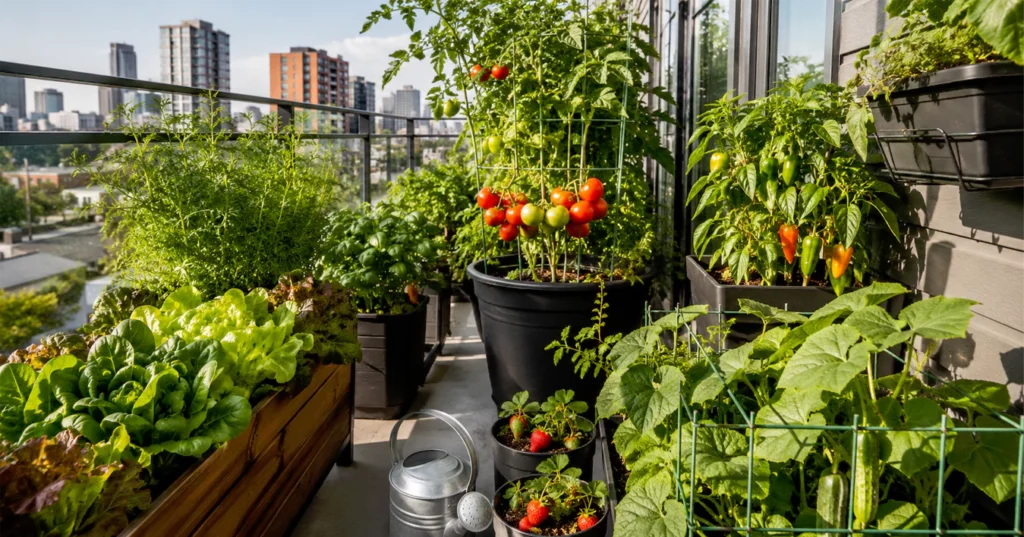
Many apartment dwellers assume they need a backyard to grow vegetables successfully. With limited outdoor space, it can feel impossible to produce enough food to make gardening worthwhile.
The good news is that many vegetables actually thrive in containers and compact growing spaces. A small balcony can provide enough room to harvest fresh salads, tomatoes, peppers, and herbs throughout the growing season.
In this guide, you’ll discover the best vegetables to grow on a small balcony, how much space they require, and which crops offer the biggest harvests for beginner gardeners.
The best vegetables to grow on a small balcony are lettuce, cherry tomatoes, peppers, cucumbers, spinach, carrots, green onions, kale, radishes, and bush beans. These crops adapt well to containers, require relatively little space, and can produce surprisingly large harvests when provided with adequate sunlight, quality potting mix, and consistent watering.
| Vegetable | Container Size | Sunlight | Difficulty | Harvest Time |
|---|---|---|---|---|
| Lettuce | 1–2 Gallons | 4–6 Hours | Easy | 30–45 Days |
| Cherry Tomatoes | 5 Gallons | 6–8 Hours | Medium | 70–90 Days |
| Peppers | 3–5 Gallons | 6–8 Hours | Easy | 60–90 Days |
| Cucumbers | 5 Gallons | 6–8 Hours | Medium | 50–70 Days |
| Carrots | 3 Gallons | 6+ Hours | Easy | 60–80 Days |
| Spinach | 1–2 Gallons | 4–6 Hours | Easy | 30–45 Days |
| Green Onions | 1 Gallon | 4+ Hours | Very Easy | 30–60 Days |
| Kale | 3 Gallons | 4–6 Hours | Easy | 50–70 Days |
| Radishes | 1–2 Gallons | 4–6 Hours | Very Easy | 25–35 Days |
| Bush Beans | 3 Gallons | 6+ Hours | Easy | 50–60 Days |
Before choosing vegetables, it’s important to understand why many beginner balcony gardens struggle.
Large pumpkins, corn, and sprawling squash plants often overwhelm small balconies.
Many fruiting vegetables require at least six hours of direct sunlight daily.
Restricted root growth leads to smaller plants and reduced harvests.
Too many plants compete for water, nutrients, and airflow.
Containers dry out faster than garden beds, especially during summer.
Lettuce is one of the easiest vegetables for balcony gardeners.
Why it’s great:
Recommended container depth: 6–8 inches
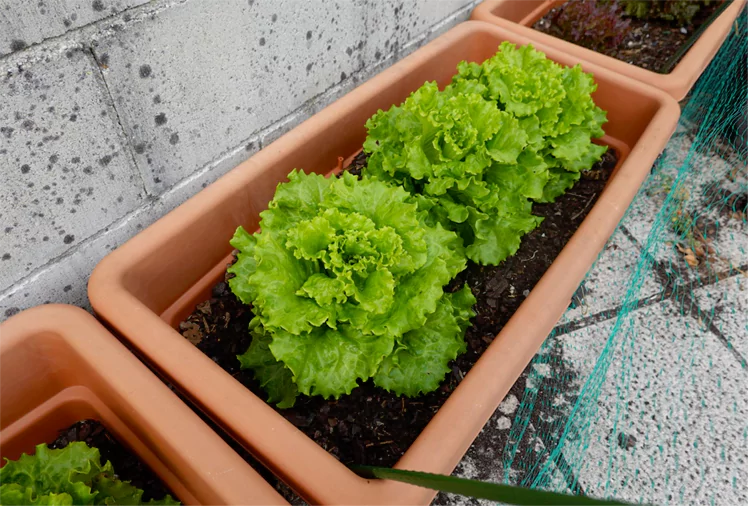
Mixed lettuce varieties growing in balcony planter boxes.
Cherry tomatoes offer one of the highest yields per square foot.
Benefits:
Recommended container: 5-gallon bucket or larger.
| Variety | Type | Height | Container Friendly |
| Tiny Tim | Cherry | 18 in | Excellent |
| Patio Princess | Slicing | 24 in | Excellent |
| Tumbling Tom | Cherry | 12–18 in | Excellent |
| Roma | Paste | 36 in | Very Good |
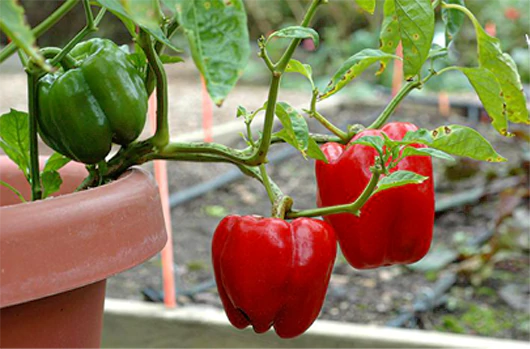
Both sweet peppers and hot peppers thrive in containers.
Advantages:
Recommended container size: 3–5 gallons.
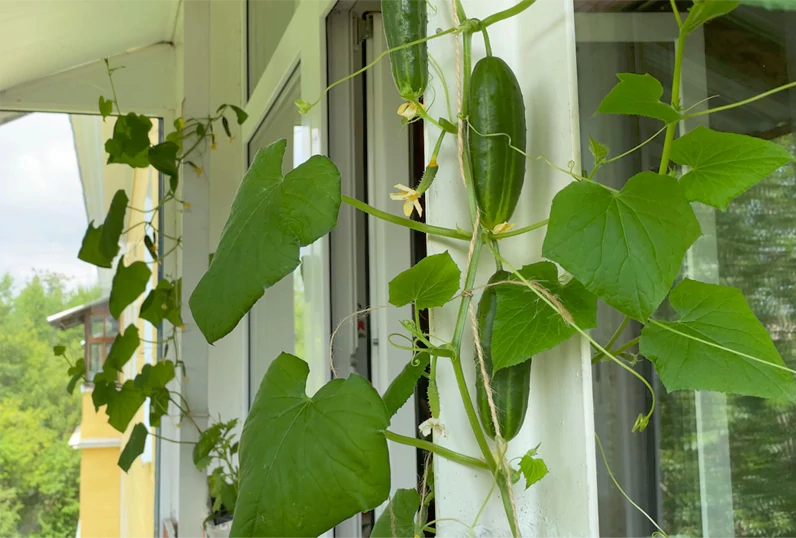
Cucumbers may seem large, but compact varieties grow extremely well vertically.
Benefits:
Recommended support:
A vertical trellis or balcony railing system.
Many gardeners are surprised to learn carrots grow well in containers.
Best varieties:
Container depth:
At least 12 inches.
Spinach grows quickly and tolerates cooler temperatures.
Ideal for:
One of the simplest vegetables for beginners.
Advantages:
Kale continues producing leaves for months.
Benefits:
If you want quick results, choose radishes.
Ready to harvest in:
25–35 days.
Perfect for beginner confidence.
Bush beans offer surprisingly high yields in small spaces.
Benefits:
| Balcony Condition | Recommended Crops |
| Full Sun (6–8+ Hours) | Tomatoes, Peppers, Cucumbers, Beans |
| Partial Shade (4–6 Hours) | Lettuce, Kale, Spinach |
| Windy Balcony | Kale, Bush Beans, Chard |
| Small Balcony (<50 sq ft) | Lettuce, Radishes, Green Onions |
| Hot Climate | Peppers, Tomatoes, Beans |
| Cool Climate | Lettuce, Kale, Spinach |
Expected Harvest Table
| Crop | Typical Yield |
| Cherry Tomato | 10–20 lbs |
| Pepper Plant | 20–50 peppers |
| Lettuce | Multiple cuttings |
| Cucumber | 10–20 fruits |
| Kale | Continuous harvest |
| Bush Beans | 1–2 lbs |
Understanding expected yields helps gardeners plan realistic harvest goals.
Focus on compact and container-friendly varieties.
Every container must have drainage holes.
Overwatering is just as harmful as underwatering.
Use shelves, trellises, and hanging baskets whenever possible.
Master a few vegetables before expanding.
| USDA Zone | Growing Recommendation |
| Zones 3–5 | Start seeds indoors |
| Zones 6–8 | Ideal growing conditions |
| Zones 9–11 | Protect plants from extreme summer heat |
Knowing your USDA zone helps you plant at the correct time and maximize harvests.
Lettuce is often considered the easiest because it grows quickly and tolerates partial shade.
Yes. Compact tomato varieties perform exceptionally well in containers.
Most vegetables need between 4 and 8 hours of direct sunlight daily.
Lettuce, spinach, kale, and green onions are excellent choices.
Absolutely. A well-planned balcony garden can provide regular harvests of fresh vegetables throughout the growing season.
Download our free guide and get:
✅ Balcony Garden Setup Checklist
✅ Container Size Cheat Sheet
✅ USDA Zone Planting Calendar
✅ Beginner Gardening Mistakes Guide
✅ Balcony Watering Schedule
Our Balcony Vegetable Gardening Masterclass teaches step-by-step methods for growing tomatoes, peppers, cucumbers, lettuce, strawberries, onions, carrots, grapes, and more in containers and small spaces.
Learn proven systems, avoid costly mistakes, and start harvesting fresh food from your balcony with confidence.
At YardVeggie, we focus on helping apartment dwellers and small-space gardeners grow more food with less space.
Our team researches container gardening methods, balcony growing systems, and high-yield vegetable production techniques specifically designed for urban environments.
We believe anyone can grow fresh, organic food—even on a small balcony.
Learn more at: