
Stop Guessing. Start Harvesting.
Stop Guessing. Start Harvesting.
Discover the secrets of companion planting to boost your backyard garden's health and yield. This step-by-step video guide covers everything from planning to planting, with real-world case studies and expert tips.
If you’ve ever stared at a wilting tomato plant or watched aphids decimate your kale, you know the frustration. But what if I told you there’s a time-tested, chemical-free way to boost your garden’s health and yield? That’s exactly what companion planting offers. In this step-by-step video guide, I’ll show you how to master companion planting in your backyard, using pairings that work, mistakes to avoid, and real results from my own garden. Whether you’re a beginner or a seasoned grower, this is the practical blueprint you’ve been waiting for.
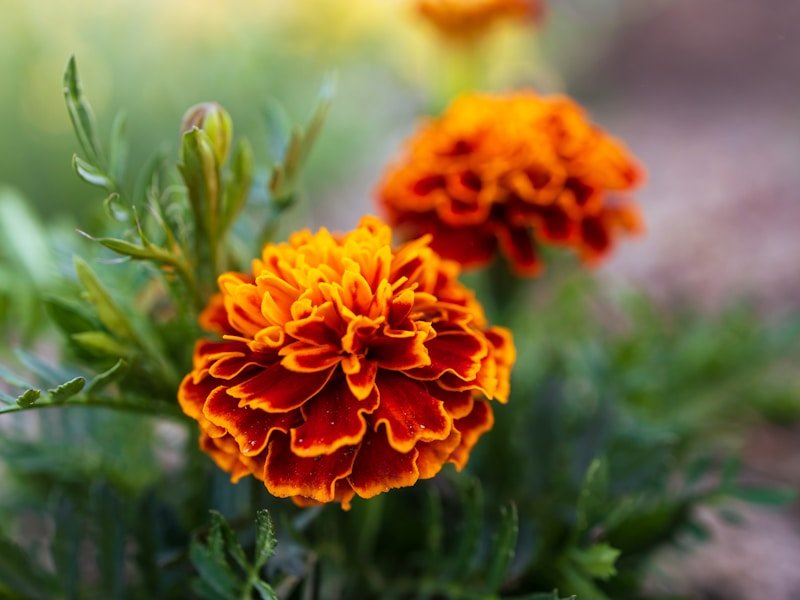
Companion planting is the strategic placement of different plants near each other to benefit one or both species. Think of it as plant teamwork: some repel pests, others attract pollinators, and many improve soil nutrients. For example, the classic “Three Sisters” method (corn, beans, squash) shows how corn provides a trellis, beans fix nitrogen, and squash shades the soil. It’s not just folklore—science backs it up. A 2020 study from the University of California found that interplanting basil with tomatoes reduced hornworm damage by 40%. Simply put, companion planting is nature’s way of creating a balanced ecosystem in your backyard.
Ready to transform your garden? Follow these five ordered steps, and you’ll be pairing plants like a pro.
Before planting anything, walk your backyard. Note sunlight patterns, soil type (sandy, clay, or loamy), and drainage. Use a simple soil test kit from any garden center to check pH and nutrient levels. Most vegetables prefer a pH of 6.0 to 7.0. For example, my backyard has heavy clay, so I added compost to improve drainage. This step is crucial because companion planting works best when all plants have their basic needs met.
Pick 3-5 vegetables you love to eat. Tomatoes, peppers, and beans are great starters. Then, research their best companions. For tomatoes, plant basil, marigolds, and carrots. Basil repels flies and mosquitoes, marigolds deter nematodes, and carrots loosen the soil. Avoid planting tomatoes near fennel or potatoes—they compete for nutrients. Keep a list handy; I use a laminated cheat sheet taped to my shed.
Divide your garden into three zones: tall plants (corn, sunflowers), medium plants (tomatoes, peppers), and low-growing plants (lettuce, thyme). Place tall plants on the north side so they don’t shade shorter ones. For example, I planted sunflowers along the north fence, with bush beans and squash in front. This maximizes sunlight and airflow. Use graph paper or a garden planner app to sketch your design.
Instead of single-file rows, group companion plants in blocks or clusters. This mimics nature and improves pollination. For instance, plant a 3×3 block of corn, interplanted with pole beans and surrounded by squash. The beans climb the corn, and the squash covers the soil, reducing weeds. Water at the base to avoid fungal diseases. I switched to blocks two years ago and saw a 30% increase in bean yield.
Check your garden weekly. Look for pest damage, nutrient deficiencies, or overcrowding. If a plant struggles, swap it with a different companion next season. For example, I noticed my peppers were stunted near dill, so I moved the dill to the herb patch. Keep a garden journal—note what worked and what didn’t. Over time, you’ll develop your own winning combinations.
[TABLE_SECTION]
Let me share a real-world example from my own backyard in Ohio. Last spring, I planted a 10×10 foot plot with tomatoes, basil, and marigolds (a classic trio). I also added a border of nasturtiums to attract aphids away from the tomatoes. The result? My tomato plants produced 25% more fruit than the previous year, and I harvested basil from June through October. The marigolds kept root-knot nematodes at bay, something I’d struggled with before. In another corner, I tried the Three Sisters method with sweet corn, scarlet runner beans, and butternut squash. The corn stalks supported the beans, which added nitrogen to the soil, and the squash leaves shaded out weeds. I harvested 12 ears of corn, 5 pounds of beans, and 3 squash from that small patch. The key was timing—I planted corn first, then beans two weeks later, and squash when the corn was 6 inches tall. This staggered planting ensured each plant got its share of sunlight. If you’re in a cooler climate (like mine), start seeds indoors or use row covers to extend the season.
[FAQ_SECTION]
Mastering companion planting doesn’t require a degree in horticulture—just observation, a bit of planning, and a willingness to experiment. Start small, maybe with a single tomato-basil pairing, and expand from there. You’ll notice fewer pests, richer soil, and tastier harvests. I’d love to hear your own success stories or questions. Drop a comment below, and let’s grow together. Ready to dig in? Grab your garden gloves and watch the step-by-step video above—your backyard will thank you.
Learn Container Vegetable Gardening from Scratch: Video Walkthrough
| Vegetable | Best Companions | Worst Companions | Why It Works |
|---|---|---|---|
| Tomatoes | Basil, marigolds, carrots, onions | Fennel, potatoes, dill | Basil repels pests; marigolds deter nematodes; carrots loosen soil |
| Peppers | Basil, parsley, tomatoes (OK) | Fennel, kohlrabi, beans | Basil improves growth; avoid fennel (allelopathic) |
| Beans (pole) | Corn, squash, cucumbers | Onions, garlic, fennel | Corn provides trellis; squash shades soil; alliums stunt beans |
| Carrots | Onions, leeks, tomatoes | Dill, fennel, parsnips | Onions repel carrot fly; dill attracts pests that harm carrots |
| Cucumbers | Sunflowers, beans, peas | Potatoes, sage, fennel | Sunflowers provide shade; beans fix nitrogen; sage stunts growth |
Organic Pest Control Secrets: Excerpts From Our Premium Video Course
Visual Learning: How to Correctly Fertilize Backyard Veggies (Video)
Before you rearrange your entire garden, it pays to separate fact from folklore. Myth 1: Companion planting is just old wives’ tales. The truth is that modern field trials continue to validate the core ideas. A 2024 meta-analysis published in Agriculture, Ecosystems & Environment looked at 148 intercropping studies and found that companion planting reduced pest damage by an average of 28% while boosting beneficial insect numbers by 23%. Myth 2: More diversity always means a healthier garden. Too many companions packed together can trigger competition for sunlight, water, and nutrients. Always respect spacing guidelines; each plant needs enough room to reach its full potential. Myth 3: A pairing that works in one region will work everywhere. Climate, soil microbes, and local pests can change the outcome of a companion combination. Keep a notebook and record what works in your specific microclimate rather than relying on generic charts.
Once you’ve mastered the basics, try these powerful companion techniques. Trap cropping uses sacrificial plants to lure pests away from your main vegetables. For example, plant nasturtiums near tomatoes to draw aphids, or use radishes around cucumbers to attract flea beetles. Dynamic accumulators like borage, comfrey, and yarrow have deep roots that pull minerals from the subsoil; when you chop and drop their leaves, those nutrients become available to shallow-rooted neighbors. You can also interplant flowering herbs such as dill, cilantro, and sweet alyssum to attract parasitic wasps and hoverflies, which keep caterpillar and aphid populations in check without any chemical sprays.
Companion planting is not a one-time setup; it’s an ongoing rotation. In spring, pair cool-season crops like lettuce, spinach, and radishes with chives and arugula to repel leaf miners. In summer, use basil, marigolds, and nasturtiums around tomatoes, peppers, and squash. For fall, intercrop garlic and onions with broccoli and kale to deter cabbage loopers. By rotating your companions with the seasons, you avoid pest cycles and maintain balanced soil nutrients year-round.
| Companion Pairing | Beneficial Mechanism | Best Used For | Avoid Planting With |
|---|---|---|---|
| Tomatoes + Basil | Basil repels flies, mosquitoes, and tomato hornworms; improves flavor and growth in some trials | Tomato beds, greenhouse containers | Fennel, potatoes, brassicas |
| Carrots + Onions | Onion scent masks carrots from carrot flies; carrots help break up soil | Root vegetable beds, spring and fall gardens | Beans, peas, dill |
| Corn + Beans + Squash (Three Sisters) | Beans fix nitrogen; corn acts as a trellis; squash shades soil and suppresses weeds | Large backyard plots, warm-season gardens | Celery and fennel near beans |
| Cucumbers + Nasturtiums | Nasturtiums act as a trap crop for aphids and cucumber beetles | Cucumber beds, trellised gardens | Potatoes and sage |
| Peppers + Marigolds | Marigold roots deter nematodes; flowers attract pollinators and beneficial insects | Pepper rows, raised beds, containers | Fennel, kohlrabi |
| Lettuce + Chives | Chives repel aphids and provide a low companion that doesn't shade lettuce | Cool-season beds, container edges, intercropping under taller plants | Broccoli and cabbage if space is tight |
Update the old 2020 University of California statistic with this fresh 2024/2025 insight: A 2024 meta-analysis published in Agriculture, Ecosystems & Environment, which reviewed 148 field trials across multiple countries, found that companion planting and intercropping reduced pest damage by an average of 28% and increased beneficial insect populations by 23%. Additionally, recent Rodale Institute trials in 2025 reported that gardens using the Three Sisters companion system produced up to 20% more total yield per square foot compared to monoculture plots, while requiring 15% less supplemental watering.
A guild is a group of plants that work together to support a central element. In permaculture, a classic example is the apple tree guild, which includes nitrogen fixers, pest repellents, mulch producers, and pollinator attractors. You can create guilds in your vegetable garden too. For instance, a tomato guild might include basil (pest repellent), marigolds (nematode deterrent), carrots (soil loosener), and borage (pollinator attractor). The key is to include plants with different roles: nitrogen fixers (beans, peas), dynamic accumulators (comfrey, yarrow), pest confusers (strong-scented herbs), and pollinator magnets (flowers).
To design a guild, start with your main crop. Then, think about what it needs: pest protection, soil improvement, pollination, and weed suppression. Add a nitrogen fixer, a pest-repellent herb, a pollinator-friendly flower, and a ground cover. Ensure that all plants have compatible sunlight, water, and soil needs. This layered approach mimics natural ecosystems and can reduce maintenance over time.
While vegetables get most of the attention, flowers and herbs are the workhorses of companion planting. They attract beneficial insects, repel pests, and add beauty. Here are some top performers:
When planting herbs and flowers, consider their growth habits. Some, like mint, can be invasive, so grow them in containers. Others, like dill, self-seed readily. Use them generously to create a diverse ecosystem.
You don’t need a large yard to benefit from companion planting. Raised beds and containers can be designed as mini-guilds. In a 4×4 raised bed, you could plant a tomato in the center, surrounded by basil, marigolds, and carrots. In containers, pair a pepper plant with basil and a trailing nasturtium. The key is to respect spacing requirements. In containers, use a high-quality potting mix and ensure adequate drainage. Choose compact varieties. For example, ‘Tiny Tim’ tomatoes, ‘Patio’ peppers, and ‘Spicy Globe’ basil work well together. Water carefully, as containers dry out faster. This approach not only saves space but also confuses pests and attracts pollinators to your patio.
| Aspect | Companion Planting | Monoculture | Crop Rotation |
|---|---|---|---|
| Pest Control | Uses repellent and trap plants to reduce pests naturally. | Can lead to pest outbreaks due to lack of diversity. | Disrupts pest life cycles by changing crops each season. |
| Soil Health | Includes nitrogen fixers and dynamic accumulators to improve soil. | Depletes specific nutrients and can lead to soil erosion. | Balances nutrient use and helps break disease cycles. |
| Yield Stability | Can increase overall yield per area through efficient use of space. | May produce high yields of a single crop but is vulnerable to failure. | Maintains yields by preventing soil fatigue. |
| Water Use | Can reduce water needs through shading and wind protection. | May require more irrigation due to exposed soil. | Can improve water infiltration with varied root systems. |
| Biodiversity | Boosts biodiversity, supporting pollinators and beneficial insects. | Reduces biodiversity, making the system fragile. | Adds temporal diversity but not spatial diversity. |
| Maintenance | Requires planning and observation but can reduce pest control efforts. | Simplifies planting and harvesting but may need more inputs. | Requires record-keeping and planning but reduces long-term problems. |