Stop Guessing. Start Harvesting.
Stop Guessing. Start Harvesting.
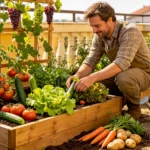
Micro-gardening in small backyards turns cramped outdoor areas into productive food sources. I’ve grown tomatoes, peppers, and herbs in a 10x10-foot space using simple techniques. This guide covers everything from planning to harvesting.
When I first moved into my house, the backyard was barely bigger than a parking spot. I had visions of sprawling vegetable beds, but reality was a concrete slab and a tiny patch of dirt. That’s when I discovered micro-gardening in small backyards. It’s not about how much land you have—it’s about how smart you use it. Micro-gardening in small backyards means growing food intensively in confined spaces, often using vertical structures, containers, and succession planting. If you’re tired of staring at a barren patio or a weedy corner, this approach can turn even the smallest yard into a mini farm. I’ve harvested over 50 pounds of produce from a 10×10-foot area, and you can too.
Micro-gardening in small backyards is a method of growing vegetables, herbs, and fruits in extremely limited spaces. It focuses on maximizing yield per square foot through techniques like vertical growing, container gardening, and intercropping. Unlike traditional gardening, where you need large plots, micro-gardening works on patios, balconies, or tiny lawns. The key is to treat every inch as valuable real estate. For example, a 4×4-foot raised bed can produce enough lettuce, radishes, and carrots for a family of four if planned correctly. This approach is perfect for urban dwellers, renters, or anyone with a postage-stamp yard.
Getting started with micro-gardening in small backyards doesn’t require a green thumb or a big budget. I’ve broken it down into five simple steps that worked for me and many others. Follow these, and you’ll be harvesting in weeks.
Let me share a real story. My neighbor Sarah has a 12×15-foot backyard in Portland with a deck and a narrow strip of soil. She wanted to grow her own salad greens but thought it was impossible. We set up three 4×4-foot raised beds along the fence, added a vertical trellis for cucumbers, and used hanging baskets for strawberries. She planted a mix of arugula, kale, cherry tomatoes, and basil. Within 60 days, she was harvesting 2 pounds of greens per week. By the end of summer, she had over 80 pounds of produce—enough to share with friends. Her total investment was about $200 for lumber, soil, and seeds. Another example: I helped a family in a 300-square-foot backyard in Chicago grow 30 tomato plants using five-gallon buckets and a custom trellis system. They got 120 pounds of tomatoes from June to September. The secret? Consistent watering and pruning.
[TABLE_SECTION]
[FAQ_SECTION]
Micro-gardening in small backyards proves that size doesn’t limit your harvest. By using smart techniques like vertical growing, intensive planting, and choosing the right crops, you can turn a tiny space into a productive garden. I’ve seen it work in my own yard and for countless others. The key is to start small, stay consistent, and enjoy the process. If you have a patch of dirt or a sunny deck, give it a try. I’d love to hear about your experiences—drop a comment below with your micro-gardening wins or questions. Happy growing!
Best Vegetables for Partial Shade Patio: Top Picks for Low-Light Gardens
| Method | Space Needed | Yield per Square Foot | Cost Estimate | Best For |
|---|---|---|---|---|
| Raised Beds | 4×4 feet minimum | 5-10 lbs | $50-$150 | Leafy greens, root veggies |
| Container Gardening | 2×2 feet per pot | 3-7 lbs | $20-$80 | Tomatoes, peppers, herbs |
| Vertical Trellis | 2×2 feet base | 8-12 lbs | $10-$50 | Cucumbers, beans, squash |
| Hanging Baskets | 1×1 foot per basket | 2-4 lbs | $10-$30 | Strawberries, cherry tomatoes |
| Hydroponics | 3×3 feet system | 10-15 lbs | $100-$300 | Lettuce, greens, herbs |
Optimal Sunroom Setup for Plants: A Complete Guide to Creating a Thriving Indoor Garden
The Best Small Backyard Fruit Trees for Tight Spaces: A Gardener’s Guide to Big Harvests
Even the most enthusiastic gardeners make errors when starting out. Here are the pitfalls I’ve seen—and how to steer clear of them:
| Crop | Space Needed | Days to Harvest | Expected Yield | Best Season |
|---|---|---|---|---|
| Cherry Tomatoes | 1 plant per 5-gallon bucket | 60–70 days | 10–30 lbs/plant | Summer |
| Leaf Lettuce | 4–6 plants per square foot | 30–45 days | 2–4 lbs per 4 sq ft | Spring/Fall |
| Radishes | 9–16 plants per square foot | 25–35 days | 1–2 lbs per 2 sq ft | Spring/Fall |
| Bush Beans | 4–6 plants per square foot | 50–60 days | 2–4 lbs per 4 sq ft | Summer |
| Cucumbers | 1 plant per large pot or trellis | 50–70 days | 5–10 lbs/plant | Summer |
| Strawberries | 1 plant per 6-inch pot | 80–90 days | 1–2 lbs/plant | Spring/Summer |
Micro-gardening isn’t just a trend—it’s a proven way to maximize limited space. Expert gardeners report that intensive planting and vertical growing can increase yields to 1–2 pounds of produce per square foot, meaning a modest 10×10-foot micro-garden can produce 100 to 200 pounds of vegetables each season.