Stop Guessing. Start Harvesting.
Stop Guessing. Start Harvesting.
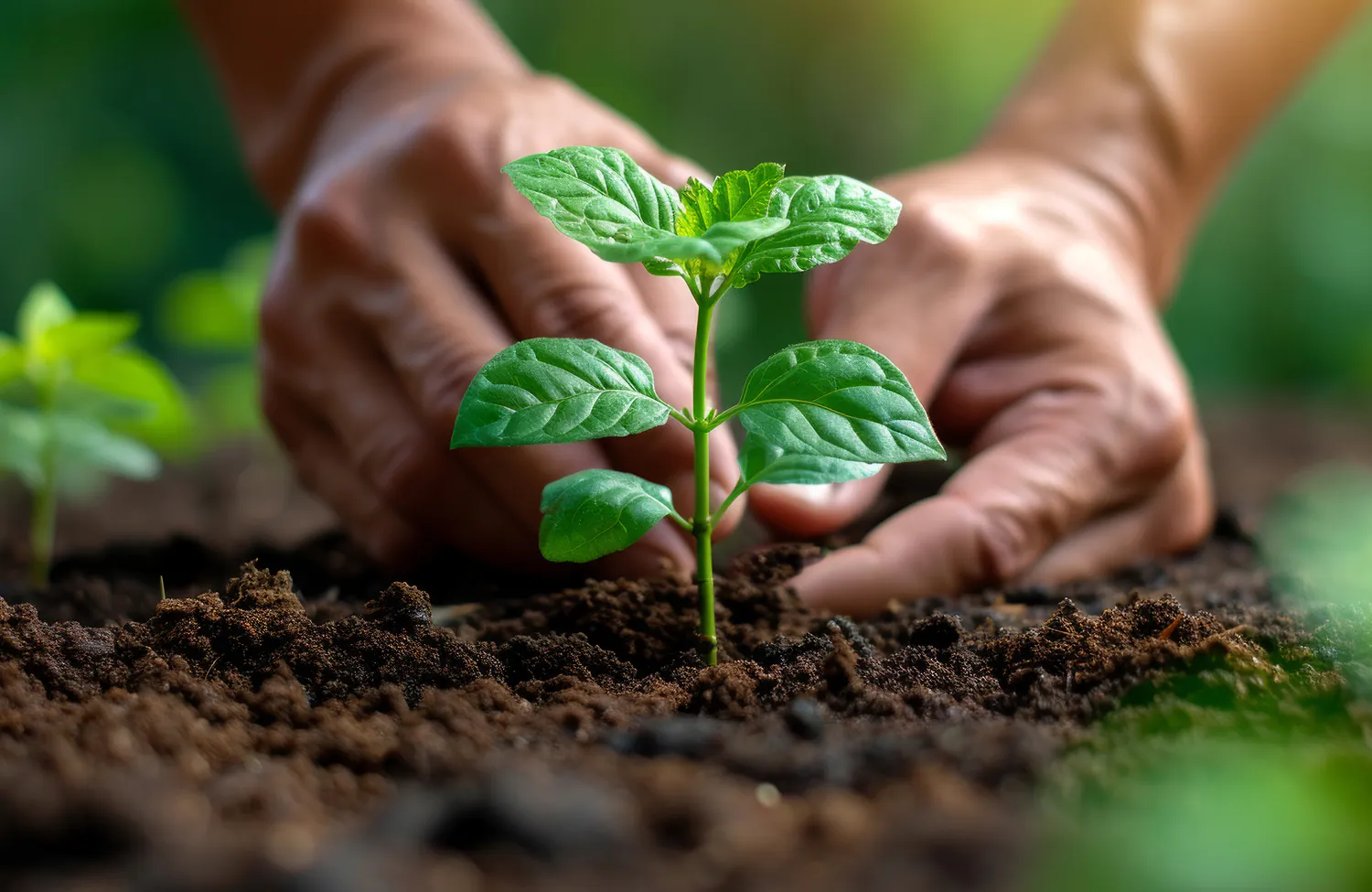
The Ultimate Seasonal Guide to Growing Organic Vegetables in Pots: From Seed to High-Yield Harvest
Do you dream of walking out to your balcony and picking a warm, sun-ripened tomato or a crisp cucumber for your dinner salad? For many urban dwellers, the lack of a massive backyard feels like an immediate dealbreaker. However, the global surge in balcony gardening for beginners and small backyard vegetable plots proves that you do not need acres of land to achieve self-sufficiency. In fact, cultivating your own food in limited spaces is often the best way to control soil quality and bypass skyrocketing supermarket prices.
As we enter peak growing season, timing and strategy are everything. Whether you are searching for the best crops for small patios or trying to maximize your vertical space, this comprehensive, data-driven blueprint will take the guesswork out of your seasonal garden. Let’s transform your limited outdoor space into a thriving, chemical-free organic oasis.
When it comes to growing food on a balcony apartment or setup, success begins with selecting the right plants for the current season. Right now, during the warm frost-free months, warm-season crops thrive. However, stuffing a giant vining plant into a tiny window box is a recipe for disaster. You must align your space limitations with specific plant genetics.
For small-scale urban micro-climates, always look for terms like “dwarf,” “bush,” “patio,” or “determinate” on seed packets. These varieties have been naturally bred to provide a high yield without taking over your limited living area.
| Crop Type | Best Variety for Containers | Space/Pot Size Required | Ideal Sunlight Hours | Expected Harvest Window |
| Tomatoes | Bush Early Girl / Tiny Tim | 5 Gallon Pot (Minimum) | 6–8 Hours (Full Sun) | 60–70 Days |
| Cucumbers | Spacemaster / Patio Snacker | 3–5 Gallon (Trellis needed) | 6 Hours | 50–60 Days |
| Bell Peppers | California Wonder / Pot-a-Peno | 3 Gallon Pot | 7–8 Hours (High Heat) | 70–80 Days |
| Leafy Greens | Black Seeded Simpson / Kale | Shallow Window Boxes | 4–5 Hours (Partial Shade) | 30–40 Days (Continuous) |
A common pitfall found in small backyard vegetable garden troubleshooting forums is the use of standard dug-up garden soil in containers. Native garden soil is far too heavy; it compacts instantly in a pot, suffocating delicate root systems and leading to root rot. To achieve a high-yield organic vegetable harvest in containers, you must create a lightweight, fluffy, and nutrient-dense growing medium.
Think of your pot as a closed loop ecosystem. Since nutrients wash away with every watering cycle, the foundation must be structurally perfect.
Pro Tip for Fruiting Crops: Mix a handful of organic bone meal (rich in phosphorus) and agricultural lime (calcium) into the bottom half of the pot before transplanting your tomatoes and peppers. This single trick completely prevents Blossom End Rot later in the season.
To rank high on Google and satisfy the step-by-step small scale gardening guides search intent, your execution must be flawless. Follow this strict seasonal timeline to ensure your seeds sprout and your starter plants transition without experiencing transplant shock.
If you bought starter plants from a local nursery, do not plant them outside immediately. They have been coddled in a greenhouse. Place them outside on your patio for 2 hours on day one, 4 hours on day two, gradually increasing exposure over a week. This eliminates transplant shock completely.
When moving tomatoes into their final 5-gallon pots, bury them deeply—right up to their first set of true leaves. Tomatoes have the unique ability to grow adventitious roots all along their buried stems. This creates a massive, resilient root system capable of anchoring heavy fruit loads. For peppers and cucumbers, however, plant them at the exact same depth they were in their nursery pots.
Space is currency when maximizing a small porch vegetable garden layout. Install your stakes, tomato cages, or vertical trellises immediately upon transplanting. Waiting until the plant is large will result in root damage when you force the stakes into the established root zone.
The most highly searched phrase regarding urban vegetable container gardening care centers around irrigation. Containers dry out exponentially faster than traditional backyard dirt beds. During the peak summer heat, a 5-gallon pot on a windy apartment balcony can lose its moisture within a matter of hours.
However, overwatering is just as deadly. The golden rule is consistency. Avoid the “yo-yo diet” of letting the soil bone-dry and then drowning it, which causes fruit cracking and skin splitting in tomatoes and melons.
Because you are growing in close quarters on a balcony or porch, pests like aphids, spider mites, and fungus gnats can spread fast. In 2026, global buyers reject chemical pesticides. Instead, mix one tablespoon of organic, cold-pressed Neem Oil with a few drops of mild castile soap in a spray bottle of warm water. Spray your crops thoroughly in the evening (never during direct sunlight) once every two weeks as a natural shield.
Even with the best intentions, urban growers often fall victim to generic advice that doesn’t apply to restricted micro-climates. Avoid these critical mistakes to save your harvest:
Yes! While fruiting crops like tomatoes and peppers demand at least 6–8 hours of intense, direct sunlight, leafy greens and root vegetables thrive in partial shade. If your balcony only receives 4 hours of light, focus on spinach, kale, leaf lettuce, radishes, and Swiss chard.
For a successful harvest, the absolute minimum size for a standard tomato or vining cucumber is a 5-gallon container (roughly 12 inches deep and 12 inches wide). Planting them in small pots restricts root growth, meaning the plant will dry out too fast and drop its flowers before setting fruit.
This is known as blossom drop. It is typically triggered by environmental stress—either temperature extremes (consistent days above 90°F/32°C or nights below 55°F/13°C) or highly erratic watering patterns. Ensure you mulch your pots to stabilize soil temperatures and moisture levels.
Physical barriers and companion planting are your best organic defenses. Use lightweight insect netting over young crops to block root flies and beetles. Additionally, plant marigolds and basil in the same containers; their natural aromatic oils are highly effective at repelling aphids and whiteflies.
Mastering a seasonal container vegetable garden is a deeply rewarding journey. It connects you directly with the food on your plate and offers a sustainable, chemical-free lifestyle right outside your kitchen door. Don’t let a lack of backyard space hold you back any longer.
Ready to fast-track your success and avoid costly trial-and-error? [Enroll in our Premium Container Gardening Masterclass today] to get instant access to step-by-step video tutorials, downloadable seasonal micro-climate calendars, and custom troubleshooting blueprints designed specifically for small-space growers!. Venenatis a condimentum vitae sapien pellentesque habitant. Faucibus nisl tincidunt eget nullam non nisi.