
Stop Guessing. Start Harvesting.
Stop Guessing. Start Harvesting.
Wondering what size container you need for your patio vegetable garden? This guide breaks down the best pot sizes for every veggie, from tiny herbs to sprawling tomatoes, so you can grow a thriving mini-farm on your balcony or deck.
I still remember my first attempt at growing tomatoes on my apartment balcony. I bought a cute little pot—maybe 8 inches wide—and planted a cherry tomato seedling with high hopes. Within weeks, the leaves turned yellow, the fruit stayed tiny, and the whole thing looked sad. A friend who’d been gardening for decades took one look and said, ‘Your container size for vegetables is way too small. That tomato needs at least a 5-gallon pot, probably bigger.’ That was my crash course in patio container size for vegetables.
If you’re dreaming of fresh salads, juicy tomatoes, and crisp peppers from your own patio, the single most important factor is the container size for vegetables you choose. Too small, and your plants will be stunted, thirsty, and nutrient-starved. Too big, and you might waste soil and space. The sweet spot depends on what you’re growing. In this guide, I’ll share exactly what sizes work for different veggies, how to match pots to plants, and real-world tips from my own small-space garden experiments.
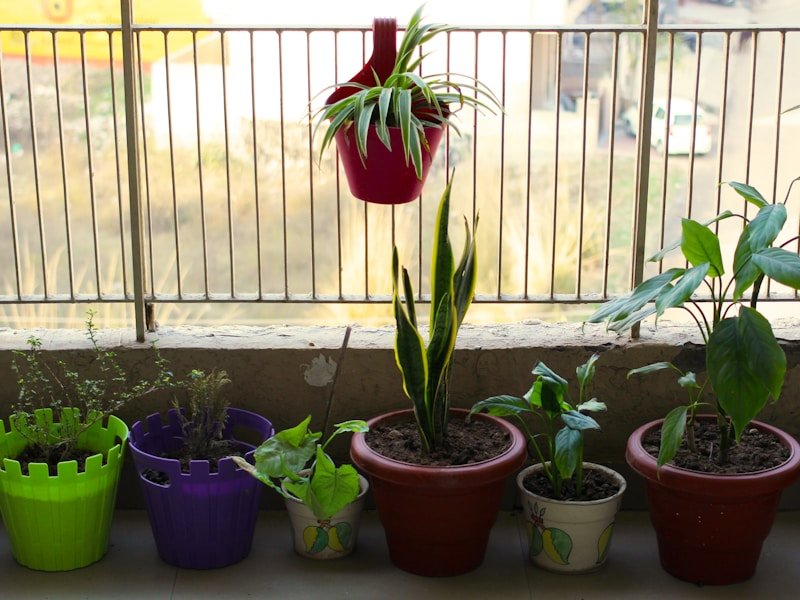
Patio container size for vegetables refers to the volume and dimensions of pots, planters, or containers used to grow edible plants in limited outdoor spaces like balconies, decks, patios, or small yards. The size is typically measured in gallons or inches (diameter and depth). Getting the container size right is crucial because it determines how much root space, water retention, and nutrient availability your plants have. A container that’s too small restricts root growth, leads to rapid drying, and limits yields. A container that’s too large can stay too wet, risking root rot. The ideal size balances the plant’s mature root system with the container’s drainage and soil capacity.
Follow these five steps to match the perfect pot to your patio vegetable garden.
Last spring, I decided to turn my 6×8-foot concrete patio into a vegetable garden. I had six containers total. Here’s what I learned:
I planted one ‘Celebrity’ tomato in a 7-gallon fabric pot. I used a 50/50 mix of potting soil and compost. The plant grew 5 feet tall and produced over 40 tomatoes. Meanwhile, my neighbor used a 2-gallon pot for the same variety. Her plant stayed under 2 feet and gave only 8 tomatoes. The difference? Root space. That 7-gallon pot allowed roots to spread deep and wide, accessing water and nutrients even on 95°F days.
I planted two bell pepper plants in a 5-gallon plastic pot. They did okay, but the fruits were small. Next year, I gave each pepper its own 3-gallon pot. The yield doubled, and the peppers were thick-walled and sweet. Lesson: Don’t crowd peppers. They like personal space.
For leafy greens, I used a 12-inch-wide, 8-inch-deep window box. I planted a mix of lettuce, spinach, and arugula. I harvested every week for two months by cutting the outer leaves. The shallow depth was perfect. I kept the soil moist and used a liquid fertilizer every two weeks. That little box gave me salads for weeks.
[TABLE_SECTION]
[FAQ_SECTION]
Choosing the right patio container size for vegetables makes the difference between a sad, struggling plant and a thriving, productive one. Start with the root depth of your chosen veggies, match the pot volume to the mature plant size, and always prioritize drainage. Whether you’re growing a single cherry tomato in a 5-gallon pot or a salad garden in a shallow box, the container size is your foundation.
I’ve made the mistakes so you don’t have to. Now it’s your turn to fill those pots with soil, seeds, and hope. What vegetables are you planning to grow on your patio this season? Drop a comment below—I’d love to hear about your container garden adventures!
Micro-Gardening in Small Backyards: Grow More in Less Space
| Vegetable | Minimum Container Size (gallons) | Minimum Depth (inches) | Plants per Container |
|---|---|---|---|
| Tomato (determinate) | 5 | 12 | 1 |
| Tomato (indeterminate) | 7–10 | 14–18 | 1 |
| Pepper (bell or hot) | 3–5 | 10–12 | 1–2 |
| Lettuce & leafy greens | 1–2 | 6–8 | 3–5 |
| Radish | 1 | 6 | 5–7 |
| Carrot | 2–3 | 10–12 | 6–10 |
| Cucumber | 5 | 12 | 1–2 |
| Zucchini/summer squash | 5–7 | 12–14 | 1 |
| Bush beans | 3–5 | 8–10 | 3–4 |
| Herbs (basil, parsley, etc.) | 1–2 | 6–8 | 2–3 |
| Strawberries | 2–3 | 8–10 | 3–4 |
| Eggplant | 5 | 12 | 1 |
Best Vegetables for Partial Shade Patio: Top Picks for Low-Light Gardens
Urban Balcony Vegetable Garden: How to Grow Fresh Food in Small Spaces
Container size directly influences how often you need to water and fertilize your patio vegetables. Smaller containers have less soil volume, so they dry out faster and their nutrients leach away more quickly with each watering. A 1-gallon pot of lettuce might need watering twice a day in summer, while a 10-gallon pot of tomatoes can go two or three days between waterings. This is why larger containers are more forgiving, especially for busy gardeners.
Fertilizing frequency follows the same pattern. In a small pot, you may need to apply a liquid fertilizer every week or two because the roots quickly exhaust the limited nutrients. In a large pot, a slow-release fertilizer or a monthly liquid feed is often enough. Always follow the label directions, and remember that over-fertilizing can burn roots, just as under-fertilizing can stall growth.
If you tend to forget watering, choose larger containers or self-watering planters. If you prefer to water daily and enjoy the routine, smaller containers can work well for herbs, greens, and other quick crops. The key is to match container size to both your plants’ needs and your own gardening habits.
Even experienced gardeners make container size mistakes. Here are the most common ones and how to fix them:
Herbs and microgreens are perfect for patio gardens because they need less space than most vegetables. But they still have specific container size needs. Most culinary herbs do well in 1–3 gallon pots. Mint is a spreader, so give it its own pot to prevent it from taking over. Rosemary and thyme prefer slightly larger pots with excellent drainage. Microgreens are grown in shallow trays, only 1–2 inches deep, and harvested within weeks.
For a continuous herb supply, plant each herb in its own container. This lets you tailor watering and sun exposure to each plant. For example, basil loves water and sun, while rosemary prefers drier soil. A 2-gallon pot is a good all-purpose size for a single herb plant. If you want a mixed herb container, choose herbs with similar needs—like basil, parsley, and cilantro—and use a pot at least 5 gallons so each plant has room.
Microgreens are a bit different. You can grow them in shallow seed trays, recycled food containers, or even old baking pans. Just ensure they have drainage holes and are at least 1.5–2 inches deep to support the root mat. Since you harvest them before they need much root space, depth is less critical than for full-size plants.
| Herb | Minimum Container Size (gallons) | Minimum Depth (inches) | Plants per Container |
|---|---|---|---|
| Basil | 2–3 | 8–10 | 1–2 |
| Mint | 2–3 | 8–10 | 1 |
| Rosemary | 2–3 | 10–12 | 1 |
| Thyme | 1–2 | 6–8 | 1–2 |
| Cilantro | 1–2 | 8–10 | 2–3 |
| Parsley | 1–2 | 8–10 | 2–3 |
| Chives | 1–2 | 6–8 | 3–5 |
| Dill | 2–3 | 10–12 | 1 |
Container volume labels can be misleading. A ‘5-gallon’ pot may hold less than 5 gallons of soil if it’s measured to the rim. Always check the actual soil volume needed. Use this conversion: 1 US gallon = 0.134 cubic feet. A 1-cubic-foot bag of potting mix fills about 7.5 gallons of container volume, but allow extra for settling and a 1–2 inch headspace. When in doubt, choose a container 1–2 gallons larger than the minimum for your crop, especially in hot climates. For reference, a 5-gallon pot holds roughly 0.67 cubic feet of potting mix, and a 10-gallon pot holds about 1.34 cubic feet.