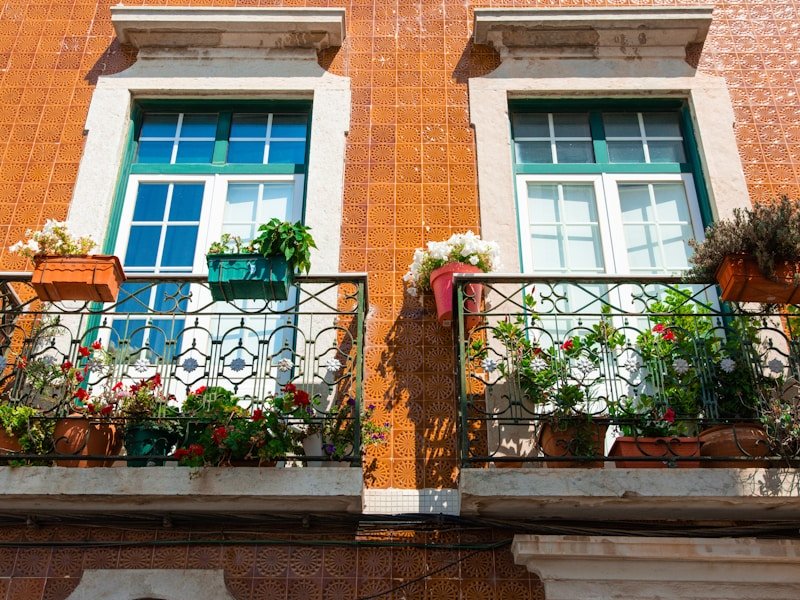
Urban Balcony Vegetable Garden: How to Grow Fresh Food in Small Spaces
Transform your small balcony into a thriving vegetable garden with this practical guide. Discover the best vegetables, step-by-step setup, watering tips, and real-life success stories from urban gardeners.
Have you ever looked at your tiny balcony and thought, “I wish I could grow my own vegetables”? You’re not alone. More city dwellers than ever are discovering the joy of an urban balcony vegetable garden. I remember my first attempt—a sad little basil plant that barely survived a week. But after years of trial and error, I’ve learned that even a 3×5-foot balcony can produce a surprising amount of fresh food. In this guide, I’ll share exactly how to start your own balcony vegetable garden, from choosing the right plants to harvesting your first crop. Whether you’re a complete beginner or have killed a few herbs already, this is for you.
What Is an Urban Balcony Vegetable Garden?
An urban balcony vegetable garden is exactly what it sounds like: a vegetable garden grown on a balcony, patio, or small outdoor space in a city or apartment setting. Instead of sprawling rows of soil, you use containers, pots, vertical planters, and hanging baskets to grow edible plants in limited square footage. Think of it as a mini farm that fits on your railing. The key difference from a traditional garden is that everything is portable, space-efficient, and tailored to the unique conditions of a balcony—like wind, shade from buildings, and limited floor space. It’s not just about saving money on groceries (though that’s a nice perk); it’s about reconnecting with where your food comes from, even if you live on the 10th floor.
How to Start an Urban Balcony Vegetable Garden
I’ve broken this down into five simple steps that have worked for me and dozens of other urban gardeners I’ve coached. Follow these, and you’ll be eating your own tomatoes in no time.
Assess Your Balcony’s Conditions – Before buying anything, spend a day observing your balcony. How many hours of direct sunlight does it get? Most vegetables need at least 6 hours. Morning sun is gentle, afternoon sun is intense. Check wind patterns—if it’s gusty, you’ll need sturdy containers and maybe a windbreak. Also note if your balcony is covered or exposed to rain. This step saves you from buying plants that will fail.
Choose the Right Containers and Soil – Use containers with drainage holes. For most veggies, a 5-gallon pot is ideal. I love fabric grow bags because they’re lightweight and prevent root rot. Never use garden soil in pots—it compacts and suffocates roots. Buy a high-quality potting mix that’s light and fluffy. Add slow-release organic fertilizer to give your plants a strong start.
Pick the Best Vegetables for Balconies – Not all veggies thrive in containers. Start with compact, fast-growing varieties. My top recommendations: cherry tomatoes (like ‘Tiny Tim’), bush beans, lettuce, radishes, peppers, and herbs like basil and mint. Avoid sprawling plants like pumpkins or corn. Look for labels that say “dwarf” or “patio”—they’re bred for small spaces.
Plant and Water Correctly – Follow seed packet instructions for depth and spacing. Water deeply until it drains from the bottom, then let the top inch of soil dry before watering again. Overwatering is the #1 killer of balcony gardens. I use a moisture meter to take the guesswork out. In hot weather, you may need to water twice a day—containers dry out fast.
Feed, Prune, and Harvest Regularly – Container plants need more fertilizer than in-ground ones. Use a liquid organic fertilizer every two weeks during the growing season. Pinch off dead leaves and harvest vegetables when they’re ripe—this encourages more production. Don’t be shy; picking often actually boosts yields.
Examples & Case Study: Real Balcony Gardens That Work
Let me share a story that still inspires me. My friend Sarah lives in a studio apartment in Brooklyn with a 4×6-foot balcony that gets only morning sun. She started her urban balcony vegetable garden two years ago with just three pots: one cherry tomato, one basil, and one lettuce. That first summer, she harvested over 15 pounds of tomatoes and enough basil for pesto every week. Last year, she expanded to eight pots using a vertical shelving unit and grew cucumbers, peppers, and even carrots in deep containers. Her total cost for setup was about $120 (pots, soil, seeds, and a small watering can). She saved roughly $200 on produce over the season—not a huge amount, but the taste difference was priceless.
Another case: Mark, a software engineer in San Francisco, has a north-facing balcony that gets only 3 hours of indirect light. Most gardeners would say forget it. But he focused on leafy greens and herbs that tolerate shade—spinach, kale, chard, and mint. He used a self-watering window box system and added a small LED grow light for extra hours. Last fall, he was harvesting salads every day for two months. His secret? He rotated crops and used a timer for the light. His total investment was around $200, but he says the mental health benefits of tending his garden were worth more than any grocery bill savings.
Numbers don’t lie: A study from the University of Florida found that a 10-square-foot container garden can produce up to 20 pounds of vegetables per season. That’s enough to supplement a single person’s vegetable intake for several months. The key is choosing high-yield, compact plants and giving them consistent care.
Comparison Table: Best Vegetables for Urban Balcony Gardens
[TABLE_SECTION]
FAQ About Urban Balcony Vegetable Gardens
[FAQ_SECTION]
Conclusion
Starting an urban balcony vegetable garden isn’t just about saving money or eating organic (though both are great). It’s about creating a small green sanctuary in the middle of concrete and noise. It’s about the pride of eating something you grew with your own hands. I’ve seen shy beginners become obsessed gardeners within one season. You can too.
Here’s my challenge to you: Pick one vegetable from the list above—maybe a cherry tomato or some lettuce—and plant it this weekend. Don’t overthink it. Use a pot, some good soil, and give it water and sunlight. Watch what happens. Then come back and tell me how it went in the comments below. I read every single one, and I’ll help you troubleshoot. Your balcony is waiting—go make it green.
Q: What vegetables grow best in a small balcony garden?
A: The best vegetables for small balconies are compact, fast-growing, and high-yielding. Top choices include cherry tomatoes (like 'Tiny Tim' or 'Sweet 100'), bush beans, leaf lettuce, radishes, peppers (especially small varieties like 'Thai Hot' or 'Jalapeño'), and herbs like basil, mint, and parsley. Look for labels that say 'dwarf,' 'patio,' or 'container-friendly.' Avoid large plants like pumpkins, corn, or full-sized squash.
Q: How much sunlight does a balcony vegetable garden need?
A: Most fruiting vegetables (tomatoes, peppers, cucumbers) need at least 6 to 8 hours of direct sunlight per day. Leafy greens and herbs can get by with 3 to 5 hours of direct sun or bright indirect light. If your balcony is shaded, focus on lettuce, spinach, kale, chard, and mint. You can also supplement with a small LED grow light to extend the day.
Q: What containers are best for a balcony garden?
A: Use containers with drainage holes to prevent root rot. Fabric grow bags are excellent because they're lightweight, breathable, and easy to store. Plastic or ceramic pots work too, but they can be heavy. For most vegetables, a 5-gallon container is ideal. For herbs and lettuce, a 1- to 2-gallon pot is sufficient. Self-watering containers are great if you tend to forget to water.
Q: How often should I water my balcony vegetable garden?
A: It depends on the weather, container size, and plant type. In hot summer months, small containers may need watering once or even twice a day. A good rule is to water deeply until water runs out the bottom, then wait until the top inch of soil feels dry before watering again. Using a moisture meter takes the guesswork out. Overwatering is more dangerous than underwatering.
Q: Can I grow vegetables on a balcony with no direct sunlight?
A: Yes, but your options are limited to shade-tolerant plants. Leafy greens like lettuce, spinach, arugula, and kale can thrive with 2-4 hours of indirect light. Herbs like mint, parsley, and chives also do well. You can also use a small grow light (LED or fluorescent) to provide supplemental light for 12-16 hours a day. Avoid fruiting plants like tomatoes or peppers in full shade.
Q: Do I need to fertilize my balcony vegetable garden?
A: Yes, container plants need regular feeding because nutrients wash out with watering. Use a balanced, water-soluble organic fertilizer (like fish emulsion or seaweed extract) every 2-3 weeks during the growing season. Slow-release granular fertilizer mixed into the soil at planting time also works well. Follow the package instructions to avoid over-fertilizing, which can burn roots.
Q: What are common pests in balcony gardens and how do I deal with them?
A: Common pests include aphids, spider mites, whiteflies, and fungus gnats. For aphids, spray plants with a strong stream of water or use insecticidal soap. Spider mites thrive in dry conditions—increase humidity by misting leaves. Neem oil works for many pests. Fungus gnats are a sign of overwatering—let soil dry out more. Always check new plants for pests before bringing them onto your balcony.
Q: How much does it cost to start an urban balcony vegetable garden?
A: You can start for as little as $30-50 if you reuse containers and buy seeds. A typical beginner setup with 3-5 pots, potting mix, seeds, and basic tools costs around $75-150. If you invest in self-watering containers, a vertical rack, and a grow light, expect $200-400. The savings on groceries can offset the initial cost within one growing season, especially if you grow high-value items like herbs and tomatoes.
Common Mistakes to Avoid in Your Urban Balcony Vegetable Garden
Even experienced gardeners make these mistakes when starting an urban balcony vegetable garden. Avoid them to save time, money, and frustration.
Overwatering: Containers don’t drain like garden soil. Always check the top inch of soil before watering. When in doubt, wait a day.
Using garden soil: It compacts in pots and can harbor pests. Always use a quality potting mix designed for containers.
Ignoring sunlight needs: Most vegetables need at least 6 hours of direct sun. If your balcony is shaded, choose shade-tolerant crops or add a grow light.
Choosing the wrong container size: A tiny pot stunts growth. Tomatoes and peppers need at least 5 gallons; herbs and lettuce can do with 1-2 gallons.
Forgetting about wind: High winds dry out plants and snap stems. Use sturdy containers and consider a windbreak like a trellis with a cloth.
Not feeding regularly: Container plants rely on you for nutrients. Apply a balanced organic fertilizer every 2-4 weeks.
Planting too much: Overcrowding reduces airflow and increases disease. Follow spacing recommendations and don’t be tempted to squeeze in extra plants.
Seasonal Balcony Gardening: What to Plant and When
Your balcony garden can produce food almost year-round if you plan by season. Here’s a simple guide.
Spring
Start cool-season crops like lettuce, spinach, radishes, and peas. You can also start warm-season seeds indoors or buy transplants for tomatoes, peppers, and basil.
Summer
This is peak season for tomatoes, peppers, cucumbers, beans, and herbs. Keep up with watering and watch for pests. Harvest frequently to encourage more production.
Fall
Plant another round of cool-season crops: kale, chard, lettuce, and radishes. In mild climates, you can grow these well into winter. Cover with row cover if frost threatens.
Winter
In cold climates, grow cold-hardy greens like spinach and kale under a cold frame or with a grow light. In mild climates, you can continue harvesting hardy herbs and greens. Use mulch to protect roots.
DIY Vertical Gardening Ideas for Small Balconies
When floor space is limited, go vertical. These simple DIY projects multiply your growing area.
Railing planters: Attach long, narrow containers to your balcony railing. Perfect for herbs, lettuce, and radishes.
Shelving units: A simple bookshelf or tiered shelving unit can hold multiple pots. Place sun-loving plants on top and shade-tolerant ones below.
Hanging baskets: Suspend baskets from the ceiling or an overhang. Great for trailing plants like strawberries and cherry tomatoes.
Wall pockets: Use felt or fabric wall planters to create a living wall. Ideal for herbs and small greens.
Trellises and cages: Train vining crops like cucumbers, peas, and tomatoes upward. A trellis saves space and improves airflow.
Pallet gardens: Upcycle a wooden pallet into a vertical planter. Fill with potting mix and plant herbs or greens.
Container Types for Urban Balcony Gardens
Container Type
Best For
Pros
Cons
Watering Frequency
Fabric grow bags
Most vegetables, especially tomatoes, peppers, and herbs
Excellent drainage, air pruning prevents root circling, lightweight, affordable
Dry out faster, may need more frequent watering, less sturdy
Every 1-2 days in hot weather
Plastic pots
Beginners, lettuce, herbs, peppers
Affordable, lightweight, retain moisture well, available in many sizes
Can overheat in direct sun, less breathable
Every 2-3 days
Self-watering containers
Busy gardeners, tomatoes, peppers, herbs
Reduce watering frequency, consistent moisture, good for forgetful gardeners
More expensive, can be heavy when full, risk of overwatering if not used correctly
Refill reservoir every 3-7 days
Terracotta pots
Herbs, succulents, plants that like drier soil
Breathable, classic look, good for preventing overwatering
Heavy, breakable, dry out quickly
Every 1-2 days
Hanging baskets
Herbs, trailing plants like strawberries, dwarf cherry tomatoes
Saves floor space, decorative, good air circulation
Dry out very fast, limited soil volume, can be heavy when watered
Daily, sometimes twice daily in heat
Railing planters
Herbs, lettuce, radishes, flowers
Utilizes railing space, good sunlight exposure, easy access
Limited depth, can be unstable if not secured, dries out quickly
Daily
Frequently Asked Questions
Q: How do I protect my balcony vegetables from strong wind?
A: Use sturdy, heavy containers or secure lightweight ones with brackets. Choose compact, wind-resistant plants like peppers and bush beans. Create a windbreak using a trellis covered with porous fabric or a row cover. Group pots together to increase humidity and reduce wind damage. Water more frequently because wind dries out soil faster.
Q: Can I grow root vegetables like carrots and radishes on a balcony?
A: Yes, if you choose the right varieties and containers. Radishes are fast and easy—plant in a shallow pot (at least 6 inches deep) and harvest in 3-4 weeks. Carrots need deeper containers (10-12 inches) and a loose, sandy potting mix. Look for short, round varieties like 'Paris Market' or 'Thumbelina'. Beets and turnips also work in deep pots. Avoid long varieties that need more depth.
Q: What are the best vegetables for a north-facing balcony?
A: North-facing balconies get little direct sun, so focus on leafy greens and herbs that tolerate shade: lettuce, spinach, kale, chard, arugula, mint, parsley, and cilantro. These can thrive with 3-4 hours of indirect light. You can also grow radishes and scallions. Avoid fruiting crops like tomatoes and peppers unless you supplement with a grow light.
Q: How often should I water my balcony vegetable garden?
A: There's no set schedule—it depends on weather, container size, and plant type. Check the top inch of soil daily. If it's dry, water until it runs out the bottom. In hot, windy weather, you may need to water twice a day. In cooler weather, every 2-3 days may suffice. Self-watering containers and mulch can reduce frequency. Always water deeply to encourage deep roots.
Q: Do I need to worry about pollinators on a balcony?
A: Yes, many fruiting crops like tomatoes, peppers, and cucumbers need pollination. If your balcony is high up or screened, pollinators may be scarce. You can hand-pollinate by gently shaking plants or using a small brush to transfer pollen from flower to flower. Plant flowers like marigolds and basil to attract bees. Tomatoes are self-pollinating but benefit from vibration, so gently shake the plant daily.
Q: How can I extend the growing season on my balcony?
A: Use season-extension tools like row covers, cloches, cold frames, or mini greenhouses. These protect plants from frost and extend the harvest into fall and winter. Choose cold-hardy crops like kale, spinach, and carrots. Start seeds indoors earlier in spring. A simple DIY cold frame made from a clear plastic storage bin can work wonders. In hot summers, use shade cloth to protect cool-season crops.
Reliable yield statistics for balcony vegetable gardens are difficult to generalize because results vary widely with sunlight, container size, climate, and care. Instead of chasing a single number, track your own harvests by weight or count. Over one season, you’ll build a realistic baseline for your microclimate. Focus on high-value, repeat-harvest crops like cherry tomatoes, lettuce, herbs, and peppers to get the most food from limited space. Many urban gardeners find that a well-tended 10-square-foot balcony can supply fresh herbs and salad greens for regular meals during the growing season, but your results will depend on your unique conditions.