
Stop Guessing. Start Harvesting.
Stop Guessing. Start Harvesting.
Container gardening for small spaces lets anyone grow fresh herbs, veggies, or flowers on a balcony, patio, or tiny yard. This guide covers what you need, how to start, and real-life examples to help you succeed.
I still remember my first attempt at container gardening for small spaces. I lived in a 500-square-foot apartment in Chicago with a concrete balcony barely big enough for a chair. But I craved fresh basil and cherry tomatoes. So I grabbed a few plastic pots, some potting mix, and seeds. Within weeks, I had a mini jungle that produced more than I could eat. That’s the beauty of container gardening for small spaces—you don’t need a yard, just a little sunshine and the right setup.
Whether you’re on a balcony, patio, or windowsill, container gardening for small spaces is the answer to growing your own food or flowers without a traditional garden. This article walks you through everything: choosing containers, picking plants, watering correctly, and avoiding common mistakes. By the end, you’ll know exactly how to turn your tiny outdoor area into a productive garden.
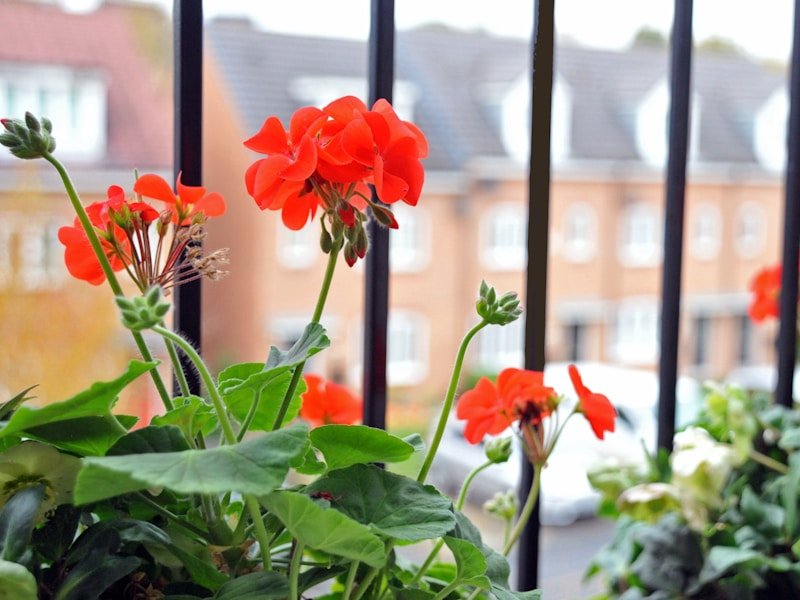
Container gardening for small spaces means growing plants in pots, planters, or any portable container instead of in the ground. It’s perfect for apartments, condos, or homes with limited outdoor space. You can grow vegetables, herbs, flowers, or even small shrubs in containers on balconies, patios, steps, or windowsills. The key is selecting the right container size, using quality potting soil, and providing adequate sunlight and water. This method allows you to control soil quality, move plants for better light, and avoid many soil-borne pests.
Follow these five ordered steps to create your own container garden, even in the smallest space.
Let me share a real story. My friend Sarah lives in a 300-square-foot studio in San Francisco with a tiny fire escape. She wanted to grow salad greens. She bought three rectangular window boxes (24 inches long), attached them to the railing, and planted a mix of arugula, romaine, and spinach. She used a lightweight potting mix and watered every morning. Within 30 days, she harvested her first salad. She now grows enough greens for three salads per week from April through October. Her total investment: $45 for containers and soil, $8 for seeds. She saves about $10 per week on grocery store greens.
Another example: I helped my neighbor Tom, who has a 4×6-foot concrete patio. He wanted tomatoes and peppers. We used two 10-gallon fabric grow bags for tomatoes and three 5-gallon plastic pots for peppers. Fabric bags improve drainage and prevent root circling. He placed them against a south-facing wall. He harvested 15 pounds of tomatoes and 8 pounds of peppers over the summer. The key was consistent watering—he used a timer drip system connected to a hose.
Here are some numbers to consider: A single 5-gallon pot of cherry tomatoes can yield 5–10 pounds per season. A 12-inch pot of basil can produce enough for pesto every two weeks. Container gardening for small spaces is not just a hobby—it’s a practical way to supplement your food supply.
[TABLE_SECTION]
[FAQ_SECTION]
Container gardening for small spaces is one of the most rewarding ways to connect with nature, even in a cramped apartment. You don’t need a green thumb or a big budget—just a few pots, some soil, and a willingness to learn. Start small with herbs or lettuce, then expand as you gain confidence. Remember to check sunlight, water consistently, and choose compact varieties. I’ve seen people transform tiny balconies into lush food gardens, and you can too.
Now it’s your turn. What’s the first plant you want to grow in your container garden? Drop a comment below and share your space—I’d love to hear about your balcony, patio, or windowsill. If you have questions, ask away. Let’s grow together.
Apartment Patio Garden Ideas: Transform Your Small Outdoor Space into a Lush Retreat
| Plant | Minimum Container Size | Sunlight Needs | Yield (per season) | Difficulty |
|---|---|---|---|---|
| Cherry Tomato | 5 gallons | Full sun (6–8 hrs) | 5–10 lbs | Easy |
| Lettuce | 1 gallon | Partial shade (4–6 hrs) | 2–3 lbs | Very easy |
| Basil | 1 gallon | Full sun (6 hrs) | 1–2 lbs | Easy |
| Pepper (bell) | 3 gallons | Full sun (6–8 hrs) | 3–5 lbs | Moderate |
| Strawberry | 2 gallons | Full sun (6 hrs) | 1–2 lbs | Easy |
| Bush Bean | 2 gallons | Full sun (6–8 hrs) | 2–4 lbs | Easy |
| Radish | 1 gallon | Full sun (4–6 hrs) | 1 lb | Very easy |
How to Grow Vegetables on a Balcony: A Practical Guide for Urban Gardeners
| Material | Pros | Cons | Best For |
|---|---|---|---|
| Plastic | Lightweight, cheap, retains moisture | Can overheat in sun, not eco-friendly | Beginners, small spaces |
| Terracotta | Breathable, classic look | Heavy, dries out fast, fragile | Herbs, succulents |
| Fabric grow bag | Excellent drainage, prevents root circling | Dries out fast, needs saucer | Tomatoes, peppers, root veggies |
| Wood (cedar) | Natural look, insulates roots | Expensive, can rot over time | Permanent planters, large pots |
| Self-watering | Consistent moisture, less work | Cost more, can get root rot if overfilled | Busy gardeners, hot climates |
Small Courtyard Vegetable Patch: A Complete Guide to Growing Your Own Food in Tiny Spaces
Apartment Patio Garden Ideas: Transform Your Small Space into a Lush Retreat
Most container gardens fail from poor layout, not poor plants. Before you order anything, spend a day reading your space.
Check your balcony or patio at three points in the day: morning, midday, and late afternoon. Note where shadows fall and when they move. A wall that faces the sun can bounce extra light and heat onto pots, which helps tomatoes but can cook lettuce. A north-facing balcony is not hopeless, but it will steer you toward leafy crops and herbs rather than fruiting vegetables.
Put the tallest, most sun-hungry plants at the back or against the brightest wall so they do not shade everything else. Tuck shade-tolerant greens in the lower-light corners and along the floor. Then group plants with similar water needs together, so one drip line or one watering can route covers them all efficiently instead of you chasing individual pots.
Floor space runs out fast. Railing planters, wall-mounted pockets, tiered shelving, and hanging baskets multiply your growing area without adding footprint. The trade-off is wind exposure and faster drying, so check railings and hooks are rated for the weight of wet soil and mature plants.
If you cannot reach the back of a pot with one hand, you will skip watering and harvesting it. Keep a clear path, and remember that you need space to prune, stake, and inspect leaves for pests.
Small-space gardening comes with structural realities that ground gardeners never think about.
A balcony is a small island. Fewer insects find it, and the ones that do can multiply quickly because there is no natural buffer.
Tomatoes, peppers, and eggplant largely self-pollinate but need movement to release pollen. Tap the support stake or gently shake each plant mid-morning, or brush inside each open flower with a soft artist brush. Avoid misting open flowers, and remember that extreme heat or cold reduces fruit set no matter how well you pollinate.
Plant a few flowers in their own pots: marigolds, alyssum, calendula, and flowering basil all draw pollinators and beneficial insects. Let a few herbs bolt to flower once you have harvested enough leaves.
Turn leaves over twice a week. A strong jet of water handles aphids and spider mites early. Insecticidal soap or horticultural oil works on soft-bodied pests, but it also harms beneficial insects, so use it only where you have confirmed a problem and follow the label. Quarantine any new plant for a week before placing it beside your established pots.
Birds and squirrels discover balconies fast. Netting, row cover, or a simple cloche over ripening fruit usually solves it. For squirrels, weight down pots and avoid leaving fallen fruit on the floor.
Containers have no reserve moisture, which is why watering is the number one reason small-space gardens fail.
Because containers are portable, you can stretch your growing window further than most in-ground gardeners.
In cool weather, move pots against a sunny south or west wall, which radiates warmth overnight, and cover them with a frost blanket, cloche, or an overturned clear bin on cold nights. Lettuce, spinach, kale, arugula, and radishes all thrive in the cooler slots at each end of the season.
Rosemary, thyme, bay, and other woody herbs often survive winter better in a pot you can move than in the ground. Peppers can be cut back, brought indoors before frost, and kept in a bright cool spot to regrow next season. Reduce watering sharply for dormant plants, because soggy cold roots rot faster than dry ones.
Microgreens, sprouts, and cut-and-come-again salad greens are the most reliable indoor winter crops, along with chives, mint, and parsley. Light is the limiting factor indoors, so rotate pots regularly and add a small LED grow light if plants stretch and pale.
| Available space | Realistic setup | Best crops to prioritize | Main constraint to manage |
|---|---|---|---|
| Indoor windowsill | 2 to 4 small pots (4 to 6 inch) | Herbs, microgreens, salad seedlings | Light fades fast indoors; rotate pots and add a small grow light in winter. |
| Railing or narrow balcony (about 10 sq ft) | 4 to 6 railing planters plus 2 to 3 medium floor pots | Salad greens, herbs, radishes, bush beans | Wind and reflected heat; secure everything and favour light-coloured pots. |
| Small patio (about 24 sq ft, such as 4 x 6 ft) | 2 to 3 large pots or fabric bags (10 gallons) plus 3 to 5 medium pots | Tomatoes, peppers, cucumbers, basil | Watering frequency; group thirsty plants onto one drip line. |
| Larger patio or roof terrace (40 sq ft and up) | Mix of large planters, grow bags, and a trellised wall | Fruiting vegetables, dwarf fruit trees, cut flowers | Weight distribution and watering time; keep heavy pots near load-bearing walls. |
Yield and watering numbers in this guide are ranges, not promises, and they shift with container volume, light, and consistency of care. A useful rule of thumb: container volume, not plant count, is the best predictor of how forgiving a setup will be. Doubling root volume creates a much larger water and nutrient buffer, so a 10-gallon pot holds moisture noticeably longer than a 5-gallon pot of the same crop. Watering needs track plant size and weather far more than the calendar, which is why checking the top inch of mix with your finger beats a fixed schedule. Use 6 to 8 hours of direct sun for fruiting crops, 4 to 6 hours for leafy greens, and steady feeding during active growth as your benchmark, then adjust based on how your own plants respond.