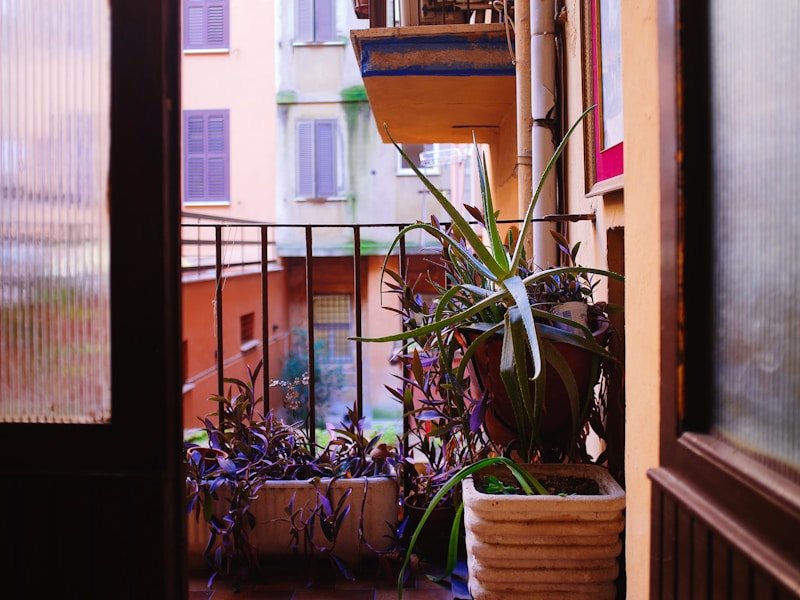
Apartment Patio Garden Ideas: Transform Your Small Space into a Lush Retreat
Turn your apartment patio into a thriving garden with these practical, space-saving ideas. From vertical planters to container gardening, we cover everything you need to create a lush outdoor oasis.
Introduction: Why Your Apartment Patio Deserves a Garden
If you live in an apartment, you know that outdoor space is precious. That tiny balcony or patio might seem limited, but trust me—it’s a goldmine waiting to happen. I’ve been there, staring at a 4×6 foot concrete slab thinking, “How can I possibly grow anything here?” But after years of trial and error, I’ve cracked the code. Apartment patio garden ideas aren’t just about cramming plants into corners; they’re about designing a space that feels like an extension of your home.
Whether you’re a renter with strict rules or a plant parent with a green thumb, this guide will show you how to maximize every square inch. We’ll cover vertical gardens, container choices, lighting hacks, and even how to grow your own food. By the end, you’ll have a clear plan to turn that bare patio into a lush, inviting sanctuary. Let’s dig in.
What Is an Apartment Patio Garden?
An apartment patio garden is a small-scale garden created on a balcony, terrace, or patio attached to an apartment. It typically uses containers, vertical planters, and hanging systems to grow plants in limited space. Unlike traditional gardens, these setups are portable, adaptable to rental restrictions, and designed for urban environments with partial sun or shade. The goal is to create a green oasis that fits your lifestyle—whether you want herbs for cooking, flowers for beauty, or a mix of both.
How to Create an Apartment Patio Garden: 5 Ordered Steps
Assess Your Space and Light – Measure your patio dimensions and note how much sunlight it gets. South-facing patios get full sun (6+ hours), east-facing get morning light, and north-facing are shady. This determines what plants will thrive.
Choose the Right Containers – Use lightweight pots with drainage holes. Self-watering containers are great for busy schedules. Consider fabric grow bags for flexibility and air pruning roots.
Maximize Vertical Space – Install wall-mounted planters, trellises, or tiered shelving. Hanging baskets from the ceiling or railing add more planting area without taking floor space.
Select Plants for Your Conditions – For sunny spots: tomatoes, peppers, lavender, succulents. For shade: ferns, hostas, impatiens, mint. Mix annuals and perennials for continuous color.
Set Up Irrigation and Maintenance – Use a drip irrigation kit or self-watering stakes to keep plants hydrated. Add a timer for consistency. Mulch soil surfaces to retain moisture and reduce weeds.
Examples and Case Studies: Real Apartment Patio Gardens
Case Study 1: The Herb Lover’s Balcony
Sarah, a graphic designer in Chicago, had a 5×8 foot east-facing balcony. She wanted fresh herbs for cooking but had limited time. Using a vertical pocket planter on the railing, she planted basil, thyme, rosemary, and chives. She added a small bistro table and chair. Within three months, she harvested enough herbs for weekly meals. Her secret? Self-watering containers and a simple drip system on a timer.
Case Study 2: The Urban Jungle in a Shady Corner
Mike, a teacher in Seattle, had a north-facing patio that got only dappled light. He transformed it with ferns, pothos, snake plants, and peace lilies in tiered plant stands. He hung string lights and added a small water feature. The result was a calming retreat that felt like a forest floor. He used moisture meters to avoid overwatering and rotated plants for even growth.
Case Study 3: The Edible Garden on a Sunny Deck
Lisa, a nurse in Atlanta, had a 6×10 foot south-facing deck. She used large fabric pots for tomatoes, peppers, and cucumbers, with a trellis for climbing beans. She also grew strawberries in hanging baskets. Despite limited space, she produced over 20 pounds of vegetables in one season. She used a soaker hose and fertilized weekly with liquid seaweed.
Comparison Table
[TABLE_SECTION]
Frequently Asked Questions
[FAQ_SECTION]
Conclusion
Creating an apartment patio garden isn’t just about plants—it’s about reclaiming your outdoor space and connecting with nature, even in the heart of the city. Whether you start with a single herb pot or go all-in with a vertical garden, every bit of green makes a difference. I’ve seen how a few plants can turn a barren balcony into a peaceful escape after a long day.
Now it’s your turn. Pick one idea from this guide and try it this weekend. Measure your light, grab a pot, and plant something that makes you smile. Share your progress or questions in the comments below—I’d love to see what you create!
Q: What are the best plants for an apartment patio garden with low light?
A: For low-light patios, choose shade-tolerant plants like ferns, snake plants, pothos, peace lilies, and impatiens. Herbs like mint and parsley also do well in partial shade. Avoid sun-loving plants like tomatoes or lavender.
Q: How do I water an apartment patio garden without making a mess?
A: Use self-watering containers with built-in reservoirs to reduce runoff. Place saucers under pots to catch excess water. Consider a drip irrigation system with a timer for precise watering. Water early in the morning to minimize evaporation and mess.
Q: Can I grow vegetables on a small apartment patio?
A: Yes! Compact varieties like cherry tomatoes, bush cucumbers, peppers, and leafy greens thrive in containers. Use at least 5-gallon pots for root vegetables. Ensure at least 6 hours of sunlight or use grow lights for supplemental lighting.
Q: How do I protect my patio garden from wind?
A: Place heavy pots on the ground to anchor plants. Use windbreaks like lattice screens, tall plants, or glass panels. Group pots together for stability. Choose sturdy plants like succulents or ornamental grasses that can handle gusts.
Q: What is the easiest way to start an apartment patio garden?
A: Start small with 2-3 easy-care plants like succulents, herbs (basil, mint), or flowers (marigolds, petunias). Use a single tiered plant stand or a railing planter. Water consistently and observe how much sun your patio gets before expanding.
Your patio garden changes with the seasons. Here’s how to keep it thriving year-round:
Spring: Start seeds indoors 6-8 weeks before the last frost. Refresh potting soil with compost. Prune dead growth from perennials. Gradually acclimate seedlings to outdoor conditions.
Summer: Water deeply and regularly, especially in hot weather. Provide shade cloth for heat-sensitive plants. Harvest frequently to encourage production. Watch for pests and diseases.
Fall: Plant cool-season crops like lettuce, kale, and carrots. Clean up spent plants to prevent disease. Bring tender perennials indoors before the first frost. Mulch pots to insulate roots.
Winter: Protect pots from freezing by wrapping them in burlap or moving them against a wall. Reduce watering for dormant plants. Use grow lights for herbs and greens. Plan next year’s garden and order seeds.
Troubleshooting Common Apartment Patio Garden Problems
Even with the best care, issues can arise. Here’s how to diagnose and fix common problems:
Yellowing leaves: Often a sign of overwatering or poor drainage. Check that pots have drainage holes and let soil dry out between waterings. Could also indicate nutrient deficiency—feed with a balanced liquid fertilizer.
Leggy, spindly growth: Insufficient light. Move plants to a sunnier spot or supplement with grow lights. Rotate plants regularly for even growth.
Pests (aphids, spider mites, whiteflies): Isolate affected plants. Spray with neem oil or insecticidal soap. For severe infestations, remove and discard heavily infested plants.
Powdery mildew: A fungal disease that appears as white powder on leaves. Improve air circulation, avoid overhead watering, and apply a fungicide if necessary.
Wilting: Can be caused by both under- and over-watering. Check soil moisture by sticking your finger 1 inch into the soil. Water only when dry.
DIY Apartment Patio Garden Projects
Get creative with these budget-friendly DIY projects:
Self-watering container from a plastic bottle: Cut a plastic bottle in half, invert the top into the bottom, and add a wick. Plant herbs or small flowers.
Vertical pallet planter: Attach landscape fabric to a pallet, fill with soil, and plant herbs or succulents in the gaps. Lean against a wall or hang.
Shoe organizer herb garden: Hang a fabric shoe organizer on a door or wall, fill pockets with soil, and plant herbs. Perfect for small spaces.
Tiered planter from wooden crates: Stack wooden crates in a pyramid, line with landscape fabric, and fill with soil. Plant a mix of flowers and vegetables.
DIY drip irrigation: Use a soda bottle with holes poked in the cap, buried in the soil, to slowly release water. Or repurpose a soaker hose on a timer.
Comparison of Container Materials for Apartment Patio Gardens
Material
Weight
Water Retention
Durability
Cost
Best For
Terracotta
Heavy
Moderate
Good
Low
Herbs, succulents, flowers
Plastic
Light
High
Fair
Low
Vegetables, flowers, budget-friendly
Fabric
Light
Moderate
Good
Low
Root crops, tomatoes, air pruning
Self-Watering
Medium
High
Good
Medium
Busy gardeners, consistent moisture
Ceramic
Heavy
Moderate
Excellent
High
Decorative displays, focal points
Wood
Medium
Moderate
Variable
Medium
DIY projects, rustic look
Concrete
Very Heavy
Low
Excellent
Medium
Permanent plantings, stability
Frequently Asked Questions
Q: How often should I water my apartment patio garden?
A: Watering frequency depends on plant type, container size, and weather. In general, check soil moisture daily during hot weather. Most container plants need water when the top inch of soil is dry. Self-watering containers can go longer between waterings. Always water thoroughly until water runs out the drainage holes, then empty saucers to prevent root rot.
Q: What are the best plants for a north-facing balcony?
A: North-facing balconies receive indirect or low light, so choose shade-tolerant plants like ferns, hostas, impatiens, begonias, pothos, snake plants, and peace lilies. For herbs, mint, parsley, and chives can tolerate partial shade. Avoid sun-loving plants like tomatoes, peppers, and lavender, which will struggle without adequate light.
Q: Can I grow vegetables on a balcony with only 4 hours of sun?
A: Yes, but limit your choices to leafy greens and root vegetables that tolerate partial shade. Lettuce, spinach, kale, carrots, radishes, and beets can produce with 4-6 hours of sun. For fruiting vegetables like tomatoes and peppers, you'll need at least 6-8 hours of direct sun. Consider using reflective surfaces or grow lights to supplement.
Q: How do I protect my plants from wind on a high-rise balcony?
A: Wind can dry out and damage plants. Use windbreaks like a trellis with climbing plants, a privacy screen, or a row of sturdy potted shrubs. Choose compact, wind-resistant plants like ornamental grasses, lavender, and sedums. Secure pots with heavy bases or tie them to railings. Group pots together to create a microclimate.
Q: What is the best way to fertilize container plants?
A: Container plants need regular feeding because nutrients leach out with watering. Use a balanced liquid fertilizer diluted to half strength every 2-4 weeks during the growing season. For vegetables, switch to a fertilizer higher in phosphorus and potassium when flowering. Slow-release granules can be mixed into the soil at planting time. Always follow package directions to avoid burning roots.
According to the National Gardening Association, container gardening remains the most popular method for urban residents, with participation steadily increasing year over year. The trend is driven by a desire for fresh, homegrown food, the mental health benefits of gardening, and a growing awareness of sustainability. As more apartment complexes recognize the value of green spaces, balcony and patio gardens are becoming a standard amenity. Innovative solutions like vertical gardens and self-watering containers are making it easier than ever for city dwellers to cultivate their own lush retreats.