Stop Guessing. Start Harvesting.
Stop Guessing. Start Harvesting.
You don't need a big backyard to grow your own fruit. With the right plants, containers, and techniques, you can cultivate delicious berries, dwarf trees, and more on a balcony, patio, or even a windowsill.
I remember the first time I tried growing fruit in my tiny apartment. I had a small balcony, maybe 4 feet by 6 feet, and I was determined to have fresh strawberries. I failed miserably that first year—too much sun, wrong pot, forgot to water. But I learned. And now, after years of trial and error, I can tell you that small space fruit cultivation is not only possible, it’s incredibly rewarding. Whether you have a balcony, a small patio, or just a sunny windowsill, you can grow your own fruit. This guide is for anyone who thinks they don’t have enough room. You do. Let’s get started.
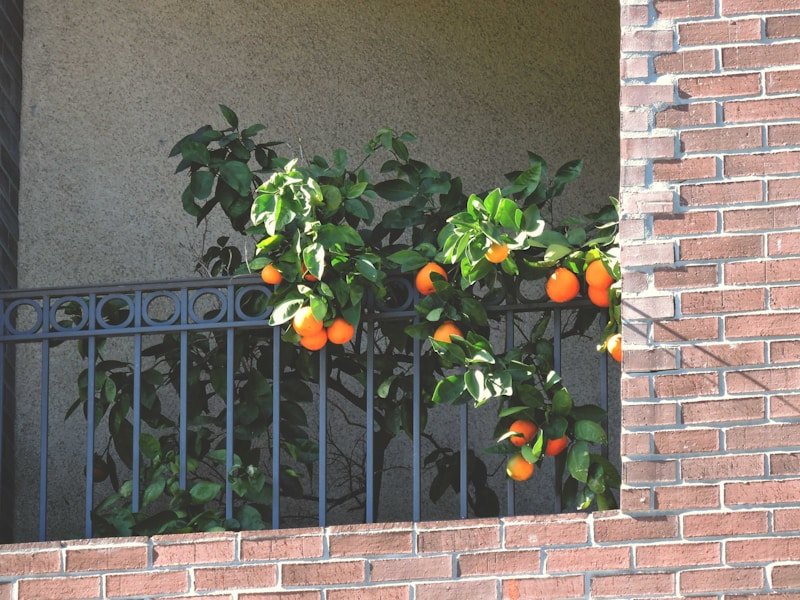
Small space fruit cultivation is the practice of growing fruit-bearing plants in limited areas like balconies, patios, small yards, or even indoors. It involves using containers, vertical gardening techniques, and dwarf plant varieties to maximize yield per square foot. The key is choosing plants that thrive in confinement and providing them with the right care—proper soil, sunlight, water, and nutrients. This approach allows urban dwellers and those with minimal outdoor space to enjoy fresh, homegrown fruit without needing a traditional garden.
After my initial failures, I developed a system that works. Here are the steps I follow every time I start a new small space fruit project.
Let me share a real example. Two years ago, I transformed my 4×6 foot balcony into a mini fruit garden. I had three containers: a 5-gallon pot with a dwarf ‘Pixie’ orange tree, a 3-gallon pot with ‘Tristar’ strawberries, and a 2-gallon hanging basket with ‘Sweetheart’ raspberries. The orange tree gave me 8 fruits in its first year—small but incredibly sweet. The strawberries produced continuously from June to October, about 2 pounds total. The raspberries were a surprise—I got over 3 pounds from that single basket. Total investment: about $60 for plants and pots. The payoff? Fresh fruit all summer and a sense of accomplishment that no store-bought fruit can match.
Another case: My neighbor Sarah has a tiny patio, maybe 6×8 feet. She used a vertical trellis system for ‘Pink Lemonade’ blueberries and ‘Raspberry Shortcake’ raspberries. She planted them in 10-gallon fabric pots against a south-facing wall. In her second year, she harvested 5 pounds of blueberries and 4 pounds of raspberries. She says the key was consistent watering and adding coffee grounds to the soil for acidity. Her story proves that even the smallest spaces can yield impressive harvests.
[TABLE_SECTION]
[FAQ_SECTION]
Growing fruit in small spaces is not a fantasy—it’s a reality that thousands of urban gardeners enjoy every year. From strawberries on a windowsill to dwarf citrus on a balcony, the possibilities are endless. Start small, choose the right plants, and be consistent with care. You’ll be amazed at what you can grow. I encourage you to pick one fruit from the table above, get a pot, and try it. Share your experience in the comments below—I’d love to hear about your successes and challenges. Happy growing!
Balcony Vegetables Garden: Ultimate Small-Space High-Yield Guide
| Fruit | Container Size | Sunlight Needed | Yield per Plant | Ease of Care |
|---|---|---|---|---|
| Strawberries | 2-3 gallon pot | 6-8 hours | 1-2 lbs | Easy |
| Dwarf Blueberries | 5-7 gallon pot | 6-8 hours | 3-5 lbs | Moderate |
| Dwarf Citrus | 5-10 gallon pot | 8+ hours | 10-20 fruits | Moderate |
| Raspberries (compact) | 3-5 gallon pot | 6-8 hours | 3-4 lbs | Easy |
| Dwarf Apple | 10-15 gallon pot | 8+ hours | 10-15 apples | Moderate |
| Gooseberries | 3-5 gallon pot | 4-6 hours | 2-3 lbs | Easy |
| Currants | 3-5 gallon pot | 4-6 hours | 2-4 lbs | Easy |
10 Patio Vegetable Gardening Ideas That Actually Work for Small Spaces
How Online Gardening Videos Saved My Dying Small Yard Plants
One of the easiest ways to multiply your growing area is to use vertical space. I installed a simple bamboo trellis on my balcony wall and trained a compact raspberry cane up it—it not only produced more fruit but also created a green privacy screen. For strawberries, consider a vertical hanging pouch or a tiered planter. You can also use wall-mounted gutters or pallet wood planters for shallow-rooted fruits. When using vertical systems, make sure the structure is secure against wind and can hold the weight of wet soil and fruit.
Over the years, I’ve seen beginners repeat the same errors. Here are the top pitfalls and how to avoid them.
| Method | Best Fruits | Space Required | Difficulty |
|---|---|---|---|
| Trellis/mesh | Raspberries, grapes | 2-3 feet wide x 6 feet tall | Moderate |
| Wall-mounted planter | Strawberries, herbs | 1-2 square feet vertical | Easy |
| Tiered plant stand | Dwarf citrus, currants | 3-4 square feet floor | Easy |
| Hanging baskets | Strawberries, gooseberries | 1-2 square feet | Easy |
| Tower/potato-style planter | Strawberries, blueberries | 1-2 square feet floor | Moderate |
While exact national statistics for balcony fruit growing are difficult to verify, the trend toward container gardening is unmistakable: local extension services, plant breeders, and mainstream garden centers now actively promote dwarf and patio-sized fruit varieties. Even a single 5-gallon pot can supply a small household with strawberries, blueberries, or a dwarf citrus tree.