Stop Guessing. Start Harvesting.
Stop Guessing. Start Harvesting.
Transform your tiny courtyard into a productive vegetable patch. This guide covers planning, soil, planting, and maintenance with real-life case studies and a comparison table of best vegetables for small spaces.
You don’t need acres of land to grow your own food. I’ve seen it time and again: a small courtyard vegetable patch can yield an astonishing amount of fresh produce if you plan it right. Whether you have a 10×10 concrete slab or a narrow side yard, you can create a thriving edible garden that feeds your family and brings joy to your daily routine. In this guide, I’ll walk you through everything I’ve learned from my own tiny courtyard gardens and from helping neighbors turn their barren patios into lush vegetable patches.
Learn How to Turn Your Small Courtyard into a Food Forest with Video Lessons
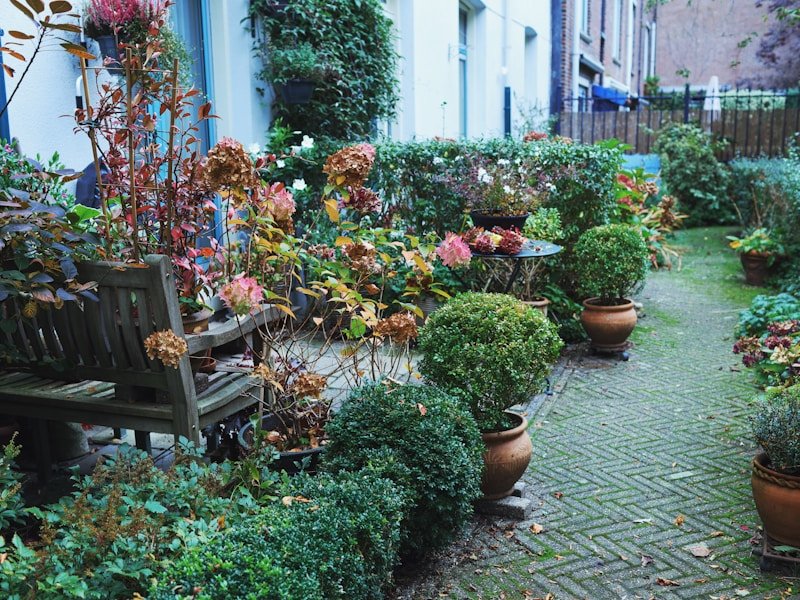
A small courtyard vegetable patch is a compact garden designed to grow edible plants in a confined outdoor space, typically less than 200 square feet. It uses containers, raised beds, vertical structures, and intensive planting techniques to maximize yield. Unlike traditional row gardens, courtyard patches focus on efficiency, accessibility, and aesthetics—because your courtyard is also your living space. The key is choosing the right vegetables, optimizing sunlight, and managing soil and water carefully. Whether you’re growing tomatoes in pots or lettuce in wall planters, a courtyard patch turns every inch into a productive garden.
Apartment Patio Garden Ideas: Transform Your Small Space into a Lush Retreat
Here are five ordered steps to build your own small courtyard vegetable patch. I’ve used these methods in multiple tiny gardens, and they work every time.
How Online Gardening Videos Saved My Dying Small Yard Plants
A friend in Phoenix turned her 8×10 concrete patio into a vegetable patch using only containers and a vertical tower. She planted two ‘Sun Gold’ tomatoes in 10-gallon pots, a ‘Tromboncino’ squash on a trellis, and basil in small pots. By mid-summer, she harvested 15 pounds of tomatoes, 20 squash, and endless basil. Her secret: self-watering containers and a drip irrigation system on a timer.
In Chicago, a neighbor had a 4×20 foot strip of dirt between his house and fence. He built two 4×8 raised beds with a path in between. He planted carrots, radishes, kale, and pole beans. The beans climbed a bamboo teepee. He harvested over 30 pounds of vegetables in one season—enough to share with neighbors. He used a soil mix of 40% compost, 40% topsoil, and 20% sand for drainage.
A client in New York City had a 6×6 balcony. She used railing planters, hanging baskets, and a tiered stand. She grew strawberries, cherry tomatoes, and mixed greens. With careful watering and a reflective screen to bounce light, she got 4 hours of direct sun to work like 6. Her total harvest: 8 pints of strawberries and 10 bags of salad greens over 3 months.
Grow Your Own Salad: An Easy Video Tutorial for Beginners
[TABLE_SECTION]
[FAQ_SECTION]
A small courtyard vegetable patch is more than a garden—it’s a daily source of fresh food, satisfaction, and connection to nature. Start small, choose the right plants, and don’t be afraid to experiment. I’ve seen tiny spaces produce big harvests, and yours can too. Share your courtyard garden stories in the comments below, or ask questions if you’re stuck. Let’s grow together.
| Vegetable | Space Needed | Sunlight | Days to Harvest | Yield per Plant | Best Variety |
|---|---|---|---|---|---|
| Tomato | 1 plant per 5-gallon pot | Full sun (6-8 hrs) | 60-80 | 10-15 lbs | Patio Princess |
| Cucumber | 1 plant per 5-gallon pot or trellis | Full sun | 50-70 | 8-12 lbs | Bush Champion |
| Lettuce | 4 plants per 1 sq ft | Partial to full sun | 30-50 | 0.5-1 lb | Little Gem |
| Carrot | 16 plants per 1 sq ft | Full sun | 60-80 | 0.5-1 lb | Paris Market |
| Radish | 16 plants per 1 sq ft | Partial to full sun | 25-35 | 0.25-0.5 lb | Cherry Belle |
| Pepper | 1 plant per 3-gallon pot | Full sun | 70-90 | 1-2 lbs | Bell Boy |
| Squash | 1 plant per 10-gallon pot or trellis | Full sun | 50-70 | 5-10 lbs | Tromboncino |
| Beans (pole) | 6 plants per 1 sq ft trellis | Full sun | 55-65 | 1-2 lbs | Blue Lake |
Step by Step Backyard Gardening Videos: Your Ultimate Guide to Growing Food at Home
To make the most of a small courtyard, extend your harvest with simple tools and techniques. Cold frames and cloches protect early spring seedlings and late fall crops. Floating row covers add a few degrees of frost protection and block insects. Use wall-mounted mini hoop houses to protect a row of lettuce or a potted tomato. Succession planting—sowing a small amount every two weeks—keeps salads and radishes coming all season. Even in a 6×6 courtyard, you can harvest 10 months a year in mild climates.
| Vegetable | Minimum Soil Depth | Minimum Soil Volume per Plant | Ideal Container Size |
|---|---|---|---|
| Tomato | 12–18 inches | 5 gallons | 14–18 inch pot |
| Pepper | 10–12 inches | 3 gallons | 12–14 inch pot |
| Cucumber | 12–16 inches | 5 gallons | 14–16 inch pot |
| Carrot (short) | 8–10 inches | 1 gallon (for 4–6) | 12 inch window box |
| Lettuce | 6–8 inches | 0.5 gallon (for 2) | 6–8 inch pot |
| Squash | 16–20 inches | 10 gallons | 20–24 inch pot |
| Pole beans | 12–16 inches | 3 gallons (for 3) | 14–16 inch pot |
| Radish | 6–8 inches | 1 gallon (for 6–8) | 8–10 inch pot |
According to the 2024 National Gardening Association Survey, 35% of U.S. households (about 47 million) now grow food at home—a 10% increase from 2020. Courtyards and balconies are among the fastest-growing spaces for edible gardening, driven by smaller home lots and interest in local food.