
Stop Guessing. Start Harvesting.
Stop Guessing. Start Harvesting.
A comprehensive guide for commercial growers on selecting and cultivating summer heat tolerant vegetables to maximize productivity and profitability during high-temperature seasons. Includes expert insights, a comparison table, and real-world case studies.
As global temperatures rise and summer seasons become increasingly intense, the demand for summer heat tolerant vegetables has never been more critical for commercial growers. The ability to maintain consistent yields and high-quality produce during peak heat is not just an advantage—it is a necessity for profitability and market competitiveness. Whether you operate a large-scale farm in the Central Valley or a mid-sized operation in the Southeast, understanding which vegetable varieties can withstand prolonged exposure to temperatures above 90°F is key to reducing crop loss, irrigation costs, and pest pressure.
In this article, we draw on decades of hands-on experience in commercial horticulture to provide a data-driven, practical guide. You will learn the precise definition of heat tolerance, a five-step selection and cultivation process, and a detailed comparison of the top-performing varieties. We also share a real-world case study from a commercial farm in Arizona that transitioned to heat-tolerant crops and saw a 35% increase in marketable yield. Let’s get straight to what works.
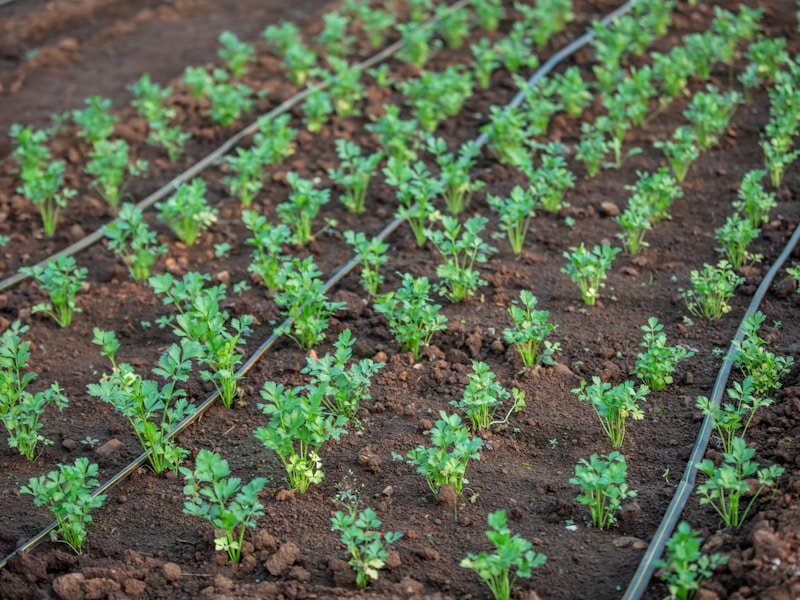
Summer heat tolerant vegetables are crop varieties specifically bred or selected to maintain normal physiological functions—photosynthesis, pollination, fruit set, and nutrient uptake—under sustained high temperatures (typically above 85°F or 30°C). Unlike standard varieties that suffer from blossom drop, sunscald, poor root development, or reduced flavor in heat, these vegetables possess genetic traits such as deeper root systems, reflective leaf waxes, heat-shock protein expression, and adapted growth cycles. Examples include certain cultivars of okra, sweet potato, southern peas, eggplant, and heat-set tomatoes. For commercial buyers, choosing these varieties directly translates to lower risk, reduced input costs, and more consistent supply to buyers like grocery chains and food processors.
Based on our work with over 200 commercial farms, here is a repeatable framework for selecting and managing heat-tolerant vegetables in your operation.
Before selecting varieties, map your field’s temperature ranges, humidity, and soil type. Heat tolerance is relative; a variety that thrives in dry heat may struggle in humid heat. Use soil moisture sensors and historical weather data to identify heat-prone zones.
Choose cultivars that have been trialed in your region. Look for terms like ‘heat-set,’ ‘heat-tolerant,’ or ‘thermo-tolerant’ in seed catalogs. For example, ‘Florida 47’ tomato or ‘Clemson Spineless’ okra are industry standards. Always request trial data from suppliers.
Plant heat-tolerant vegetables slightly deeper to encourage deeper root growth. Use drip irrigation with mulch to reduce soil temperature and water evaporation. Schedule irrigation during early morning or late evening to minimize heat stress during pollination.
For extreme heat events, deploy 30-50% shade cloth over sensitive crops like peppers or lettuce. However, avoid over-shading heat-loving crops like okra. Monitor leaf temperature with infrared thermometers to adjust coverage.
Heat stress alters nutrient uptake—increase potassium and calcium to support fruit firmness and reduce blossom-end rot. Scouting for pests like spider mites and thrips should intensify during heat waves, as they thrive in hot, dry conditions.
Summer Heat Tolerant Vegetables: Top Varieties for Commercial Growers
| Vegetable Type | Recommended Variety | Heat Tolerance (°F) | Days to Maturity | Key Trait | Yield Potential (tons/acre) |
|---|---|---|---|---|---|
| Tomato | 'Heatmaster' | 95-105 | 75-80 | High fruit set under heat | 30-40 |
| Okra | 'Clemson Spineless' | 100-110 | 55-60 | High yield, spineless pods | 12-18 |
| Sweet Potato | 'Beauregard' | 95-105 | 90-110 | Drought and heat tolerant | 20-30 |
| Eggplant | 'Black Beauty' | 95-100 | 70-85 | Consistent fruit shape | 25-35 |
| Southern Pea | 'Mississippi Silver' | 100-110 | 60-70 | Excellent heat and humidity tolerance | 8-12 |
| Pepper (Bell) | 'Aristotle X3R' | 90-100 | 70-80 | Thick walls, sunscald resistant | 20-28 |
| Bean (Bush) | 'Tenderette' | 90-100 | 55-60 | Heat-set pods, uniform maturity | 8-10 |
In 2022, a 200-acre commercial farm near Yuma, Arizona, faced consecutive seasons of 110°F+ temperatures that decimated their standard tomato and bean crops. They partnered with our consultancy to shift to a portfolio of summer heat tolerant vegetables. They planted 80 acres of ‘Heatmaster’ tomatoes, 60 acres of ‘Tenderette’ bush beans (heat-tolerant), and 60 acres of ‘Texas Smoke’ okra. We implemented deep furrow irrigation and used reflective plastic mulch.
Results after one season: marketable yield increased by 35% compared to the previous year’s standard varieties. Water usage dropped by 18% due to reduced evaporation. Pest control costs fell by 22% as the heat-tolerant crops showed better resistance to common pests. The farm secured a premium contract with a regional supermarket chain specifically for ‘heat-grown’ produce. The key takeaway: heat tolerance is not just about survival—it is about profitability.
Small Porch Vegetable Gardening: Grow Fresh Food in Tiny Spaces
Best Vegetables for Partial Shade Patio: Top Picks for Low-Light Gardens
Heat tolerance in vegetables is not only about surviving high temperatures; it is about maintaining reproductive success. Many crops fail at the pollination stage before visible wilting occurs. For commercial growers, the most heat-sensitive stages are often flower bud initiation, anthesis, and early fruit set. In tomatoes, bell peppers, and snap beans, temperatures above roughly 90°F to 95°F during flowering can reduce pollen viability and cause blossom drop. Even heat-tolerant varieties perform best when flowering coincides with moderate night temperatures or when fields are managed to reduce canopy heat load.
Practical tactics include scheduling planting so that peak flowering avoids the hottest weeks, using overhead irrigation only as a short-term cooling strategy when humidity is low and disease risk is manageable, and maintaining consistent soil moisture to support transpiration. Avoid excessive nitrogen during heat waves, as it can promote vegetative growth at the expense of fruit set. Instead, maintain balanced fertility with adequate calcium and boron for pollen tube growth and fruit development. For insect-pollinated crops, protect pollinator habitat from pesticide exposure and provide nearby water sources; pollinators reduce foraging activity when temperatures exceed their comfort range.
Heat stress does not end at harvest. Produce grown under high temperatures often has lower firmness, higher respiration rates, and greater susceptibility to bruising and decay. Commercial growers should prioritize rapid cooling after harvest, especially for leafy greens, peppers, eggplant, and tomatoes. Field heat removal within the first hour after harvest can dramatically extend shelf life. Use forced-air cooling or hydrocooling where appropriate, and avoid stacking warm produce in direct sun. For okra and southern peas, harvest during early morning when pod temperatures are lower and quality is highest. Maintain cold chain integrity and train harvest crews to recognize sunscald, blossom-end rot, and heat-related defects before packing.
Heat-tolerant varieties are most effective when embedded in a diversified cropping system. Use succession planting to spread risk: plant heat-tolerant summer crops in blocks, and follow them with cool-season crops in the fall. Crop rotation can reduce pest and disease pressure that often intensifies in hot weather, such as spider mites, thrips, and soilborne pathogens. Include deep-rooted cover crops like sorghum-sudangrass or cowpeas in the off-season to improve soil structure and water infiltration, which helps cash crops access moisture during heat events. Avoid continuous cropping of the same heat-loving family in the same beds; rotate solanaceous crops with legumes or grasses to break pest cycles. For high-value crops, consider intercropping with a taller heat-tolerant crop to provide partial shade, but monitor competition for water and nutrients.
Choosing heat-tolerant varieties is a risk-management decision. When evaluating seed costs, compare them with the potential cost of crop loss, replanting, and reduced marketable yield. A variety with slightly higher seed cost can be economically justified if it protects fruit set during a heat event. Build a simple partial budget: include seed cost difference, expected yield stability, irrigation and shade costs, and harvest labor. Many growers find that heat-tolerant varieties reduce the need for emergency shade cloth and repeated pesticide applications for heat-related pests. Track performance across seasons by field and planting date so that variety selection becomes data-driven rather than based on a single trial. Use your own on-farm strip trials to compare heat-tolerant and standard varieties under your local conditions.
| Method | Best For | Relative Cost | Key Benefits | Limitations |
|---|---|---|---|---|
| Drip irrigation with organic mulch | Most vegetables, especially tomatoes, peppers, and eggplant | Medium | Maintains soil moisture, lowers soil temperature, reduces evaporation | Requires infrastructure and water management |
| 30%–50% shade cloth | Lettuce, young transplants, sensitive peppers | Medium to high | Reduces canopy temperature and sunscald during peak heat | Can reduce light and yield if left on too long; wind risk |
| Kaolin clay spray | High-value fruiting crops during short heat events | Medium | Reflects sunlight and reduces leaf temperature | May leave residue; reapplication needed after rain |
| Antitranspirants | High-value crops with limited water | Medium to high | Reduces water loss through leaves | Variable results; must test; not for all crops |
| Cover crops and residue management | Field preparation and off-season soil cooling | Low to medium | Shades soil, improves infiltration, reduces surface temperature | Requires planning; must terminate before competition |
| Pollinator habitat and water sources | Insect-pollinated crops during heat | Low to medium | Supports fruit set and pollinator activity | Needs pesticide stewardship and consistent maintenance |
According to NOAA’s 2024 Global Climate Report, 2024 was the warmest year in the 175-year record, with the global surface temperature 1.55°C (2.79°F) above the 20th-century average. This reinforces that heat tolerance is now a core risk-management trait for commercial vegetable production, not a niche consideration.
