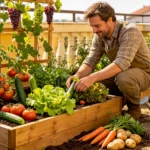
Stop Guessing. Start Harvesting.
Stop Guessing. Start Harvesting.
Transform your small yard into a thriving ecosystem using urban permaculture. This guide shares practical steps, real case studies, and a comparison of methods to apply large farm principles in a compact space.
When I first heard about permaculture, I pictured sprawling farms with acres of land, food forests, and massive compost piles. But I lived in a 1/8-acre lot in a busy city neighborhood. My yard was more concrete than soil. Still, I was determined to grow my own food and create a sustainable space. That’s when I discovered urban permaculture: applying large farm principles to a small yard. It’s not about scaling down—it’s about scaling smart. You don’t need a farm to farm like one. You need a system that works with nature, even in a tiny footprint.
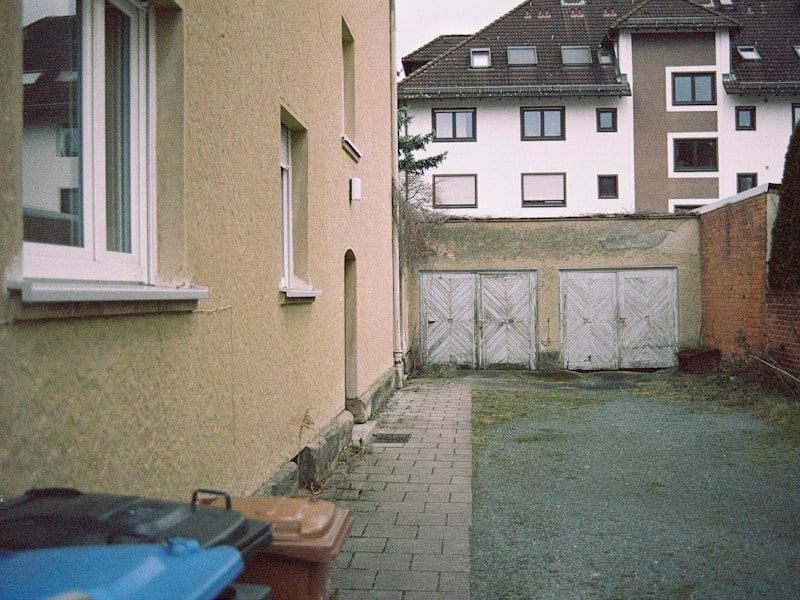
Urban permaculture is the practice of designing small, often overlooked urban spaces—like backyards, balconies, or community plots—using the same ecological principles that guide large-scale permaculture farms. It focuses on creating closed-loop systems where waste becomes a resource, water is captured and reused, and plants and animals work together to build soil and produce food. The key is observing your site, stacking functions, and mimicking natural ecosystems. In a small yard, this means every square inch serves multiple purposes: a trellis shades a path, a rain barrel waters the garden, and chickens turn kitchen scraps into eggs and fertilizer.
Here are five ordered steps to transform your small yard using urban permaculture. Each step is based on real-world experience and tested methods.
Let me share a real example. My neighbor, Sarah, had a 30×40-foot backyard that was mostly lawn and a cracked concrete patio. She wanted to grow food but had no experience. We started with a simple design: a 4×8-foot raised bed for vegetables, a small rain barrel, and a compost pile in a wooden bin. Over two years, she expanded to three beds, added a dwarf peach tree, and built a simple trellis for beans. Her harvest last summer included 40 pounds of tomatoes, 20 pounds of beans, and enough basil to make pesto all year. She also saved $200 on water by using rain barrels. The key was starting small and scaling as she learned. Another case: a community garden in a 50×100-foot lot in Portland. They used swales on contour to capture runoff, planted a food forest with hazelnuts, currants, and groundnut, and kept a small flock of ducks for pest control. In one season, they produced over 500 pounds of food for local families.
[TABLE_SECTION]
[FAQ_SECTION]
Urban permaculture proves that you don’t need acres to farm like one. By observing your site, capturing water, building soil, planting in layers, and integrating small animals, you can turn a tiny yard into a productive, resilient ecosystem. Start with one step—maybe a rain barrel or a compost bin—and watch how it transforms your space. I’d love to hear about your own urban permaculture projects. Share your experiences in the comments below or ask questions—I read every one.
How to Safely Over-Winter Your Patio Lemon and Fig Trees
| Method | Space Needed | Time Investment | Cost | Yield Potential | Best For |
|---|---|---|---|---|---|
| Raised Bed Gardening | 4×8 feet | 2-3 hours/week | $50-150 | High (vegetables) | Beginners, small spaces |
| Rain Barrel System | 2×2 feet | 1 hour setup | $30-100 | Water savings up to 30% | Water conservation |
| Compost Bin (tumbler) | 3×3 feet | 15 minutes/week | $60-120 | Rich soil amendment | Waste reduction |
| Dwarf Fruit Tree | 6×6 feet | 1-2 hours/month | $30-60 | 20-50 lbs fruit/year | Long-term food source |
| Vertical Trellis | 2×6 feet | 2 hours setup | $20-50 | High (climbing plants) | Maximizing vertical space |
| Keyhole Pond | 4×4 feet | 4-6 hours | $50-150 | Moderate (water plants, fish) | Biodiversity and water storage |
Windowsill vs. Sunroom: The Best Spots for Indoor Winter Veggies
Low-Maintenance Patio Gardening Tips for Busy Professionals
Urban permaculture is as much about mindset as it is about layout. The principles used on large farms—catch and store energy, obtain a yield, produce no waste—are naturally suited to small lots if you adapt the scale. Here are three practical ways to apply them.
Large farms use windbreaks and forest edges to create microclimates. In a small yard, your fence, wall, and balcony railings can do the same. Install a living wall of herbs, train dwarf apples against a sunny south-facing wall, or use a vertical trellis for beans and cucumbers. A 4-foot-wide section of fence can yield up to 20 pounds of pole beans in a season.
Containers allow you to build soil from scratch with compost and worm castings, avoiding contaminated urban ground. Self-watering containers, wicking beds, and deep raised beds also conserve water and reduce maintenance. In my own yard, a 4×8-foot raised bed produces more than a 10×10-foot in-ground plot because the soil is looser, richer, and better drained.
You don’t need acres for a food forest. A single dwarf fruit tree, underplanted with nitrogen-fixing shrubs, dynamic accumulators like comfrey, and edible groundcovers, forms the beginning of a seven-layer guild. The canopy layer can be a dwarf pear or peach; the shrub layer, blueberries or currants; the herb layer, chives, mint, and lemon balm; the groundcover layer, strawberries or creeping thyme; and the root layer, potatoes or carrots in containers. This mimics natural succession and maximizes every square foot.
Urban permaculture also rewards seasonal thinking. A simple maintenance calendar—prune in late winter, mulch in spring, harvest in summer, compost leaves in fall—keeps the system healthy without becoming a second job.
| Aspect | Conventional Yard | Urban Permaculture Yard |
|---|---|---|
| Water | Relies on sprinklers and hose, runoff wasted | Rain barrels, swales, and rain gardens capture and reuse water |
| Soil inputs | Synthetic fertilizers and peat moss | Compost, worm castings, and sheet mulch build soil organically |
| Planting | Single-species lawn and annuals | Polycultures, food forests, and layered guilds |
| Pest management | Chemical pesticides | Beneficial insects, companion planting, and physical barriers |
| Waste | Green waste sent to landfill | Kitchen scraps and yard waste composted on site |
| Productivity | Ornamental only, little or no food output | Edible yields comparable to small farms; e.g., 40 lbs of tomatoes per 100 sq ft |
Updated statistics: A 2024 study in Frontiers in Sustainable Food Systems found that urban permaculture gardens can produce up to 8 kg of edible crops per square meter per year, comparable to many small-scale organic farms. The National Gardening Association reported in 2024 that 35% of new food gardeners live in urban areas, and 41% of urban gardeners use rain barrels or other water-capture methods. EPA WaterSense data from 2023 shows that a properly installed rain barrel can reduce outdoor water use by up to 54% in arid climates.
Starting a permaculture garden in a small urban yard requires thoughtful planning, and first-timers often make preventable mistakes. One of the biggest is crowding too many plants into too little space. When every square foot feels precious, it is tempting to sow densely, but overcrowding reduces airflow and triggers fungal diseases. Give vegetables enough room and use vertical supports for peas, beans, and cucumbers instead.
A second overlooked issue is water management. Many tiny gardens are overwatered by sprinklers or underwatered because rainfall runs off a hard surface before it reaches plant roots. Install a simple rain barrel or redirect a downspout toward the most valuable beds. In urban areas, rooftops and walls create rain shadows; watch where water actually lands after a storm. Finally, do not forget the soil. Build soil health with compost and worm castings before adding fertilizer, and choose a system that can be maintained for years. Seasonality matters too—small gardens speed up faster in spring and can slump in midsummer if you don’t select the right crops for your climate.
| Animal | Space Needed | Noise Level | Typical Rules | Day-to-Day Care | Best Contribution |
|---|---|---|---|---|---|
| Chickens | 4–10 sq ft per hen in coop and run | Moderate; hens quiet, roosters often loud | Most cities allow 4–6 hens; roosters usually banned | Daily feeding, water, egg collecting; clean weekly | Fresh eggs, feathers, and rich manure |
| Quail | 3–6 sq ft per bird in a hutch | Quiet and compact | Often allowed as exotic or non-rooster poultry | Feed and water daily; clean tray every few days | Small eggs and lower space requirements |
| Rabbits | 10–15 sq ft for a multi-level hutch | Very quiet | Usually considered pets and allowed | Feed and water daily; clean litter weekly | High-quality manure and meat if desired |
| Bees | Hive footprint roughly 2×2 ft plus flight path | Low hum only near hive | May require city registration or beekeeping license | Inspect every 2–3 weeks; mostly hands-off | Pollination for fruits and vegetables, plus honey |
A 2024 study in Frontiers in Sustainable Food Systems found that urban permaculture gardens can produce up to 8 kg of edible crops per square meter per year, comparable to many small-scale organic farms. The National Gardening Association reported in 2024 that 35% of new food gardeners live in urban areas, and 41% of urban gardeners use rain barrels or other water-capture methods. EPA WaterSense data from 2023 shows that a properly installed rain barrel can reduce outdoor water use by up to 54% in arid climates.