
Stop Guessing. Start Harvesting.
Stop Guessing. Start Harvesting.
原价为:$59.90。$29.90当前价格为:$29.90。
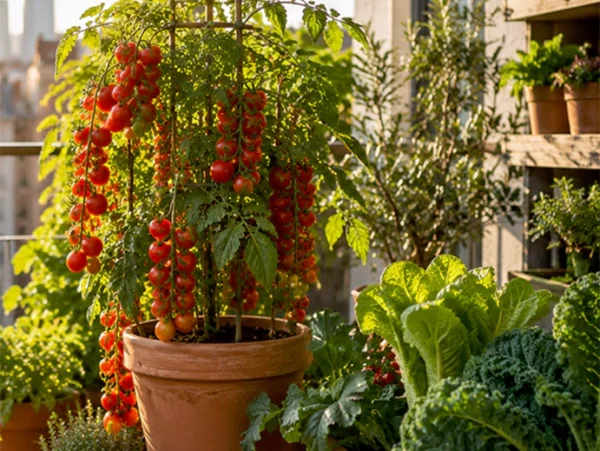
Dreaming of slicing into a heavy, sugar-sweet organic tomato grown right on your own patio or balcony? The Container Gardening Masterclass is your ultimate video blueprint to cultivating massive, juicy fruit in the smallest spaces! Forget stunted growth, dropped blossoms, and disappointing rot.
Through highly visual, step-by-step video tutorials, you’ll master the art of selecting the perfect fabric pots, the essential sucker-pruning techniques that double your yields, and the exact watering routines that eliminate blossom-end rot permanently.
Say goodbye to flavorless, pesticide-laden store-bought produce and confusing agricultural manuals. You’ll also unlock downloadable PDF troubleshooting cheat sheets and micro-climate planting calendars for zero-guesswork success.
Stop guessing and risking your plants. [Get Instant Video Access Now for Just $29.90] and start harvesting baskets of beautiful, organic tomatoes right outside your window today!
If you’ve ever dreamed of harvesting juicy, organic tomatoes from the comfort of your own home, you’re in the right place. Learn how to grow these flavorful gems even if you only have pots or a small yard to work with. With the right techniques and a little dedication, your compact space can turn into a flourishing oasis of fresh produce.
Organic tomatoes are not just better for the environment—they’re better tasting and healthier too. By choosing to grow organically, you can avoid harmful chemicals and ensure that every bite is packed with nutrients and natural flavor. Tomatoes cultivated this way are also more sustainable, giving you peace of mind while you enjoy their deliciousness.
Start by selecting high-quality organic seeds or seedlings suitable for containers or small yards. Prepare nutrient-rich soil and make sure your pots have excellent drainage. Place them where they’ll get plenty of sunlight—at least 6-8 hours daily. Don’t forget to water consistently, stake or cage for support, and use natural compost or fertilizers to supercharge growth. With these straightforward steps, you’ll be well on your way to growing vibrant, healthy tomato plants.
There is nothing quite like the experience of plucking a sun-warmed, sweet, and juicy organic tomato right off the vine. If you think you need a massive backyard or a rural farm plot to cultivate these garden treasures, you are in for a wonderful surprise. Learning how to grow organic tomatoes in pots and small yards is one of the most accessible, high-yield gardening projects you can start.
Tomatoes adapt beautifully to container life. When you understand their basic needs for light, structural support, and deep nutrition, you can turn a small patio, balcony, or garden corner into a thriving, continuous tomato factory.
If you are completely new to gardening, the secret to success lies in choosing the right type of tomato plant. Tomatoes generally fall into two categories:
Determinate (Bush) Tomatoes: These varieties grow to a compact, fixed size (usually 3 to 4 feet tall), fruit all at once, and require minimal pruning. They are the ultimate choice for small spaces.
Indeterminate (Vining) Tomatoes: These varieties keep growing and producing fruit all season long until the first winter frost. They grow massive and require sturdy staking and regular pruning.
Starting from seed gives you access to thousands of incredible heirloom varieties not found at local stores.
Sow: Start seeds indoors 6 to 8 weeks before your region’s last expected spring frost. Sow them 1/4-inch deep in seed-starting cell trays filled with a damp, sterile seed-mix.
Warmth & Light: Keep the tray in a warm area (70°F to 80°F). Once green shoots emerge, immediately place them under a bright grow light or on a south-facing windowsill.
Potting Up: When seedlings reach 3 inches tall, transplant them into slightly larger individual cups to build a strong root base before their final move outside.
Did you know you can grow fresh plants using a slice of a grocery store tomato? If you have an overripe organic tomato, simply cut it into 1/4-inch thick slices. Lay the slices directly onto a pot filled with damp potting soil and cover them lightly with another 1/4 inch of loose dirt. Keep the soil moist. Within 7 to 14 days, you will see clusters of tiny tomato seedlings sprouting directly from the seeds inside the fruit slices! Once they grow a few inches tall, gently separate the strongest seedlings and pot them individually.
| Growth Method | Growing Tomatoes From Commercial Seed Packets | Growing Directly From Fresh Tomato Slices | The Small-Space Verdict |
| Predictability | 100% True to Type. You know exactly how big the plant will grow. | Unpredictable. Grocery store hybrids may produce weak or sterile plants. | Seed packets offer guaranteed compact varieties for small pots. |
| Cost | Minimal cost for a packet containing dozens of reliable seeds. | Completely free. Utilizes kitchen scraps that would be thrown out. | Great for fun, zero-budget home experiments. |
| Disease Resistance | High. Modern seeds are specifically bred to resist common garden wilts. | Low. Store-bought fruit varieties may lack resistance to local soil pathogens. | Certified seeds prevent early plant failure on balconies. |
Tomatoes are incredibly heavy drinkers and develop deep, expansive root networks. To get a massive yield, you must use a large container. The absolute best pots for tomato plants are 5-to-7-gallon breathable fabric grow bags or heavy-duty plastic drainage pots (at least 12 to 14 inches in diameter and depth). Fabric pots are exceptional because they naturally air-prune the roots, preventing the plant from becoming root-bound and stunting its growth.
Can you grow a tomato in a small, 6-inch window planter? Yes, but only if you choose specific micro-dwarf varieties (such as Tiny Tim or Micro Tom). If you attempt to plant a standard cherry tomato in a small pot, the soil will dry out within hours, the roots will suffocate, and the plant will drop its blossoms without fruiting. When planting in small pots, you must water daily and use water-retaining organic amendments like vermiculite.
If you lack an outdoor yard or balcony, growing tomatoes in pots indoors is completely achievable. Because indoor environments lack natural sunlight, you must provide a full-spectrum LED grow light suspended just a few inches above the plant for 14 to 16 hours every day. Additionally, because there is no wind indoors to shake the flowers, you should gently tap the main stems of the plant once a day when blossoms open to assist with self-pollination.
It is incredibly discouraging to spend weeks watering your plants only to watch the yellow blossoms fall off, the bottom of your ripening tomatoes turn black and rotten, or the vines grow into a tangled, unmanageable jungle. Digging through endless online forums takes hours, and generic advice can easily ruin your entire harvest.
You don’t have to waste an entire summer on trial and error.
The Sucker Pruning Formula: The exact visual guide to trimming your vines so your plant channels 100% of its energy into swelling massive, sugary fruit.
The Blossom-End Rot Cure: The simple, organic mineral hack that stops your fruit from turning black and rotting from the bottom up.
The Ultimate Support Setup: How to securely support heavy fruit clusters on a small balcony without expensive equipment.
🎁 LIMITED-TIME BONUS INCLUDED: Downloadable Pest Identification Guides & 12-Month Micro-Climate Planting Calendars (PDF).
👉 [Get Instant Access to The Container Gardening Masterclass Now for Just $29.90]
Regular Price $59 | 30-Day Money-Back Guarantee | No Farm Required
If you are growing indeterminate (vining) varieties in pots, pruning is non-negotiable to keep the plant manageable in a small yard. Locate the “suckers”—the tiny, new leaf shoots that grow out of the “V” space between the main vertical stem and a horizontal branch. Pinch these suckers off with your fingers when they are small. Keeping your plant pruned to a single or double main stem ensures maximum sunlight hits the developing fruit clusters and keeps airflow high, preventing fungal diseases.
If you are looking for highly visual, dynamic demonstrations to supplement your learning, checking out growing tomatoes in pots for beginners youtube videos can offer excellent inspiration for trellis construction and watering setups. Watching over-the-shoulder garden transformations helps build confidence before you make your first pruning cuts.
This common issue is called Blossom-End Rot. It is caused by a calcium deficiency within the plant, which is almost always triggered by inconsistent watering. When a container dries out completely and is then suddenly flooded with water, the plant cannot smoothly transport calcium to the developing fruit. Keep your potting soil consistently damp like a wrung-out sponge.
Because pots evaporate moisture quickly, you will need to check them daily during hot summer weather. Stick your finger 2 inches into the soil; if it feels dry, water deeply at the base of the plant until water pours out of the bottom drainage holes. Never wet the foliage when watering, as wet leaves invite blight and fungal spores.
Yes, absolutely. Tomatoes are aggressive feeders. Fill your pots with rich organic compost at the start. Once the plant begins blooming and setting fruit, feed it every two weeks with a low-nitrogen, high-potassium organic liquid fertilizer (like a liquid kelp or organic tomato emulsion) to encourage heavy fruit production rather than just excess leaf growth.
Don’t let a small space or past gardening failures stop you from enjoying the deeply rewarding experience of growing your own food. By choosing the right container size, keeping your watering routine consistent, and pruning away lazy vine growth, you can harvest baskets of beautiful, aromatic tomatoes right outside your door.
[Get Instant Access to The Container Gardening Masterclass] today. Secure your complete video training modules alongside our quick-reference PDF guides, and discover how simple it is to turn your small yard or balcony into a high-yield organic paradise!



评价
目前还没有评价