
Stop Guessing. Start Harvesting.
Stop Guessing. Start Harvesting.
原价为:$59.90。$29.90当前价格为:$29.90。
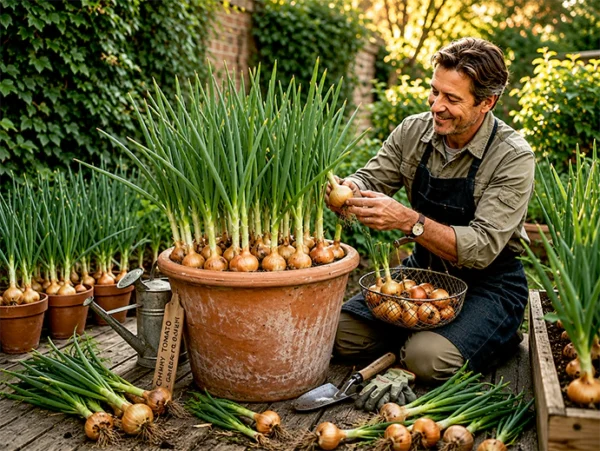
Dreaming of pulling heavy, crisp organic onions directly from your own balcony pots or patio boxes? The Container Gardening Masterclass is your ultimate video blueprint to cultivating massive, flavorful bulbs in the smallest spaces! Forget tiny, marble-sized crops and disappointing rot.
Through highly visual, step-by-step video tutorials, you’ll master the art of selecting wide, shallow container setups, the mid-season organic feeding switch that forces bulbs to double in size, and the essential pantry-regrowth techniques for an endless supply of kitchen greens.
Say goodbye to store-bought produce and confusing agricultural manuals. You’ll also unlock downloadable PDF curing checklists and micro-climate planting calendars for long-term storage success.
Stop guessing and risking your plants. [Get Instant Video Access Now for Just $29.90] and start harvesting baskets of beautiful, organic onions today!
Onions are the culinary backbone of almost every great meal. From savory sautés to crisp summer salads, a steady supply of onions is a kitchen necessity. While many people think onions require expansive, commercial farm rows, they are actually incredibly well-suited for compact spaces. Learning how to grow organic onions in pots and small yards is a fantastic way to secure a high-yield, pest-resistant crop right outside your kitchen door.
Onions have shallow root systems, making them highly efficient space-savers. Whether you have a sunny balcony, a small raised bed, or a patio corner, you can easily cultivate premium, organic bulbs that outflavor anything from the supermarket.
How you choose to start your onion crop dictates your overall timeline and the size of your ultimate harvest.
Starting onions from seed offers the widest variety of choices (such as specific red, white, or yellow heirloom types). Sow your seeds indoors 8 to 10 weeks before your region’s last expected spring frost. Keep the soil warm and moist; once seedlings look like tiny green chives, they can be hardened off and transplanted out into your pots or small yard beds.
If you want a faster, highly reliable shortcut, grow your onions from “sets” (small, immature onion bulbs). Onions typically take 90 to 120 days to reach full maturity when grown from bulbs, compared to 150+ days from seed. Bulbs are highly resilient, easy to handle, and rarely succumb to early spring cold snaps.
Many home gardeners want to know if they can grow fresh food directly from their kitchen pantry. You absolutely can grow onions from cut onions! If you have an onion that has started sprouting green shoots in your cupboard, do not throw it away. Carefully slice away the outer layers of the onion, leaving the central sprouted core intact with a small portion of the bottom root plate. Place this root base directly into a pot filled with rich organic soil, and it will rapidly establish itself, providing you with an endless supply of fresh green salad scallions.
| Growth Factor | Growing Onions From Bulbs (Sets) | Growing Onions From Seed | The Small Space Advantage |
| Time to Maturity | Fast. Harvestable bulbs in 90–120 days. | Slow. Requires 150–175 days from sowing. | Saves weeks of time, perfect for shorter seasons. |
| Success Rate | Extremely High. Resilient against cold and pests. | Moderate. Delicate seedlings require careful indoor nurturing. | Highly reliable for beginners with zero experience. |
| Variety Selection | Limited to standard yellow, white, or red varieties. | Excellent. Access to rare, global heirloom types. | Seeds allow you to try sweet, gourmet varieties. |
| Cost Efficiency | Cheap, but purchased annually. | Lowest cost per plant; hundreds of seeds per packet. | Maximizes value for tight urban gardening budgets. |
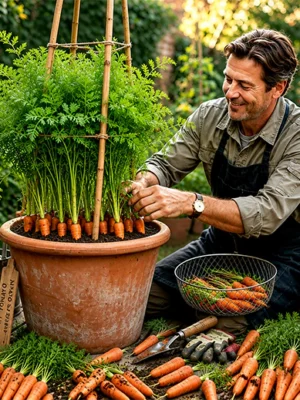
Because onions expand outward and have shallow roots, the best container for growing onions is a wide, shallow planter rather than a deep, narrow pot. Look for long window boxes, rectangular planters, or breathable fabric grow bags that are at least 8 to 10 inches deep. Fabric grow bags are particularly incredible for onions because they prevent the roots from circling and allow for maximum oxygenation, which encourages larger bulb development.
When setting up your pots, spacing is everything. Fill your container with a loose, well-draining organic potting mix enriched with plenty of compost.
For Green Onions (Scallions): You can plant them tightly, leaving just 1 to 2 inches of space between each plant.
For Large Bulb Onions: Space your plants at least 4 to 5 inches apart. If they are crowded too closely together, their bulbs will remain small and stunted.
To estimate your small yard or patio layout, a general rule of thumb is to plant roughly 50 to 100 onion plants for a family of four. Because onions store incredibly well for months when cured properly, planting a batch of 80 bulbs in early spring will keep your kitchen supplied with organic aromatics through the summer and well into the autumn.
It is incredibly frustrating to wait months for your harvest, only to pull up your onions and find they are the size of marbles, or worse, have turned to mush from root rot. Searching through endless agriculture blogs takes hours, and generic advice often destroys your crop.
You don’t have to waste an entire growing season on trial and error.
The Bulb Bulking Secret: The exact nutrient and watering routine to apply at mid-season to force your onions to grow massive, heavy bulbs.
The Long-Term Storage Hack: How to properly dry and cure your harvest so your homegrown onions stay fresh and crisp in your pantry for up to 6 months.
Day-Length Mastery: How to choose the perfect onion variety (Short-Day vs. Long-Day) for your exact geographic location so your plants actually form bulbs.
🎁 LIMITED-TIME BONUS INCLUDED: Downloadable Pest & Deficiency Guides & 12-Month Urban Planting Calendars (PDF).
👉 [Get Instant Access to The Container Gardening Masterclass Now for Just $29.90]
Regular Price $59 | 30-Day Money-Back Guarantee | No Farm Required
To achieve massive, prize-worthy bulbs in pots and small yards, you must manage three essential factors:
Uncompromised Sunlight: Onions require a minimum of 6 to 8 hours of direct, blazing sunlight daily. Without intense light, the leaves cannot generate enough energy to swell the bulb below.
High-Phosphorus Nutrition: While young onions love nitrogen for leaf growth, too much nitrogen late in the season results in massive green tops but tiny bulbs. Switch to an organic fertilizer rich in bone meal or rock phosphate mid-season to stimulate heavy bulb expansion.
Loosen the Soil: Ensure your soil mix contains perlite or coarse sand. If the soil compacts, the bulb physically cannot expand against the heavy pressure of the dirt.
When an onion plant sends up a thick, central stalk with a flower bud at the top, this is called bolting. It usually happens due to sudden temperature stress (like a freak cold snap followed by high heat). Once an onion bolts, the bulb stops growing and becomes tough. Immediately harvest and eat bolted onions fresh; do not try to store them, as they will rot quickly.
Onions give you an unmistakable biological signal when they are done growing: the green tops will naturally turn yellow, weaken at the neck, and fall over flat onto the ground. Once about 50% to 60% of your onion tops have fallen over, stop watering entirely. Let them sit in dry soil for a few days, then gently pull them up by the neck on a sunny day to begin the curing process.
Onions are actually fantastic natural pest deterrents! Their strong organic sulfur scents naturally repel common garden pests like aphids, rabbits, and deer. The main issue container growers face is fungal gnats or root rot caused by overwatering. Always let the top inch of your potting mix dry out completely before watering deeply again.
Don’t let a lack of farmland stop you from growing one of the most essential ingredients in the culinary world. By selecting wide, shallow containers, maintaining proper spacing, and switching your organic nutrients at the right time, you can harvest baskets of beautiful, pungent onions right outside your door.
[Get Instant Access to The Container Gardening Masterclass] today. Secure your complete video training modules alongside our quick-reference PDF guides, and discover how simple it is to achieve total food self-sufficiency in small spaces!

评价
目前还没有评价