
Stop Guessing. Start Harvesting.
Stop Guessing. Start Harvesting.
原价为:$59.90。$29.90当前价格为:$29.90。
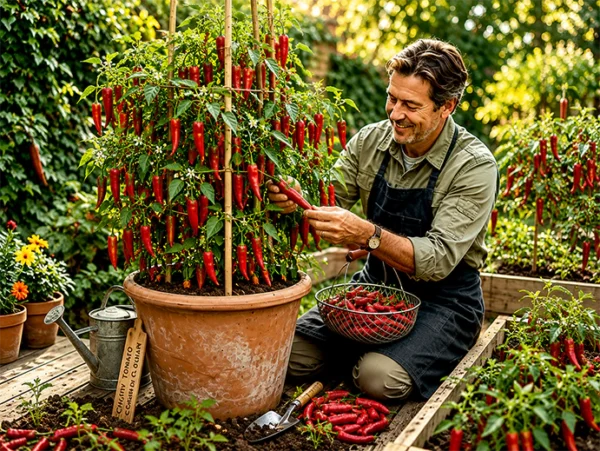
Ready to harvest fiery, 100% organic chili peppers right from your balcony or yard? The Container Gardening Masterclass is your ultimate video blueprint to becoming a pepper master. Stop guessing through conflicting advice. In this course, you’ll discover exactly how to start seeds at home, where to buy disease-resistant varieties, and how to blend the perfect lightweight organic potting soil.
Through step-by-step video tutorials, we break down the best low-nitrogen organic fertilizers to stop blossom drop and triple your yields, alongside pet-safe neem oil hacks for zero-chemical pest control.
Whether you have a 3-foot patio or a small yard, you’ll unlock a continuous, spicy harvest. [Get Instant Video Access Now for Just $29.90] and claim your downloadable PDF guides today!
There is nothing quite like the pride of harvesting your own vibrant, fiery chili peppers right outside your door. Whether you want a mild crunch or an intense, tongue-scorching heat, you do not need an expansive farm to become a chili master. Learning how to grow organic chili peppers in pots and small yards is one of the most efficient ways to maximize space, customize your soil ecology, and produce a continuous harvest of colorful, pesticide-free peppers.
Chili plants are naturally compact, making them the absolute perfect candidates for urban gardening. In this comprehensive guide, we will break down the exact steps to take your chilis from seed to a spectacular, spicy harvest.
Starting your chili journey at home is incredibly simple but requires patience. Chilis are tropical heat-lovers. Start your seeds indoors 6 to 8 weeks before your region’s last expected spring frost.
Sow seeds 1/4-inch deep in small organic starter trays, keep the soil consistently damp, and place them in a warm spot (ideally 75°F to 85°F / 24°C to 29°C). Once the seedlings develop two sets of true leaves, transplant them into their final containers. For high yields, plant only one chili plant per 3-to-5-gallon pot to ensure the roots have ample room to expand without competing for nutrients.
When looking for seeds optimized for pots, look for compact, bushier varieties such as Jalapeño, Habanero, Thai Bird’s Eye, or patio-specific bell peppers. You can purchase high-quality organic seeds from reputable, certified organic seed companies online or visit your local independent garden center, making sure to look for the “USDA Certified Organic” seal on the packet.
Small yards and balconies can sometimes suffer from stagnant airflow, making plants vulnerable to mosaic viruses or wilt. To prevent this, check online organic seed catalogs and filter your search for disease-resistant strains (often marked with codes like V, F, or TMV on the packet). Heirloom organic seed cooperatives are fantastic resources for sourcing resilient varieties that have naturally adapted to survive common garden diseases without the need for chemical interventions.
| Feature | Container Chili Gardening (Pots) | Small Yard / In-Ground Beds | The Space-Saving Advantage |
| Soil Temperature | Warms up faster. Accelerates early spring growth. | Warms up slowly; dependent on local ground climate. | Faster growth and earlier fruit production in pots. |
| Moisture Control | Drains rapidly; requires more attentive watering. | Retains moisture longer but prone to compaction. | Eliminates the risk of waterlogging and root rot. |
| Mobility & Protection | Excellent. Can be moved indoors during early autumn frosts. | Fixed. Vulnerable to sudden temperature drops or hail. | Extends your harvesting season into winter. |
| Weed Competition | Virtually zero weeds competing for root space. | Requires regular pulling to keep soil nutrients clear. | Low maintenance; ideal for busy professionals. |
Chilis are heavy feeders that require loose, well-aerating soil to build sturdy stems and abundant blossoms.
Never use standard yard dirt in a pot; it will compact like cement, suffocating the roots. For container chilis, look for a premium, lightweight certified organic potting mix that contains a base of sphagnum peat moss or coco coir, mixed with perlite for drainage. The ideal soil should feel fluffy to the touch and allow water to run freely through the pot’s drainage holes.
If you are planting directly into a small yard bed, build up the soil quality by mixing in equal parts native soil and rich organic compost or aged leaf mold. This creates a loamy, living soil structure. For ground planting, slow-release organic granular fertilizers rich in bone meal and kelp meal are ideal, as they break down naturally over months to continuously feed the root zone.
Because pots lose nutrients every time you water, container chilis need a regular feeding routine.
Early Stages: Use a balanced organic liquid seaweed or fish emulsion every two weeks to build strong green foliage.
Flowering & Fruiting Stages: Once you see the first white blossoms form, switch to a low-nitrogen, high-potassium organic fertilizer (like an organic tomato or pepper liquid feed). Too much nitrogen at this stage will cause the plant to grow massive leaves but drop all its flowers, resulting in zero peppers!
It is incredibly frustrating to spend weeks watering your plants only to watch the blossoms drop off, the leaves curl up from hidden pests, or the peppers stay tiny and flavorless. Searching through conflicting online forums takes hours, and bad advice can ruin your entire crop.
You don’t have to guess your way through the growing season.
The Blossom Drop Cure: The exact environmental and watering adjustments to ensure every single flower turns into a heavy chili.
The Heat & Flavor Secret: How to strategically manage water stress to increase the capsaicin and depth of flavor in your peppers.
100% Organic Defense: How to safeguard your balcony oasis from common bugs using safe, household ingredients.
🎁 LIMITED-TIME BONUS INCLUDED: Downloadable Pest Diagnostic Guide & 12-Month Urban Micro-Climate Planting Guides (PDF).
👉 [Get Instant Access to The Container Gardening Masterclass Now for Just $29.90]
Regular Price $59 | 30-Day Money-Back Guarantee | No Backyard Required
Because container plants sit close to your living spaces, toxic chemical sprays should be completely avoided. If pests attack, rely on these highly effective, safe organic solutions:
Organic Horticultural Neem Oil: A natural botanical extract that safely disrupts the life cycle of aphids, spider mites, and thrips without leaving harsh chemical residues on your food.
Insecticidal Soap: A gentle, biodegradable contact spray that instantly eliminates soft-bodied pests while remaining completely safe for use around children and household pets.
Leaf curling is usually a sign of stress caused by either sucking pests like aphids under the leaves, or a nutrient deficiency (often a lack of calcium due to irregular watering). Check the undersides of the leaves carefully for tiny bugs. If clean, ensure you are watering consistently—letting the pot get bone-dry and then drowning it disrupts the plant’s ability to transport vital nutrients.
Chilis are sun-worshipers. They require a minimum of 6 to 8 hours of direct sunlight daily to produce a high-yield harvest. If your balcony or small yard sits in partial shade, the plant will still grow, but it will produce significantly fewer flowers and the peppers will take much longer to ripen.
You can harvest chilis when they are green, but they reach their maximum sweetness, heat, and nutritional value when they fully transition to their final color (usually vibrant red, orange, or yellow). The pepper should feel firm to the touch and snap off the vine easily when pulled gently upward. Pro tip: Always wear gloves when harvesting hot varieties!
Don’t let limited space or the fear of a brown thumb keep you from building your own living pantry. By avoiding the common pitfalls of poor soil choices, incorrect fertilization, and uncontrolled pests, you can enjoy a continuous supply of gorgeous, spicy peppers.
[Get Instant Access to The Container Gardening Masterclass] today. Secure your complete video training modules alongside our quick-reference PDF guides, and start picking baskets of sweet, fiery organic chilis right outside your window!
John Doe –
Vestibulum mattis ullamcorper velit sed ullamcorper morbi tincidunt ornare massa.