
Stop Guessing. Start Harvesting.
Stop Guessing. Start Harvesting.
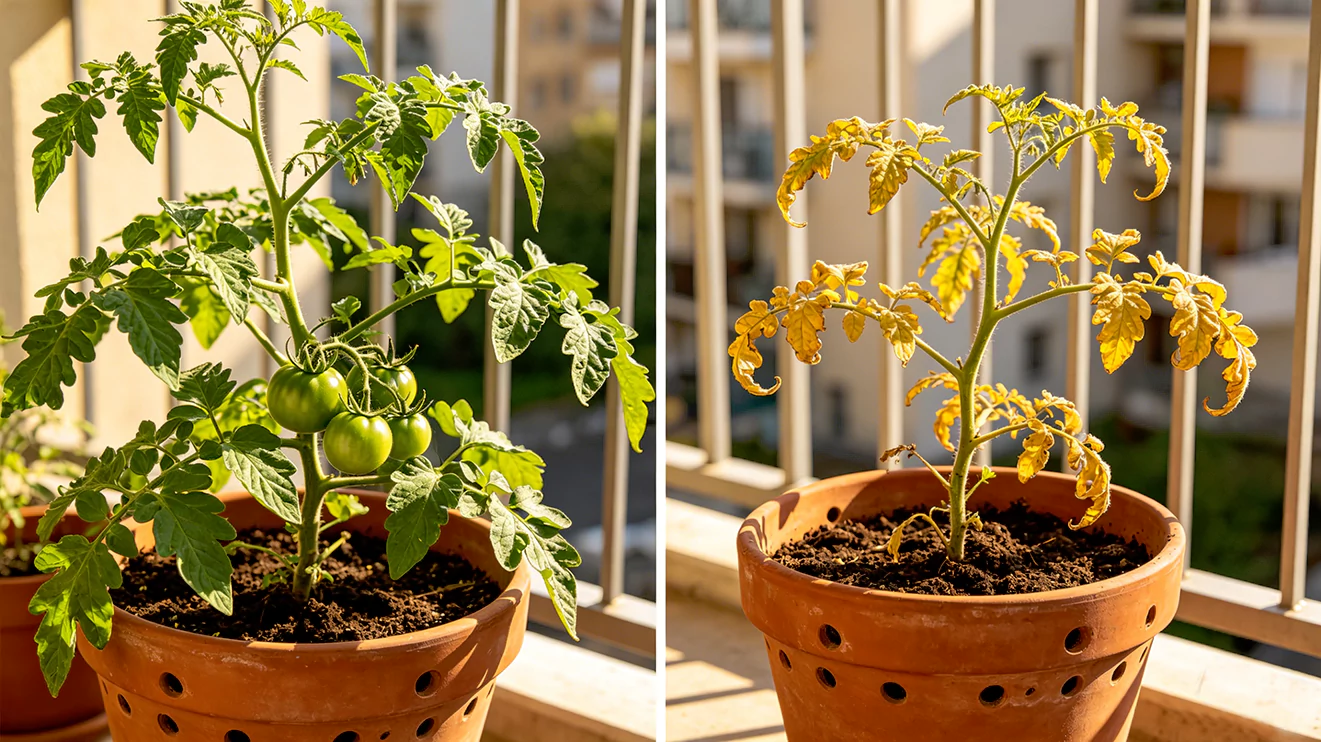
Tomato leaves curl for several reasons, including heat stress, inconsistent watering, over-pruning, nutrient imbalances, pest infestations, and certain diseases. In most cases, leaf curling is caused by environmental stress rather than a serious disease. Identifying the specific cause early can help restore healthy growth and protect your harvest.
Many gardeners immediately assume that curled tomato leaves mean disease.
However, research and grower experience show that environmental stress causes the majority of leaf curling cases.
Before applying sprays or removing plants, check for common stress factors such as watering habits, temperature fluctuations, container size, and fertilizer use.
| Cause | Likelihood | Severity |
|---|---|---|
| Heat Stress | Very Common | Low |
| Inconsistent Watering | Very Common | Moderate |
| Over-Pruning | Common | Low |
| Nitrogen Excess | Common | Moderate |
| Herbicide Drift | Less Common | High |
| Viral Disease | Rare | High |
| Aphids or Whiteflies | Common | Moderate |
Different curl patterns often point to different causes.
| Symptom | Likely Cause |
|---|---|
| Leaves Curl Upward | Heat Stress |
| Leaves Curl Downward | Water Stress |
| Twisted New Growth | Herbicide Damage |
| Curling With Yellowing | Nutrient Deficiency |
| Curling With Insects Present | Pest Infestation |
| Severe Curling Plus Stunted Growth | Possible Virus |
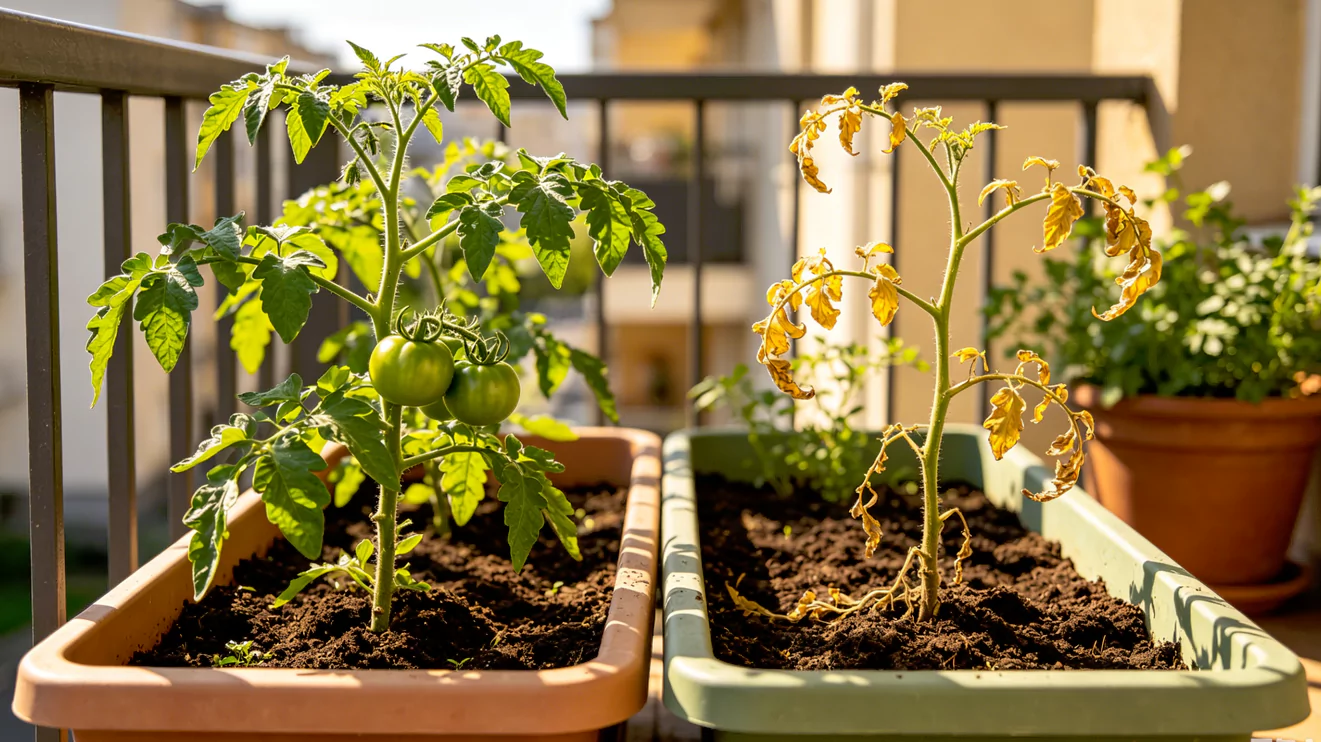
Heat stress is one of the most common reasons tomato leaves curl.
When temperatures rise above 90°F (32°C), tomato plants often curl their leaves to reduce water loss through transpiration.
This natural defense mechanism helps the plant conserve moisture.
Tomatoes dislike extremes.
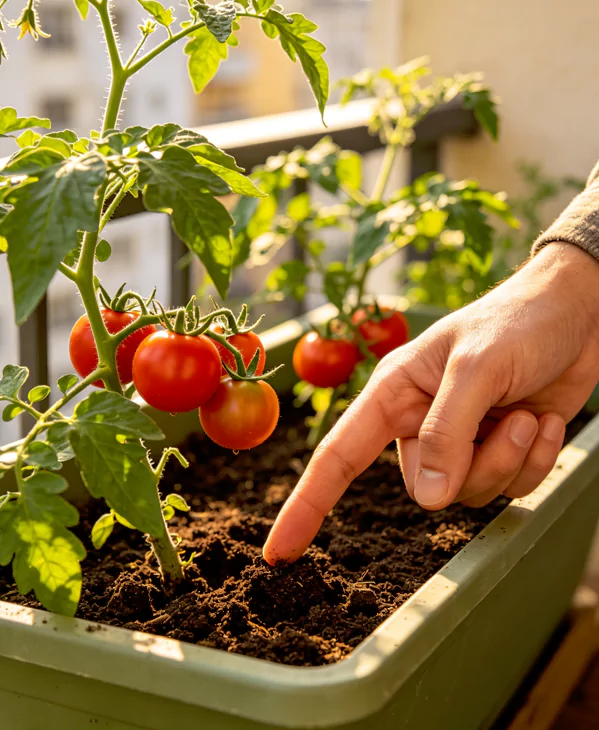
Allowing containers to become completely dry and then soaking them heavily can trigger leaf curl.
Container-grown tomatoes are particularly vulnerable because pots dry out much faster than garden beds.
| Watering Habit | Plant Response |
|---|---|
| Consistent Moisture | Healthy Growth |
| Drought Followed By Heavy Watering | Leaf Curl |
| Constantly Wet Soil | Root Stress |
| Daily Shallow Watering | Weak Roots |
Many beginner gardeners remove too many leaves in an attempt to improve airflow.
Excessive pruning reduces the plant’s ability to produce energy through photosynthesis.
The result is often stress-induced leaf curl.
Remove only:
Avoid removing more than 20% of foliage at one time.
Nitrogen promotes leafy growth.
However, excessive nitrogen can create lush, dark green plants with curled leaves and limited fruit production.
| Symptom | Present |
|---|---|
| Dark Green Leaves | Yes |
| Excessive Foliage | Yes |
| Curled Leaves | Often |
| Poor Fruit Production | Often |
Switch to a balanced tomato fertilizer if over-fertilization is suspected.
Small insects can cause significant damage.
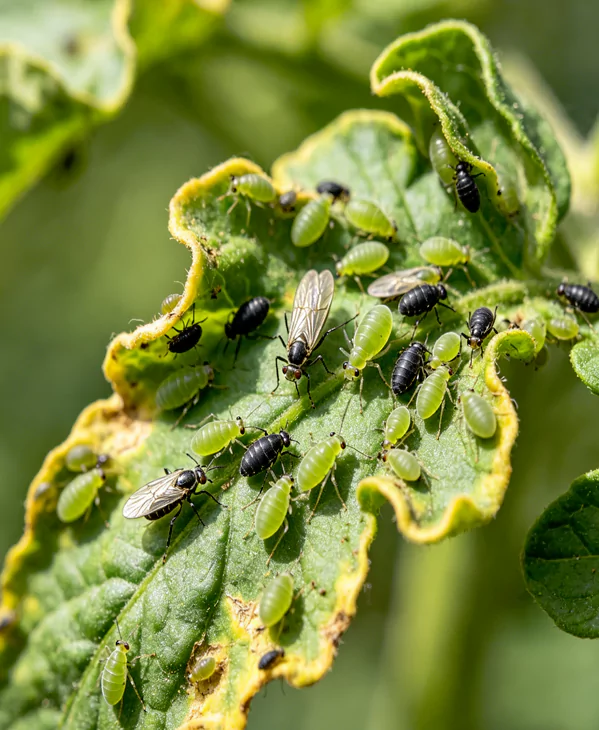
Aphids, whiteflies, and broad mites often feed on tender new growth, causing leaves to curl and distort.
| Pest | Symptoms |
|---|---|
| Aphids | Curled New Growth |
| Whiteflies | Yellowing Leaves |
| Broad Mites | Twisted Leaves |
| Spider Mites | Speckled Leaves |
Inspect the undersides of leaves weekly.
If your tomato leaves appear twisted, distorted, or fern-like, herbicide drift may be responsible.
Tomatoes are extremely sensitive to weed killers.
Even small amounts carried by wind can damage plants.
Unfortunately, recovery depends on the severity of exposure.
Although less common, viruses can cause severe curling and stunted growth.
| Characteristic | Stress Curl | Viral Curl |
|---|---|---|
| Plant Growth | Normal | Stunted |
| Fruit Production | Slightly Reduced | Severely Reduced |
| Recovery Possible | Usually | Rarely |
| Spread To Other Plants | No | Yes |
If a virus is confirmed, removing the infected plant is often the best option.
Most cases can be prevented with proper care.
✅ Use containers at least 5 gallons
✅ Water consistently
✅ Mulch container soil
✅ Avoid over-pruning
✅ Inspect for pests weekly
✅ Use balanced fertilizers
✅ Provide support cages or stakes
✅ Monitor weather during heat waves
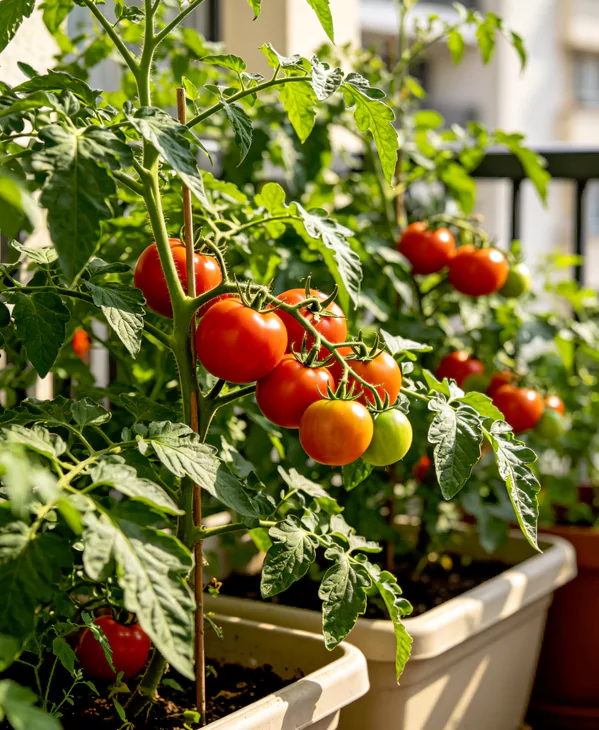
Tomato stress factors vary by climate.
| USDA Zone | Main Challenge |
|---|---|
| 3-4 | Short Growing Season |
| 5-6 | Spring Frost Risk |
| 7-8 | Ideal Conditions |
| 9-10 | Heat Stress |
| 11 | Extreme Heat |
Understanding your USDA Zone helps you identify whether weather-related stress may be causing leaf curl.
Sometimes. If the cause is environmental stress, new growth often returns to normal once conditions improve.
Only if they are diseased or severely damaged. Otherwise, leave them on the plant.
Yes. Excess moisture can stress roots and trigger curling.
Most plants recover quickly once temperatures become more moderate and watering is consistent.
No. Most cases are caused by environmental stress rather than disease.
Download our free guide and receive:
✅ USDA Zone Planting Calendar
✅ Tomato Growing Cheat Sheet
✅ Container Size Guide
✅ Pest Identification Guide
✅ Balcony Garden Planning Checklist
If you’re tired of guessing why your tomato plants struggle, our Tomato Growing Masterclass provides a complete step-by-step system covering:
✅ Seed selection
✅ Container growing techniques
✅ Watering and fertilization
✅ Disease prevention
✅ Maximizing harvest yields
You may also enjoy:
YardVeggie helps urban gardeners grow more food in small spaces through practical balcony gardening, container growing, and high-yield harvesting techniques. Our guides are designed specifically for apartment dwellers, beginners, and home gardeners who want reliable results without needing a backyard.