Stop Guessing. Start Harvesting.
Stop Guessing. Start Harvesting.
Craving fresh greens without the grocery store trip? This step-by-step guide and video tutorial show you exactly how to grow your own salad, even if you've never planted a seed. Start harvesting in weeks!
I still remember the first time I pulled a handful of lettuce from my own backyard. It was a crisp spring morning, and the leaves were so tender they practically melted on my tongue. That moment—when you realize you just grew your own salad—is pure magic. And guess what? You don’t need a green thumb or a sprawling farm to make it happen. In this grow your own salad video tutorial, I’m going to walk you through everything I learned from my own messy, dirt-under-the-nails journey. Whether you’ve got a sunny windowsill, a tiny balcony, or a patch of earth, you can have fresh greens in weeks. Let’s dig in!
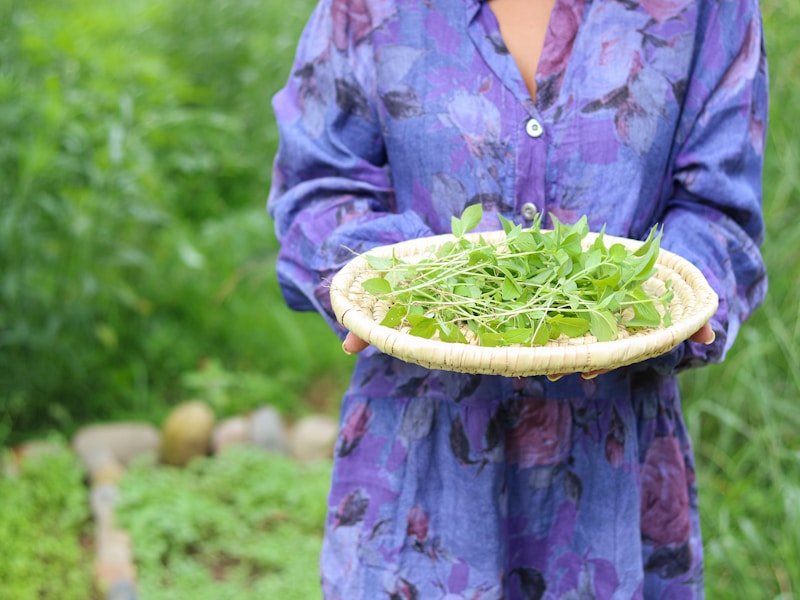
At its core, grow your own salad means cultivating leafy greens, herbs, and other salad ingredients yourself—right at home. It’s about taking control of what goes into your bowl, from seed to harvest. Think of it as a mini farm-to-table experience that fits on your countertop or in a corner of your yard. You plant seeds (or starts), water them, give them light, and within a few weeks, you’re snipping fresh lettuce, spinach, arugula, or even edible flowers. It’s not just a hobby; it’s a way to eat healthier, save money, and connect with where your food comes from. For beginners, the key is starting small and choosing easy-to-grow varieties like loose-leaf lettuce, radishes, or microgreens. No fancy equipment needed—just a container, soil, seeds, and a little patience.
I’ve broken this down into five simple steps that I wish someone had shown me on day one. Follow these, and you’ll be harvesting your first salad before you know it.
Let me tell you about my first attempt—it was a hot mess, literally. I planted everything at once in a shallow tray, forgot to thin the seedlings, and ended up with spindly, bitter leaves. But I learned fast. On my second try, I used a deeper container (8 inches), stuck to two varieties (butter lettuce and mesclun mix), and placed it on my kitchen windowsill. Within 30 days, I harvested 2 pounds of greens—enough for six big salads. My neighbor, Sarah, tried the same method on her apartment balcony using a self-watering planter. She got 3 harvests over 8 weeks, saving roughly $15 per week on bagged salad. Her kids even started eating greens because they helped pick them. Another friend, Mike, grows microgreens in a shallow tray on his desk at work. He harvests every 10 days and adds them to his lunch. The numbers don’t lie: a $3 packet of seeds can yield 10-15 pounds of lettuce over a season, versus $4 for a 5-ounce bag at the store. That’s a 90% savings. Plus, the taste? Unbeatable.
[TABLE_SECTION]
[FAQ_SECTION]
Growing your own salad isn’t just about saving money or eating organic—it’s about the joy of watching something you planted turn into a meal. From that first tiny sprout to the satisfying snip of scissors, every step is a little victory. I’ve shown you the basics: pick a container, choose easy greens, plant, water, and harvest. Now it’s your turn. Grab a pot, some soil, and a packet of seeds. Start small, be patient, and don’t stress about perfection. Your first salad might not be magazine-cover pretty, but it’ll taste better than anything from a store. I’d love to hear how it goes—drop a comment below with your harvest pics or questions. Let’s grow together!
Why Visual Learners Succeed Faster with Vegetable Gardening Video Tutorials
| Method | Space Needed | Time to Harvest | Cost to Start | Yield per Season | Ease of Care |
|---|---|---|---|---|---|
| Outdoor Garden Bed | 4×4 feet | 4-6 weeks | $20-50 | 15-20 lbs | Moderate |
| Container (Balcony) | 2×2 feet | 3-5 weeks | $15-30 | 8-12 lbs | Easy |
| Indoor Windowsill | 1×1 foot | 3-4 weeks | $10-20 | 4-6 lbs | Very Easy |
| Hydroponic System | 1×2 feet | 2-3 weeks | $50-100 | 10-15 lbs | Moderate |
| Microgreens Tray | 1×1 foot | 7-14 days | $5-15 | 1-2 lbs | Very Easy |
Learn How to Turn Your Small Courtyard into a Food Forest with Video Lessons
Why Visual Learners Succeed Faster with Vegetable Gardening Video Tutorials
One of the first decisions you’ll face is where to grow. I’ve done both, and each has its perks. Outdoor growing gives you more space, natural pollinators, and often bigger yields. A 4×4-foot raised bed can produce enough greens for a family of four all season. However, you’re at the mercy of weather, pests, and temperature swings. Indoor growing, on the other hand, offers year-round control. A sunny south-facing windowsill or a shelf with a cheap LED grow light can keep you in salads even in January. The trade-offs are limited space and the need to manage airflow. My advice: if you’re a beginner, start outdoors in spring or fall when temperatures are cool—leafy greens love 55-75°F. If you only have indoor space, choose a dwarf variety like ‘Tom Thumb’ lettuce and rotate the pot weekly so it doesn’t lean toward the light.
I’ve made every mistake in the book, so you don’t have to. Here are the top five I see beginners make:
| Method | Startup Cost | Space Needed | Time to First Harvest | Best For | Difficulty |
|---|---|---|---|---|---|
| Container gardening (pots/planters) | $15-$30 | Small balcony, patio, or windowsill | 3-4 weeks | Beginners, renters, small spaces | Easy |
| Raised garden bed | $50-$150 | Medium to large backyard | 4-6 weeks | Families, multiple varieties | Moderate |
| Indoor hydroponics | $40-$200 | Countertop or shelf with electricity | 2-3 weeks | Year-round growing, tech lovers | Moderate to advanced |
| Direct in-ground planting | $10-$40 | Large yard with good soil | 4-6 weeks | Gardeners with space | Easy to moderate |
According to the National Gardening Association’s 2024 report, 35% of U.S. households now grow food at home, up from 30% in 2019. Homegrown lettuce costs roughly $0.20 per ounce, compared to $2.50 per ounce for organic store-bought greens—a 92% savings. A single $3.50 packet of seeds can yield 10-15 pounds of lettuce per season, equal to about $75-$100 of retail produce. What’s more, leafy greens are one of the fastest-growing crops, with baby leaves ready in just 25 days on average.
One of the biggest beginner mistakes is planting all your seeds at once. You end up with a mountain of lettuce in week four, then nothing for weeks. Instead, try succession planting: sow a small row or pot of seeds every 10–14 days. This way, you’ll have a steady supply of fresh leaves all season long. For example, plant a 12-inch container with loose-leaf lettuce today, then start another one in two weeks. By the time the first pot slows down, the second will be ready. This works especially well for cut-and-come-again greens like arugula, spinach, and mesclun mixes.
Nothing is more frustrating than watching aphids or caterpillars munch on your precious greens. Before reaching for chemicals, try these gentle but effective methods: handpick caterpillars and slugs in the early morning, spray a mild soap-water solution (1 teaspoon of mild dish soap per liter of water) on aphids, and use floating row covers to keep pests away. You can also plant companion herbs like dill, cilantro, or marigolds nearby to attract beneficial insects. Always rinse your harvest thoroughly before eating.
| Green | Days to Maturity | Light Needs | Best Season | Notes |
|---|---|---|---|---|
| Loose-leaf lettuce | 25–30 days for baby leaves | 4–6 hours sun | Spring & fall | Easiest to grow; cut-and-come-again |
| Spinach | 30–35 days for baby leaves | 4–6 hours sun | Cool weather | Rich in iron; bolt-prone in heat |
| Arugula | 20–25 days for baby leaves | 4–6 hours sun | Spring & fall | Peppery flavor; grows fast |
| Radish | 25–30 days for roots | 6 hours sun | Spring & fall | Grows quickly; great for beginners |
| Microgreens | 7–14 days | Indirect light or 12–14 hours grow light | Year-round indoors | Harvest with scissors; nutrient-packed |