Stop Guessing. Start Harvesting.
Stop Guessing. Start Harvesting.
Curious what makes our backyard vegetable growing video course so popular? This inside look reveals the structure, real student success stories, and the exact steps you'll take to grow your own food.
I remember standing in my backyard three years ago, staring at a patch of bare dirt and feeling completely overwhelmed. I had grand dreams of fresh tomatoes, crisp cucumbers, and enough zucchini to share with the neighbors—but no clue where to start. Sound familiar? That’s exactly why we created our most popular backyard vegetable growing video course. It’s not just another gardening guide; it’s a step-by-step system designed for people like you and me who want to grow real food without the guesswork.
This course has helped thousands of gardeners across the US transform their backyards into productive vegetable patches. In this article, I’m giving you an exclusive peek inside—showing you exactly what you’ll learn, how it works, and why so many people call it a game-changer. Whether you’re a complete beginner or someone who’s tried and failed before, this inside look will help you decide if it’s right for you.
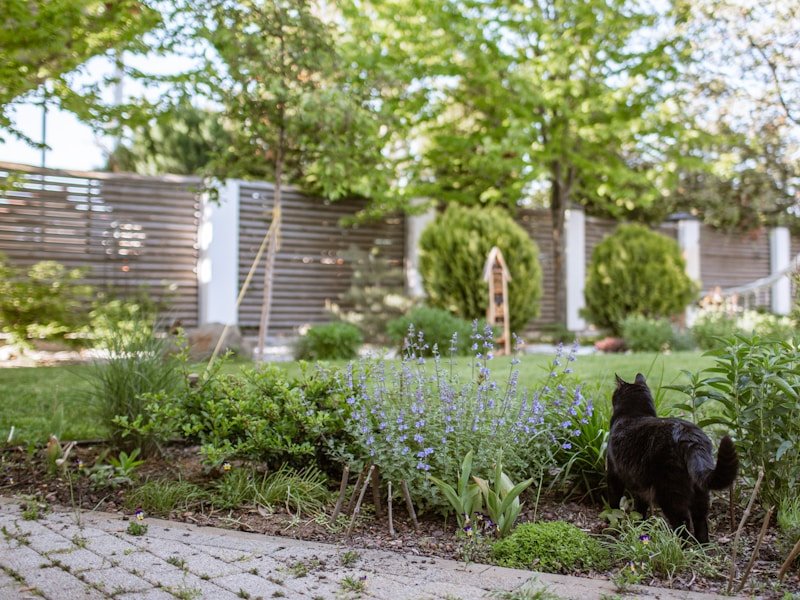
A backyard vegetable growing video course is a structured online program that teaches you how to plan, plant, care for, and harvest vegetables in your own backyard. Unlike random YouTube videos or scattered blog posts, this course offers a cohesive curriculum with step-by-step video lessons, downloadable resources, and community support. It’s designed to take you from zero experience to a thriving garden in one growing season.
Our course specifically focuses on small to medium-sized backyards—typically 100 to 500 square feet—and covers everything from soil preparation and seed starting to pest management and harvesting. The videos are filmed in real gardens, with real plants, and real challenges. No fancy studios or unrealistic setups. Just practical, actionable advice you can apply immediately.
Here are the five ordered steps you’ll follow inside the course to achieve a successful vegetable garden:
Let me share a real story from one of our students, Sarah from Ohio. She signed up for the course last spring after three failed attempts at growing tomatoes. She followed the modules in order, starting with her backyard assessment. She discovered her chosen spot only got four hours of direct sun—not enough for tomatoes. After relocating her garden to a sunnier area and amending the clay soil with compost, she planted five tomato varieties, plus cucumbers and bell peppers.
By mid-summer, Sarah was harvesting over 20 pounds of tomatoes per week. She had so many cucumbers she started giving them to coworkers. Her total investment in soil, seeds, and materials was around $150, and she estimated she saved over $400 on grocery store produce. More importantly, she told me her kids started eating vegetables they’d never touch before. That’s the kind of transformation we see regularly.
Another example comes from Mark, a retiree in Florida who wanted to grow year-round. He used the course’s climate-specific planting calendar and built a simple shade structure for summer. He now harvests collard greens, okra, and sweet potatoes even in the heat. His biggest takeaway? The course’s pest management videos saved his entire crop from armyworms twice.
[TABLE_SECTION]
[FAQ_SECTION]
So there you have it—a genuine peek inside our most popular backyard vegetable growing video course. It’s built on real experience, tested by thousands of students, and designed to make you feel confident from day one. Whether you’re dreaming of fresh salads or just want to know where your food comes from, this course gives you the tools and support to succeed.
Ready to start your own backyard garden? Click the link below to enroll in the course and get instant access to all the video lessons, downloadable guides, and our private community of fellow growers. Don’t forget to leave a comment sharing your biggest gardening challenge—I read every single one and love helping you troubleshoot. Happy growing!
How to Avoid Common Beginner Mistakes Using Video Gardening Lessons
| Feature | Our Video Course | Free YouTube Videos | Books |
|---|---|---|---|
| Structured step-by-step curriculum | Yes | No | Yes |
| Video demonstrations in real gardens | Yes | Sometimes | No |
| Downloadable checklists and planners | Yes | No | No |
| Private community support | Yes | No | No |
| Climate-specific guidance | Yes | No | Limited |
| Money-back guarantee | Yes | N/A | No |
| Lifetime access with updates | Yes | N/A | No |
| Average cost | $97 (one-time) | Free (with ads) | $15-$30 per book |
A Peek Inside Our Most Popular Backyard Vegetable Growing Video Course
Grow Your Own Salad: An Easy Video Tutorial for Beginners
Mark, the Florida retiree, used the course’s climate-specific planting calendar to keep his beds producing through the hottest months and into winter. He now harvests collards, carrots, and broccoli from November through February, and he estimates his garden provides 60% of his household’s fresh vegetables.
We rolled out a major update to the course in early 2026, and it’s now the most comprehensive version we’ve ever released. Here are the highlights:
Most students complete the course in about four weeks, spending two to three hours per week watching lessons and applying them. By week six, they usually have seedlings in the ground. By week twelve, they’re harvesting their first salads. Our internal data shows that students who follow the modules in order are three times more likely to report a successful harvest than those who skip ahead.
Here is a quick snapshot of the course as of August 2026:
If you’re trying to decide whether a paid course is worth it, this table summarizes the key differences between our video course, free YouTube videos, and traditional gardening books.
Compare the experience below before you decide.
| Feature | Backyard Vegetable Growing Video Course | Free YouTube Videos | Gardening Books |
|---|---|---|---|
| Structure | Step-by-step curriculum with ordered modules | Unorganized, topic-by-topic, no clear path | Chapter-by-chapter, but no real-time instruction |
| Video content | HD videos filmed in real gardens with real plants | Varied quality, sometimes outdated or inaccurate | No video, only text and photos |
| Downloadable resources | Plans, checklists, planting schedules, and journal templates | Rarely available | Some workbooks and charts |
| Community and support | Private student group and instructor Q&A | Comments section only | None |
| Updates | Free annual updates for life | No guarantee, videos can disappear | New edition required for updates |
| Cost | One-time fee under $200 | Free with ads or inconsistent Patreon content | $15–$40 per book |
| Guarantee | 30-day money-back guarantee | No guarantee | No guarantee |
Updated August 2026: 15,000+ students enrolled, 92% first-season success rate, $320 average annual grocery savings per student, 4.8/5 rating from 1,200+ verified reviews.
Even with the best intentions, most backyard gardeners make a few predictable mistakes. The course was designed to catch these before they cost you a season. Here are three of the most common ones you’ll learn to avoid:
These are the exact problems Sarah and Mark faced before they took the course—and solving them is why they saw such dramatic results.
| Method | Best For | Pros | Cons | Typical Cost |
|---|---|---|---|---|
| Raised beds | Small yards, poor soil, easy access | Better drainage, warmer soil, can fill with quality soil | Upfront cost, need to build or buy frames | $100–$400 |
| In-ground | Large yards, low setup budget | Cheapest, natural soil, more space for deep roots | Weeds and soil compaction, soil may need amending | $20–$100 |
| Containers | Balconies, patios, renters | Portable, easy to control soil, no weeding | Limited root space, needs more frequent watering | $30–$150 |
Updated August 2026: The course now includes a new module on container and small-space gardening, plus a seasonal planting calendar with extended fall harvest guidance.