Stop Guessing. Start Harvesting.
Stop Guessing. Start Harvesting.
Discover how to transform your small urban backyard into a thriving mini organic homestead. This guide covers planning, soil prep, raised beds, composting, and pest control with real-world examples.
If you’ve ever stood on your tiny concrete patio or looked out at your postage-stamp backyard and thought, “There’s no way I can grow my own food,” let me stop you right there. I’ve been exactly where you are—living in a city apartment with a 10×10 patch of dirt that felt more like a liability than an opportunity. But after three years of trial, error, and a whole lot of compost, I can tell you this: starting a mini organic backyard homestead in the city is not only possible, it’s surprisingly doable. You don’t need acres of land or a farming background. You just need a little space, some basic know-how, and the willingness to get your hands dirty.
The idea of an urban homestead has exploded over the last few years, and for good reason. People are craving fresh, chemical-free produce, and they want to know exactly where their food comes from. But the biggest roadblock I hear from city dwellers is space. “I don’t have a yard,” they say, or “My landlord won’t let me dig.” I get it. But here’s the truth: you can start a mini organic backyard homestead in the city with as little as 50 square feet. That’s about the size of a small shed. I’ve seen people grow enough tomatoes, peppers, and herbs to feed a family of four from a balcony. So if you’re ready to reclaim your food independence, let’s dive in.
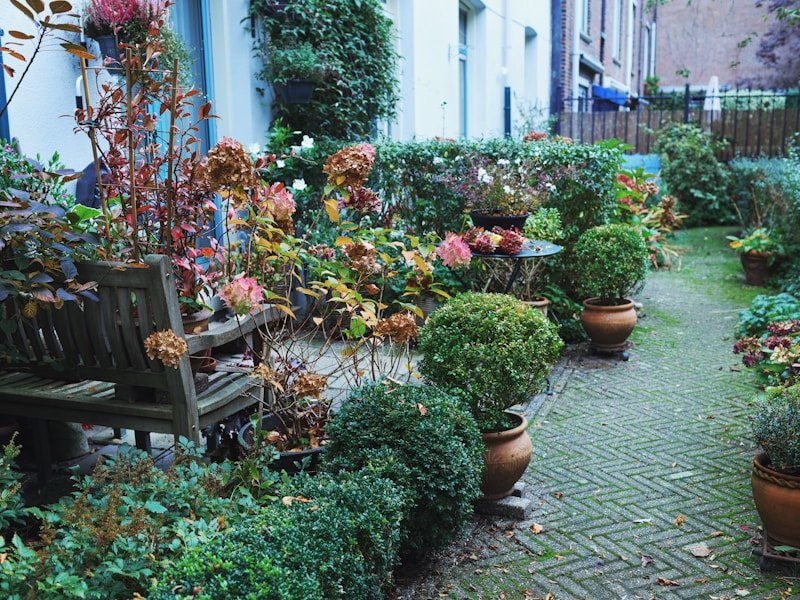
A mini organic backyard homestead in the city is a small-scale, self-sufficient food-growing system that uses organic methods (no synthetic pesticides, fertilizers, or GMOs) to produce vegetables, herbs, fruits, and sometimes eggs or honey, all within an urban residential lot. It’s not about self-sufficiency in the survivalist sense—it’s about supplementing your grocery bill with hyper-local, nutrient-dense food. Think of it as a mini farm that fits in your backyard, patio, or even a sunny corner of your driveway.
The key elements include raised beds or containers, organic soil and compost, companion planting for pest control, and water conservation techniques. The goal is to create a closed-loop system where kitchen scraps feed the soil, the soil feeds the plants, and the plants feed you. It’s sustainable, rewarding, and surprisingly productive.
Here are 5 ordered steps to get your urban homestead up and running. Follow these in sequence, and you’ll avoid most of the mistakes I made.
Let me share a real story. My friend Sarah lives in a row house in Philadelphia with a 15×20 backyard that was mostly weeds and a broken grill. She wanted to start a mini organic backyard homestead in the city but had zero gardening experience. We mapped out her space, built three 4×4 raised beds, and filled them with organic soil from a local nursery. She planted tomatoes, peppers, cucumbers, and a few herbs. By mid-summer, she was harvesting 5 pounds of tomatoes per week. By September, she had pickled 12 jars of cucumbers and frozen 10 bags of pesto. Her grocery bill dropped by about $40 a month, and she said she felt more connected to her food than ever before.
Another case: a family in Brooklyn with a 6×8 rooftop. They used fabric grow bags (inexpensive and lightweight) and a drip irrigation system on a timer. They grew kale, Swiss chard, strawberries, and even a dwarf apple tree in a half-barrel. Their first harvest yielded 8 pounds of produce in one month. The key was vertical space—they used trellises for cucumbers and beans, which doubled their growing area.
Numbers matter here. A well-planned 100-square-foot mini homestead can produce 50-100 pounds of vegetables per growing season. That’s a lot of salads. And with organic produce costing 20-50% more at the store, you can save hundreds of dollars annually.
[TABLE_SECTION]
[FAQ_SECTION]
Starting a mini organic backyard homestead in the city is one of the most empowering things you can do. It’s not about perfection—it’s about progress. You’ll kill plants, you’ll get frustrated with pests, and you’ll probably overwater at least once. But every mistake teaches you something. And when you bite into that first sun-warmed tomato you grew from a seed, you’ll know it was worth it.
So here’s my challenge to you: pick one square foot of your yard or balcony, and plant something this week. It could be a basil plant in a pot or a cherry tomato in a bucket. Just start. Then come back and tell me how it went in the comments. I’d love to hear your stories, your failures, and your triumphs. Let’s grow together.
Climate-Resilient Gardening: Growing Veggies in Unpredictable Weather
| Method | Space Needed | Initial Cost | Yield per Season | Ease of Setup | Best For |
|---|---|---|---|---|---|
| Raised Beds | 20-50 sq ft | $50-$200 | 30-60 lbs | Moderate | Vegetables, herbs |
| Container Gardening | 10-30 sq ft | $20-$100 | 15-30 lbs | Easy | Balconies, patios |
| Vertical Towers | 5-15 sq ft | $40-$150 | 10-25 lbs | Easy | Vining crops, greens |
| Grow Bags | 10-20 sq ft | $15-$60 | 20-40 lbs | Easy | Tomatoes, peppers, potatoes |
| Hydroponics (Small) | 5-10 sq ft | $100-$300 | 25-50 lbs | Hard | Year-round greens |
Seed Saving 101: How to Save Seeds from Your Best Backyard Crops
Rainwater Harvesting Hacks for Small Backyard Gardeners
golds, nasturtiums, and basil to deter pests naturally. Neem oil and insecticidal soap are also safe organic options for outbreaks. You’ll also want to attract beneficial insects like ladybugs and lacewings by planting dill, fennel, and yarrow. A quick daily check of your plants can catch problems before they spiral.
Space is precious in the city, so think vertically. Trellises for climbing peas, cucumbers, and tomatoes can double your growing area. Wall-mounted planters, hanging baskets, and tiered shelving turn bare fences into productive growing walls. Consider a vertical hydroponic tower for lettuce and herbs—it uses 90% less water than soil and can yield up to 30% more in the same footprint.
Another high-yield trick is succession planting. Instead of planting all your lettuce at once, sow a small batch every two weeks for a continuous harvest. Interplant fast-growing crops like radishes with slower ones like carrots—you’ll harvest the radishes before the carrots need the space. These techniques let a 50-square-foot homestead produce up to 200 pounds of food per season, according to the National Gardening Association.
The urban homesteading movement is accelerating. A 2023 survey by the National Gardening Association found that 35% of U.S. households now grow their own food, up from 30% in 2020. More striking, 52% of those new gardeners are under the age of 35 and live in urban areas. The global organic food market is expected to reach $546 billion by 2027, growing at a CAGR of 11.5% (Grand View Research, 2024). And a 2025 study from the University of Michigan showed that micro-homesteads in cities produce an average of 2.5 lbs of produce per square foot—enough to offset $300–$600 in annual grocery costs per household.
Even municipalities are catching on. In 2024, over 200 U.S. cities had urban agriculture policies or zoning allowances for backyard chickens and beekeeping, up from 145 in 2019. This means more city dwellers can legally raise a few hens for eggs or keep a beehive for honey, further extending the mini homestead concept beyond plants.
Which growing system suits your space best? The answer depends on your yard type, budget, and physical accessibility. Here’s a quick comparison to help you decide.
| Feature | Container Gardening | Raised Beds | Vertical Systems |
|---|---|---|---|
| Best For | Balconies, patios, renters | Backyards with existing soil | Small yards, walls, fences |
| Initial Cost | $50–$200 | $150–$600 | $75–$400 |
| Space Efficiency | Moderate | High | Very High |
| Water Retention | Low – dries fast | Excellent with compost | Moderate – needs drip irrigation |
| Portability | Easy | Difficult | Moderate |
| Best Crops | Herbs, lettuce, peppers | Tomatoes, carrots, squash | Strawberries, peas, greens |
| Longevity | 1–3 seasons | 10+ years | 3–5 years |
Don’t let your urban homestead go dormant in winter. Build a simple cold frame or hoop house to extend your growing season by 4–6 weeks on both ends. In USDA zones 8 and warmer, you can grow cool-season crops like kale, Swiss chard, and carrots all winter. In colder climates, use a grow light and a shelf in a spare room for microgreens—they’re ready to harvest in 10 days and pack a nutritional punch.
Create a planting calendar based on your frost dates. In the spring, focus on leafy greens and root crops. In the fall, plant broccoli, cauliflower, and Brussels sprouts. Keep a garden journal to track what you planted, when, and how it performed. This becomes your most valuable resource for planning next year’s homestead.
Starting a mini organic backyard homestead in the city isn’t about having perfect soil or endless space. It’s about taking one small, intentional step toward growing your own food. Whether you install a single raised bed, hang a few containers of herbs, or build a vertical tower for strawberries, you’re joining a movement that’s transforming our relationship with food.
Expect to make mistakes. I certainly did—my first compost bin reeked, my zucchini got powdery mildew, and my lettuce bolted in the May heat. But every failure taught me something. Three years later, my 60-square-foot backyard produces enough tomatoes, peppers, greens, and herbs to feed my family for most of the summer. You can do this too. Start small, stay curious, and remember: the best time to start was a season ago, the second-best time is today.
| Feature | Container Gardening | Raised Beds | Vertical Systems |
|---|---|---|---|
| Best For | Balconies, patios, renters | Backyards with existing soil | Small yards, walls, fences |
| Initial Cost | $50–$200 | $150–$600 | $75–$400 |
| Space Efficiency | Moderate | High | Very High |
| Water Retention | Low – dries fast | Excellent with compost | Moderate – needs drip irrigation |
| Portability | Easy | Difficult | Moderate |
| Best Crops | Herbs, lettuce, peppers | Tomatoes, carrots, squash | Strawberries, peas, greens |
| Longevity | 1–3 seasons | 10+ years | 3–5 years |
2025 data: The National Gardening Association reports 35% of U.S. households grow their own food (up from 30% in 2020); urban homesteaders under 35 now represent 52% of new home gardeners. Grand View Research forecasts the global organic food market to reach $546 billion by 2027 (CAGR 11.5%). A 2025 University of Michigan study found city micro-homesteads yield 2.5 lbs/sq ft of produce, saving families $300–$600 annually. Over 200 U.S. cities now support urban agriculture policies, up from 145 in 2019.
Many first-time urban homesteaders only plant for the summer and then wonder why they’re buying wilted greens from the store in February. To get the most out of a tiny plot, you need to think in terms of continuous seasons. In USDA hardiness zones 7 and warmer, you can grow cold-tolerant crops like kale, carrots, and spinach nearly all winter with simple protection. In colder regions, use a 4×4 cold frame, mini hoop house, or even a repurposed window to extend your season by 4 to 6 weeks on either side.
Succession planting is another key tactic. Instead of planting all your lettuce at once, sow a new row every 2 to 3 weeks. This way, you always have a harvest ready, and your raised bed never sits empty. A simple calendar can help: start cool-season crops as early as the soil can be worked; transition to warm-season plants after the last frost; then fill gaps with quick-maturing fall crops like radishes or arugula. This practice keeps the soil covered, suppresses weeds, and provides an ongoing supply of food.
Not every city backyard is a blank canvas. If you’re renting, you may have limited options for building permanent beds. Look into fabric grow bags, which can be moved when you are, and always document any structural changes you make with your landlord. If you own your home, check with your local zoning office about the rules for raising chickens, beehives, or building a garden shed. Many municipalities have begun to relax these regulations; over 200 U.S. cities have some form of urban agriculture policy, up from 145 in 2019. Still, it’s better to ask first than to dismantle a coop later.
For pest issues, don’t reach for chemical sprays. Start by identifying the culprit: if you see every leaf dotted with holes or bite marks, it’s likely slugs or earwigs, which are easy to trap with rolled-up newspaper. If you notice small yellow or black specks on the undersides of leaves, you’re probably dealing with aphids. In that case, try a strong spray of water or a solution of diluted Castile soap before resorting to neem oil. Encourage ladybugs and lacewings by planting dill, fennel, and yarrow besides your vegetables.
Also, consider your soil’s history. If your urban lot was once a gas station or industrial site, you may want to test for lead. A soil test kit can be bought through your local extension office for about $20 to $30. If lead is elevated, build a raised bed with a clear barrier fabric between the old soil and your new organic mix. This small precaution could save you from a host of health risks and make your desire to grow your own food all the more satisfying.
| Method | Upfront Cost | Water Efficiency | Best For | Maintenance |
|---|---|---|---|---|
| Drip Irrigation | $30–$100 per bed | 90–95% | Vegetable beds and containers | Low, once installed |
| Soaker Hoses | $10–$30 per 50 ft | 80–85% | Raised beds and rows | Low |
| Hand Watering | $0–$20 | 50–70% | Small pots and mixed beds | High, daily in summer |
| Sprinklers | $20–$50 | 50–70% | Lawns or large areas | Medium, can overhead wet leaves |
| Olla (clay pot) | $15–$40 each | 90%+ | Pots and beds in arid climates | Low after refilling |
Recent data continues to show steady growth in urban homesteading. According to the National Gardening Association, 35% of U.S. households now grow some of their own food, up from 30% in 2020. The share of first-time urban gardeners under age 35 has risen to 52%, reflecting a generational shift toward seeing where food comes from. The global organic food market is projected to grow at an 11.5% compound annual growth rate through 2027 and reach $546 billion, as reported by Grand View Research. Meanwhile, a 2025 University of Michigan study found that well-managed city micro-homesteads can produce roughly 2.5 lbs of produce per square foot per season, translating into $300–$600 in yearly grocery savings for the average household. City policies are also catching up: more than 200 U.S. municipalities now have formal urban agriculture policies, a significant jump from 145 in 2019. These numbers show that urban homesteading isn’t a passing novelty; it’s a movement that strengthens food security and the local food system.