
Stop Guessing. Start Harvesting.
Stop Guessing. Start Harvesting.
原价为:$59.90。$29.90当前价格为:$29.90。
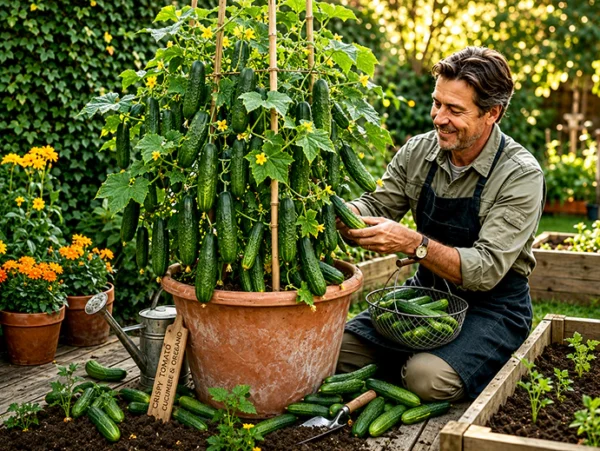
Craving the crisp, refreshing snap of homegrown cucumbers right from your balcony? The Container Gardening Masterclass is your foolproof video blueprint to turning small spaces into a high-yield salad bar. No backyard? No problem. Through bite-sized, crystal-clear video tutorials, you’ll master the vertical trellising systems that triple your space, the 5-second hand-pollination trick for guaranteed fruit, and the exact watering routine that eliminates bitterness entirely.
Say goodbye to powdery mildew, dropped blossoms, and wasted seasons. You’ll also unlock downloadable PDF troubleshooting cheat sheets and planting calendars for instant clarity.
Stop guessing and risking your plants. [Get Instant Video Access Now for Just $29.90] and start harvesting baskets of sweet, organic cucumbers right outside your door today!
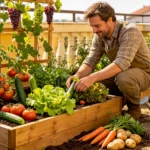
Nothing beats the refreshing, crisp snap of a cucumber picked straight from the vine. If you think you need a sprawling backyard or years of farming experience to harvest your own food, think again. Learning how to grow high-yield cucumbers at home is one of the most rewarding and productive projects you can start, even if your garden is just a small patio, a sunny balcony, or a tight backyard corner.
Cucumbers are natural climbers and fast growers. By utilizing the right container setups, soil formulas, and vertical spacing techniques, you can turn a tiny space into a continuous, summer-long salad bar.
To get the absolute maximum number of cucumbers from your plants, you must set them up for success from day one. Cucumbers need room for their roots and a clear path to climb.
The 5-Gallon Gold Standard: If you are growing in pots, plant only one cucumber plant per 5-gallon container (at least 12 inches deep and wide). Overcrowding stunts root development and drops your yield.
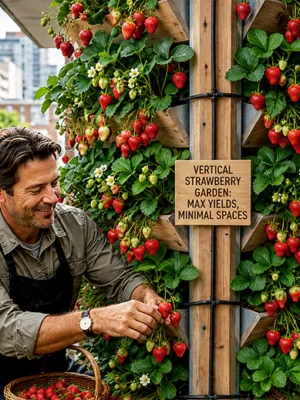
Go Vertical: Cucumbers are natural climbers. Providing a sturdy trellis, a mesh net, or A-frame support is the ultimate secret to high yields. Vertical gardening saves horizontal space, keeps the fruit clean off the ground, and dramatically improves airflow—which keeps diseases away.
| Growth Factor | Container Gardening (Pots/Balcony) | Traditional In-Ground Garden | The Home Gardening Advantage |
| Space Required | Minimal. Requires less than 3 square feet of floor space. | Requires a dedicated, large plot of land. | Perfect for urban apartments and rental homes. |
| Soil & Drainage Control | Perfect. 100% control over the loose, organic growing medium. | Harder. Often deals with heavy clay or compacted dirt. | Eliminates waterlogging, preventing root rot from the start. |
| Pest & Weed Pressure | Virtually zero weeds and fewer soil-borne crawling pests. | Heavy weed competition and vulnerable to burrowing pests. | Saves hours of maintenance and requires fewer chemical interventions. |
| Yield Potential | High concentration of fruit per square foot using vertical trellises. | High overall yield but requires vast horizontal space. | Maximum efficiency for small-scale home growers. |
Cucumbers are mostly water, but building those crisp, juicy fruits requires a steady supply of high-quality nutrients.
Skip the heavy, dense dirt from the yard, which compacts easily in pots. Instead, blend this ultra-porous, nutrient-rich potting medium:
50% Premium Potting Mix: For a lightweight, well-aerated base structure.
30% Rich Organic Compost (or Worm Castings): To supply a steady stream of beneficial microbes and organic matter.
20% Perlite: To guarantee sharp drainage so roots never sit in stagnant water.
Cucumbers are heavy feeders. When the plant is young, it needs balanced nutrition to grow vines. However, once the first yellow blossoms appear, switch to a low-nitrogen, high-potassium organic fertilizer (such as a liquid fish emulsion and kelp blend) every two weeks. High nitrogen at this stage will give you massive green leaves but zero cucumbers!
It is incredibly discouraging to water your plants every day only to watch the yellow flowers drop off, the leaves develop mysterious white powder, or the few cucumbers you do get turn bitter and misshapen. Digging through random online forums takes hours, and bad advice can kill your plants overnight.
You don’t have to waste an entire growing season on trial and error.
The Hand-Pollination Trick: The 5-second method to ensure every single yellow blossom transforms into a crisp, harvestable cucumber.
The Bitterness Cure: The exact watering and stress-management routine that guarantees sweet, juicy flesh every single time.
Organic Disease Defense: How to completely protect your vines from powdery mildew and pests using safe, household ingredients.
🎁 LIMITED-TIME BONUS INCLUDED: Downloadable Pest & Deficiency Visual Diagnostic Chart & 12-Month Planting Calendar (PDF).
👉 [Get Instant Access to The Container Gardening Masterclass Now for Just $29.90]
Regular Price $59 | 30-Day Money-Back Guarantee | No Backyard Required
Cucumbers are highly sensitive to drought stress. If the soil dries out completely, the plant protects itself by producing a chemical called cucurbitacin, making the fruit taste incredibly bitter. Keep the soil consistently damp, like a wrung-out sponge. Check your pots daily during hot summer days—stick your finger an inch into the soil; if it feels dry, water deeply until it runs out the bottom drainage holes.
If you are growing on a high-rise balcony or a enclosed patio, you might notice small miniature cucumbers turning yellow and falling off. This is a lack of pollination.
Cucumbers have separate male and female flowers. If bees aren’t visiting your space, you have to act as the bee! Take a small makeup brush or Q-tip, gently swirl it inside a male flower to collect the yellow pollen, and dab it directly into the center of the female flowers (the ones with the tiny baby cucumber at the base).
(Note: Use the Rank Math or Yoast FAQ Block in Gutenberg to insert this section for maximum Google Rich Snippet visibility)
Most container-friendly cucumber varieties (like Bush Champion or Spacemaster) are incredibly fast. You can expect your very first harvest within 55 to 65 days from the day you plant the seeds. Once production begins, pick the fruits every 2 to 3 days to encourage the vine to keep blooming and producing more.
This is likely Powdery Mildew, a very common airborne fungal disease that thrives in warm, humid conditions with poor airflow. You can treat it organically by mixing 1 tablespoon of baking soda with a few drops of liquid soap in a gallon of water and spraying the leaves. Prevent it by watering the base of the soil directly—never wet the leaves.
Cucumbers are absolute sun-worshipers. They require a minimum of 6 to 8 hours of direct sunlight daily to produce sweet, high-yielding fruit. If your home or balcony gets partial shade, your vines will still grow, but your overall harvest will be significantly lower.
Don’t let a lack of backyard space or fear of failure stop you from growing your own crisp, pesticide-free food. Avoid the common pitfalls of underwatering, poor soil mix, and failed pollination.
[Get Instant Access to The Container Gardening Masterclass] today. Download your complete video training modules alongside our quick-reference PDF guides, and start picking baskets of sweet, crunchy cucumbers right outside your door!



John Doe –
Condimentum id venenatis a condimentum vitae. Tristique senectus et netus et malesuada fames ac turpis egestas.