Stop Guessing. Start Harvesting.
Stop Guessing. Start Harvesting.
Commercial balcony vegetable production depends on support systems that carry heavy fruit loads, resist wind, and fit structural limits. This guide covers load-rated staking, anchoring, training, and maintenance for tomatoes, cucumbers, peppers, and squash.
If you manage a commercial balcony farm, rooftop garden, or urban agriculture installation, learning how to stake heavy balcony vegetables is not a gardening hobby question. It is a structural, operational, and financial decision. Heavy fruiting crops, including indeterminate tomatoes, cucumbers, peppers, eggplants, and squash, can produce 10 to 30 pounds of fruit per plant. On an elevated balcony, that load must transfer safely through stakes, cages, trellises, and anchors into the container or building structure without damaging waterproofing or exceeding wind-load limits. The direct answer: choose a support system rated for the crop’s mature weight and local wind exposure, anchor it to the container or a freestanding frame rather than the railing, and train plants weekly to distribute load evenly. For B2B buyers, the goal is a repeatable staking standard that reduces crop loss, labor, and liability.
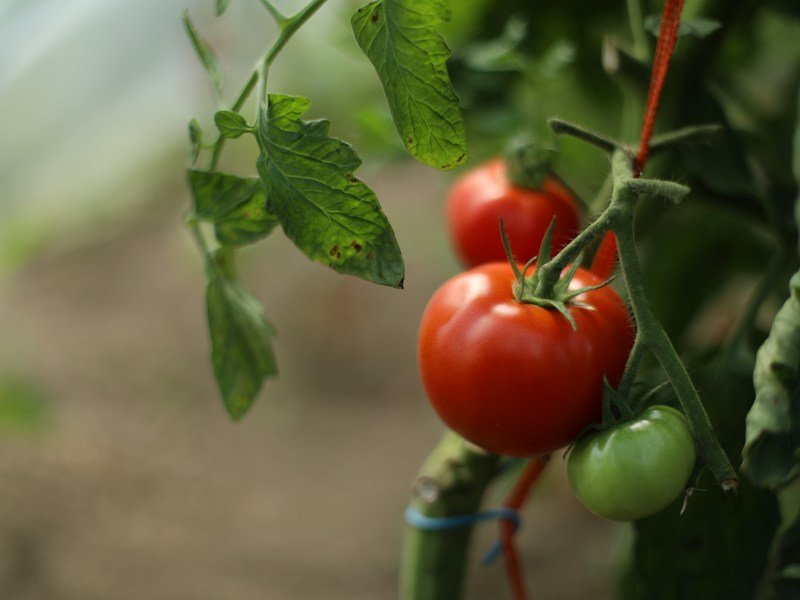
How to stake heavy balcony vegetables refers to the design, selection, and installation of structural support for fruiting vegetables grown in containers on balconies, terraces, and rooftops. Heavy means crops whose mature fruit load can exceed 10 pounds per plant or 40 pounds per linear foot of trellis. Balcony means the system must respect slab load limits, railing codes, wind tunnels, drainage, and neighbor sightlines. A commercial staking plan includes load-rated stakes or trellis components, non-penetrating anchors, a plant training schedule, and inspection criteria. Cheap Grow Bags for Balcony Vegetables: The 2025 Wholesale Sourcing Guide
Follow these five ordered steps to build a commercial-grade staking program.
| Method | Best Crops | Load Capacity | Wind Resistance | Install Labor | Cost per Plant | Balcony Suitability |
|---|---|---|---|---|---|---|
| Wooden stake (1 in.) | Tomatoes, peppers | 10-15 lb | Low | Low | $1.50 | Short season only |
| Steel T-post (8 ft) | Tomatoes, cucumbers | 30-50 lb | High | Medium | $4.20 | Excellent with ballast |
| Tomato cage (heavy gauge) | Tomatoes, eggplant | 15-25 lb | Medium | Low | $6.00 | Good for containers |
| Florida weave | Tomatoes, peppers | 20-30 lb per row | Medium | Medium | $2.80 | Good for rows |
| Cable trellis (wall-mounted) | Cucumbers, squash | 40+ lb per linear ft | High | High | $12.00 | Requires structural anchor |
| A-frame trellis | Cucumbers, squash | 25-40 lb | High | Medium | $8.50 | Freestanding, wind-safe |
Consider a 1,200 square foot commercial balcony farm in Chicago. The operator grew 300 indeterminate tomato plants in 15-gallon containers. Initial staking used 6-foot wooden stakes and zip ties to the railing. After a 45 mph windstorm, 22 percent of plants fell, causing $4,800 in crop loss and railing damage. The farm switched to 8-foot galvanized T-posts in 30-pound ballasted bases, with 60-pound tensile string and weekly clipping. The result: 28 percent higher marketable yield, 14 percent lower labor per plant, and zero wind failures over two seasons. Material cost increased by $1.85 per plant, but net ROI improved by $6.40 per plant. DIY Organic Fertilizer Masterclass: How Commercial Growers, Nurseries, and Suppliers Build Repeatable In-House Fertilizer Programs
A Seattle rooftop grower used wall-mounted cable trellises for cucumbers and peppers. By setting anchors into structural posts and using turnbuckles, they supported 40 pounds per linear foot. The system reduced container tipping by 90 percent and allowed denser spacing: 1.8 plants per square foot instead of 1.2. For B2B buyers, the lesson is clear: specify load ratings, anchor to structure or ballast, and train early.
Another commercial operation in Miami tested three staking methods for heavy tomatoes over one season. Wooden stakes failed at 18 pounds of fruit load. Heavy-gauge cages held 22 pounds but tipped in 35 mph gusts. Steel T-posts with horizontal high-tensile wire held 45 pounds per plant and showed no movement. The farm standardized on T-posts for indeterminate varieties and A-frame trellises for vining cucumbers. They also added a quarterly structural audit and a wind-response protocol that moves containers to leeward walls when gusts exceed 30 mph.
For B2B procurement, the numbers matter. On a 500-plant balcony farm, switching from thin stakes to load-rated T-posts can cost an extra $1,200 in materials. But preventing a single 15 percent crop loss on $30,000 of tomatoes saves $4,500. Add reduced labor from fewer re-staking tasks, and the payback period is typically one to two seasons. The best systems also improve fruit quality by keeping leaves and fruit off wet surfaces, reducing fungal pressure and unmarketable yield. Upcycled Containers for Growing Vegetables: The Complete B2B Sourcing and Deployment Guide
Balcony staking for heavy vegetables must protect waterproofing, railings, and slab edges. Use rubber pads under ballasted bases to prevent abrasion. Keep anchors away from drains and expansion joints. If using wall-mounted trellises, seal all penetrations with polyurethane sealant and use standoffs to allow drainage. Check balcony railing height and code: most U.S. residential railings are 36 to 42 inches, which is too low for 8-foot tomato vines. A freestanding frame or overhead cable is safer.
Wind is the primary failure mode. A balcony can experience 1.5 to 2 times the ground wind speed due to funneling. Use diagonal bracing on trellises, and choose open mesh rather than solid fabric to reduce sail area. For commercial operations, a wind tunnel test or structural calculation is recommended for installations above the third floor or in coastal zones. How to Start a Vegetable Garden With No Money: A Field-Tested 5-Step Plan for Growers and Programs
Irrigation and staking interact. Drip lines should be secured to the trellis or container, not the plant stem. Heavy fruit loads can shift containers, so use pot risers and leveling shims. If containers are on wheels, lock them or remove wheels for the fruiting season. These details reduce maintenance calls and protect building relationships.
Weekly: inspect ties, clips, and stake bases; remove broken leaves; adjust training. Biweekly: check anchor torque, trellis tension, and container level. Monthly: inspect for UV degradation, corrosion, and pest harborage in ties. Pre-storm: lower tall vines where possible, add temporary diagonal braces, and move containers to protected zones. Post-storm: document damage, replace failed components, and review load assumptions.
For B2B buyers, standardize components across sites. Use one type of clip, one string gauge, and one anchor style. This reduces training time, spare parts inventory, and installation errors. Keep a digital log with photos and torque values. Insurance carriers and building managers increasingly ask for these records after water intrusion or falling-object claims. How to Pinch Pepper Plants for More Yield: A Commercial Grower's Guide