
Stop Guessing. Start Harvesting.
Stop Guessing. Start Harvesting.
原价为:$59.90。$29.90当前价格为:$29.90。
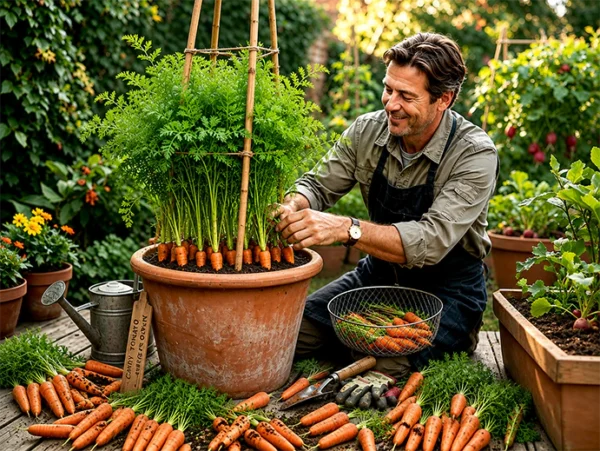
Craving the unmatched sweetness of crisp, home-pulled organic carrots but short on space? You don’t need a farm to grow perfectly straight, pesticide-free roots! Our expert video guide unlocks the 12-inch depth rule, the secret sandy soil recipe, and vital thinning techniques that eliminate common beginner mistakes like stunted or splitting crops. Stop guessing through trial and error. Grab your containers, bypass supermarket prices, and enroll in our masterclass today to turn your balcony into a high-yielding, crunchy organic harvest!
The Ultimate Guide to Growing Organic Carrots in Pots: From Seed to Crunchy Harvest
There is nothing quite like pulling a crisp, vibrant carrot out of the soil, rinsing it off, and taking a sweet, crunchy bite. If you think you need a sprawling backyard or deep farm beds to experience this, think again.
Growing 100% organic, pesticide-free carrots at home is not only possible—it is actually easier in containers! In this foolproof guide, we will walk you through the exact step-by-step blueprint to cultivate a thriving carrot crop right on your balcony, porch, or windowsill.
When it comes to container carrot gardening, the most critical factor is depth. Unlike leafy greens, carrots need vertical space to stretch out. If their roots hit the bottom of the pot too early, you will end up with stunted, twisted, or split carrots.
The 12-Inch Rule: For standard carrot varieties (like Nantes or Danvers), choose a pot that is at least 12 inches (30 cm) deep.
The Space Saver: If you only have shallow window boxes (6–8 inches deep), don’t give up! Simply choose round or miniature varieties like Paris Market or Chantenay.
Drainage is Non-Negotiable: Carrots will rot in soggy soil. Ensure your container has multiple drainage holes at the bottom.
| Feature | Growing Carrots in Pots | Growing Carrots in the Ground | The Container Advantage |
| Soil Texture | Easily filled with loose, stone-free organic mix. | Often compacted, clay-heavy, or filled with rocks. | Zero obstructions means perfectly straight carrots. |
| Pest Protection | Elevated pots stay out of reach of burrowing pests. | Vulnerable to gophers, moles, and low-flying root flies. | Fewer pests without using chemical pesticides. |
| Weed Control | Virtually zero weeds to compete for nutrients. | Requires constant, tedious weeding every week. | Saves hours of labor and protects delicate carrot seedlings. |
| Harvesting | Incredibly easy—just tip the pot or pull gently from loose soil. | Requires heavy digging; high risk of breaking the roots. | Damage-free, clean harvests every time. |
Carrots are sensitive underground engineering projects. If the soil is too heavy or full of rocks, the roots will split or grow crooked. To grow pristine organic carrots, skip the heavy garden soil and blend this ultra-loose, stone-free potting mix:
Premium Organic Potting Mix (50%): Provides the lightweight base structure.
Coarse Sand or Horticultural Sand (30%): The secret weapon for carrots. It loosens the texture and ensures lightning-fast drainage.
Organic Worm Castings or Aged Compost (20%): Delivers a gentle, slow-release dose of nutrients without burning the roots.
⚠️ Pro Tip (The Nitrogen Trap): Never use fresh manure or high-nitrogen fertilizers right before planting. Excess nitrogen causes carrots to grow massive, beautiful green tops while the actual orange roots remain tiny and hairy!
We get it. You follow free, generic gardening tips online, only to end up with cracked roots, pale colors, or seeds that refuse to sprout. Sifting through endless hours of YouTube videos is exhausting, and a single mistake can ruin months of waiting.
You don’t have to guess your way through the growing season.
The Thinning Technique: The exact visual guide to spacing your seedlings so every single carrot grows thick and straight.
The Sweetness Secret: How to time your watering and temperature exposure to trigger maximum sugar accumulation in your roots.
Natural Pest Barriers: How to protect your crop from the dreaded Carrot Root Fly using simple, 100% organic physical barriers.
🎁 LIMITED-TIME BONUS INCLUDED: Downloadable Pest Identification Chart & 12-Month Urban Micro-Climate Planting Calendar (PDF).
👉 [Get Instant Access to The Container Gardening Masterclass Now for Just $29.90]
Regular Price $59 | 30-Day Money-Back Guarantee | No Backyard Required
Carrots hate being transplanted. Always sow the seeds directly into their final pot. Lightly scatter the seeds on top of the moist soil mix and cover them with a very thin layer of soil (about 1/4 inch deep).
Carrot seeds can take up to 14–21 days to germinate. The soil must remain consistently damp like a wrung-out sponge during this time. Cover the top of the pot with plastic wrap or a damp burlap sack to lock in moisture until the first green shoots appear.
When the seedlings reach 2 inches tall, snipping away the weaker plants is essential. Space the remaining carrots 2 to 3 inches apart. If you skip this step, the roots will choke each other out, resulting in thread-like carrots.
(Note: Use the Rank Math or Yoast FAQ Block in Gutenberg to insert this section for maximum Google Rich Snippet visibility)
Carrots thrive in full sun, requiring at least 6 to 8 hours of direct sunlight daily. However, if your balcony only gets partial shade (around 4–5 hours), you can still successfully grow carrots, though they may take a few weeks longer to mature.
Root forking is almost always caused by an obstruction or early root damage. This happens if your soil mix contains tiny pebbles, uncomposted organic matter, or if the soil is too compacted. Using a sifted, sandy organic potting mix entirely prevents this issue.
Check the “shoulder” of the carrot where the green stem meets the soil. Gently brush away a bit of topsoil. If the top of the carrot looks about the thickness of your thumb (or matches the variety description), it is ready! You can also count the days from planting—most varieties mature in 70 to 80 days.
When the top “shoulders” of the carrot push up out of the soil and get exposed to daylight, they produce chlorophyll, turning green. While it can taste slightly bitter, it is perfectly safe. To prevent this, simply push a little extra compost or mulch around the base of the stems to keep the roots in the dark.
Still worried about watering frequencies, pest attacks, or getting your seeds to sprout? Don’t risk wasting months of patience on trial and error.
[Get Instant Access to The Container Gardening Masterclass] today. Download your complete video blueprint along with our premium PDF troubleshooting cheat sheets, and let’s transform your small space into a high-yielding organic oasis!



John Doe –
A diam maecenas sed enim. Feugiat sed lectus vestibulum mattis ullamcorper velit. Sit amet mauris commodo quis. Dolor sed viverra ipsum nunc aliquet bibendum enim facilisis gravida.
Elit ullamcorper dignissim cras tincidunt lobortis. Ipsum nunc aliquet bibendum enim facilisis gravida. Vitae turpis massa sed elementum.