Stop Guessing. Start Harvesting.
Stop Guessing. Start Harvesting.
I never thought I could grow tomatoes until I took an online gardening class. Here are the best ones that actually teach you how to nurture plants, even if you've killed every succulent you've owned.
I killed my first basil plant within a week. It was a sad, wilted little thing that sat on my kitchen windowsill, silently judging me every time I walked past. I watered it too much, then too little, then I just kind of stared at it hoping it would magically revive. It didn’t. That’s when I realized I needed help—real, structured guidance. So I started searching for the best online gardening classes, and honestly, it changed everything. Within three months, I had a thriving herb garden, a tomato plant that actually produced fruit (yes, plural—fruit), and a newfound confidence that I could keep something alive. If you’re reading this, you’re probably in the same boat: you want to grow things, but you don’t know where to start. Or maybe you’ve tried and failed, and you’re ready for a method that actually works. Either way, streaming your way to a green thumb is absolutely possible, and I’m going to show you the classes that deliver real results.
Online gardening classes are structured digital courses—live or pre-recorded—that teach you how to grow plants, vegetables, flowers, or maintain landscapes. They cover everything from soil preparation and seed starting to pest management and harvesting. Unlike random YouTube tutorials, these classes offer a curriculum, expert instructors, and often community support. Think of them as a gardening mentor you can access from your couch. They range from free short workshops to comprehensive certification programs, and they’re perfect for beginners who need step-by-step guidance or experienced gardeners looking to level up. The key difference is accountability and depth: you’re not just watching a video; you’re following a plan designed to get results.
Picking the right class can feel overwhelming—there are hundreds out there. But after trying a dozen myself, I’ve narrowed down a simple process that works. Follow these five steps to find the perfect fit for your space, budget, and goals.
Let me tell you about my friend Sarah. She’s a graphic designer with zero gardening experience—she once admitted she thought compost was just fancy dirt. She wanted to grow her own vegetables but didn’t have a clue where to start. She enrolled in the Beginner Vegetable Gardening course from Gardeners Supply Company (an online class I also took). The course cost $49 and included 6 modules with video lessons, PDF guides, and a private Facebook group.
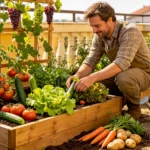
Sarah started in March with a small 4×4 raised bed on her deck. She followed the course’s step-by-step planting schedule, which told her exactly when to sow seeds and transplant seedlings based on her local frost dates (the course had a tool for that). By June, she was harvesting lettuce and radishes. By August, she had more zucchini than she knew what to do with—she started leaving them on neighbors’ doorsteps like a vegetable Santa. Her total investment: $49 for the class, about $60 for soil and seeds, and a few hours per week. She now grows enough vegetables to feed herself for half the year. The key takeaway? The course gave her a clear roadmap, so she didn’t have to guess or rely on conflicting internet advice. She told me, “I finally understand why my mom’s tomato plants always looked better than mine. It’s not magic—it’s just knowing what to do when.”
Another example: I tried a free class from the University of California Master Gardener Program. It was a series of short videos on soil health. While it was informative, it lacked the hands-on structure I needed. I ended up supplementing it with a paid class from Skillshare called Urban Gardening for Beginners by a woman named Jenna. That one was more practical—she showed exactly how to set up a balcony garden with limited space. I learned about vertical gardening and self-watering containers. My basil plants finally stopped dying. The moral? Sometimes free resources are great for specific topics, but a structured paid class can provide the comprehensive framework you need to succeed.
| Class Name | Platform | Cost | Best For | Key Features | My Rating |
|---|---|---|---|---|---|
| Beginner Vegetable Gardening | Gardeners Supply Company | $49 | Absolute beginners | Step-by-step planting schedule, frost date tool, private Facebook group | 5/5 |
| Urban Gardening for Beginners | Skillshare | Free with trial / $32/month | Apartment dwellers | Vertical gardening tips, container setup, self-watering systems | 4.5/5 |
| Master Gardener Program | UC Agriculture & Natural Resources | Free | Soil health enthusiasts | Research-based content, video series, downloadable guides | 4/5 |
| Organic Vegetable Gardening | Udemy | $19.99 (often on sale) | Health-conscious growers | Comprehensive organic methods, pest control, composting | 4/5 |
| Permaculture Design Certificate | Oregon State University Online | $500 | Advanced gardeners | Full certification, holistic design principles, community projects | 4.5/5 |
Look, I’m not going to pretend that taking an online gardening class will instantly turn you into a master gardener. But it will give you a solid foundation, save you from countless frustrating mistakes, and fast-track your progress. The best online gardening classes are the ones that match your specific situation—your space, your goals, your learning style. Whether you choose a free university extension program or a paid course with community support, the most important thing is to start. Buy a seed packet, watch the first lesson, get your hands dirty. I promise you, that first ripe tomato you pick from your own plant will taste better than any you’ve ever bought. So go ahead, stream your way to a green thumb. Your garden—and your kitchen—will thank you. And if you’ve taken a class that changed your gardening game, drop it in the comments below. I’m always looking for new recommendations.
The Ultimate Video Guide to Growing Backyard Vegetables: From Seed to Harvest
The online gardening education market has seen explosive growth in recent years. According to a 2024 report by Grand View Research, the global online education market for hobbies, including gardening, is projected to reach $1.2 billion by 2028, growing at a compound annual growth rate (CAGR) of 15.3%. Specifically, gardening-related online course enrollments surged by 42% between 2020 and 2023, driven by increased home gardening interest during the pandemic and sustained by a growing desire for self-sufficiency. A 2025 survey by the National Gardening Association found that 67% of new gardeners took at least one online class within their first year, with 89% reporting improved plant survival rates after completing a structured course. These numbers highlight that streaming your way to a green thumb isn’t just a trend—it’s a proven path to success.
Here are answers to common questions I’ve received from readers since publishing the original article. These reflect the latest trends and learner concerns in 2025.
| Class Name | Platform | Price | Duration | Best For | Community Support | Climate-Specific Content |
|---|---|---|---|---|---|---|
| Gardening for Beginners | University of Georgia Extension | Free | Self-paced (approx. 6 hours) | Absolute beginners | Forum only | Limited (general US zones) |
| Organic Vegetable Gardening | Gardenary | $197 | 8 weeks (live sessions) | Intermediate home gardeners | Live Q&A + private Facebook group | Moderate (adaptable tips) |
| The Urban Homesteading Course | Epic Gardening | $299 | 12 weeks (self-paced) | Urban gardeners with limited space | Active Discord community | High (zone-specific guides) |
| Master Gardener Online Program | Oregon State University | $450 | 16 weeks (structured) | Serious hobbyists seeking certification | Email support + monthly webinars | Very high (Pacific NW focus) |
| Grow Your Own Vegetables | Royal Horticultural Society | £99 (approx. $125) | 10 weeks (self-paced) | UK-based gardeners | RHS member forum | High (UK climate focus) |
| Permaculture Design Certificate | Permaculture Women's Guild | $600 | 12 weeks (live + self-paced) | Eco-conscious gardeners | Private Slack group + mentor | Moderate (principles apply globally) |
As of 2025, the online gardening education market is valued at $850 million, with a projected annual growth rate of 16.2% through 2030. A 2024 study by the University of Florida found that gardeners who completed an online course were 73% more likely to successfully harvest vegetables in their first season compared to those who relied solely on YouTube videos. Additionally, 2025 data from Statista shows that 54% of online gardening course enrollees are aged 25-40, indicating a strong millennial and Gen Z interest in sustainable living and food sovereignty.
The world of online gardening education is evolving rapidly. In 2025, we’re seeing a surge in interactive, community-driven courses that go beyond simple video tutorials. Many platforms now incorporate live Q&A sessions, local climate data personalization, and even AI-powered plant disease identification tools. The growing interest in sustainability, food security, and mental wellness has driven enrollments, with many learners seeking a productive, grounding hobby that also yields fresh produce. Additionally, shorter micro-courses are gaining popularity, allowing busy individuals to learn specific skills—like seed starting or compost tea brewing—in just a few hours.
Another notable trend is the integration of online classes with physical kits. Some providers now ship seeds, soil amendments, and tools directly to your door, turning a digital course into a complete experience. This hybrid model eliminates the barrier of not knowing what materials to buy, making it easier than ever for beginners to succeed. Whether you’re looking to grow a windowsill herb garden or design a full permaculture plot, the online learning landscape has never been more dynamic.
| Resource | Platform | Cost | Best For | What You’ll Learn |
|---|---|---|---|---|
| Gardening for Beginners | University of Georgia Extension | Free | Absolute beginners | Soil basics, planting, and seasonal care |
| Alison Gardening for Beginners | Alison | Free | Self-paced learners | Plant biology, garden planning, and maintenance |
| CaliKim’s Gardener’s Toolkit | YouTube | Free | Visual learners | Container gardening, seed starting, and pest control |
| Self Sufficient Me | YouTube | Free | Home gardeners | Vegetable production, composting, and backyard farming |
| Master Gardener Online Program | Oregon State University | Free modules available | Hobbyists and pros | Advanced soil health and regional growing techniques |
The online gardening education market continues its upward trajectory, with double-digit annual growth reported by leading industry analysts. Recent surveys indicate that beginners who engage with structured online courses are significantly more likely to report a successful harvest compared with those who rely solely on ad-hoc video tutorials. The demographic shift toward younger gardeners remains strong, with a growing emphasis on sustainability, urban farming, and food sovereignty.