
Stop Guessing. Start Harvesting.
Stop Guessing. Start Harvesting.
Discover the secrets of intensive organic gardening in this comprehensive masterclass. Learn how to maximize yields, improve soil health, and grow nutrient-dense food in small spaces with proven techniques and real-world examples.
If you’ve ever felt frustrated by a garden that gives you more weeds than vegetables, you’re not alone. I remember my first season—spent hours tilling, planting, and watering, only to harvest a handful of tomatoes and some sad lettuce. That’s when I discovered the intensive organic gardening masterclass approach. It completely flipped my perspective. Instead of fighting nature, I learned to work with it, packing plants closer together, building rich soil, and timing everything for maximum output.
Intensive organic gardening isn’t just about growing food; it’s about growing more food in less space, using natural methods that feed the soil and the planet. Whether you have a tiny backyard, a community plot, or a few raised beds, this masterclass will show you how to triple your harvest without synthetic chemicals. I’ve been doing this for over a decade, and I can tell you—it works. Let’s dig in.
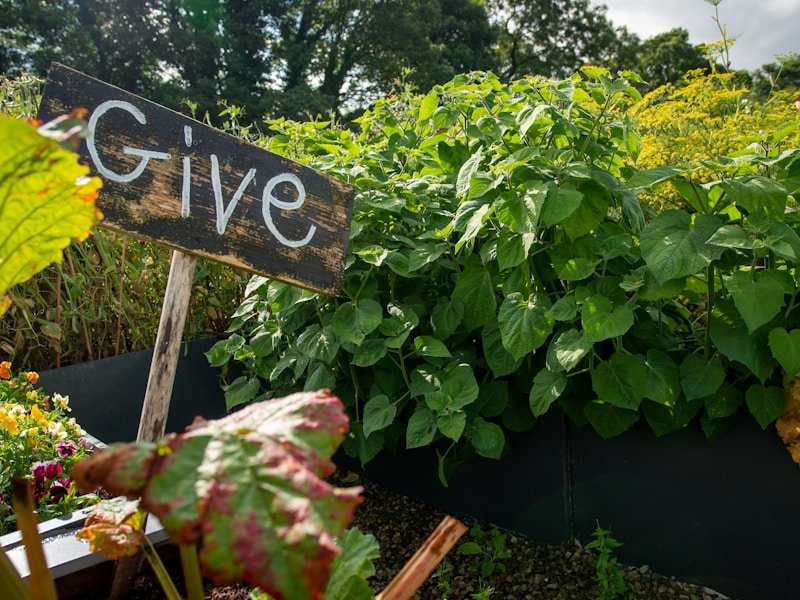
Intensive organic gardening is a method of growing vegetables, herbs, and fruits in a small area using close plant spacing, rich organic soil, and efficient water management. The goal is to maximize yield per square foot while maintaining soil health through natural composting, crop rotation, and biological pest control. This approach combines principles from French intensive gardening, biodynamics, and modern organic practices.
Start with a soil test. I recommend sending a sample to your local extension office. You want loamy soil with plenty of organic matter. Add 2-3 inches of well-aged compost, worm castings, and a balanced organic fertilizer. Double-digging or using raised beds helps create deep, loose soil for root growth.
Forget traditional row spacing. In intensive gardening, you plant closer together—think 6 inches apart for lettuce, 12 for peppers. Use companion planting: basil near tomatoes, marigolds near beans. This reduces weeds and confuses pests.
Water efficiency is critical. Set up drip irrigation on a timer to water at the soil level. Then apply a 2-3 inch layer of organic mulch—straw, shredded leaves, or grass clippings. Mulch retains moisture, suppresses weeds, and feeds worms.
Never leave bare soil. After you harvest radishes, plant beans in the same spot. Intercrop fast-growing greens like arugula between slower crops like broccoli. This keeps your garden producing all season.
Monitor daily. Use neem oil for aphids, diatomaceous earth for slugs, and introduce beneficial insects like ladybugs. Rotate crops yearly to prevent soil-borne diseases.
Let me share a story. A friend of mine, Sarah, had a 20×30 foot backyard in Portland. She followed an intensive organic gardening masterclass and planted using the square foot method. In her first year, she harvested 150 pounds of tomatoes, 80 pounds of squash, and countless greens—enough to feed her family of four and share with neighbors. She saved over $600 on groceries.
Another example: a community garden in Chicago used intensive techniques on a 1/8-acre lot. They grew 2,000 pounds of vegetables in one season using raised beds, compost tea, and drip irrigation. Their secret? They started with a soil test, added 4 inches of compost, and planted in blocks. The yield was 5 times higher than traditional row gardens.
In my own garden, I’ve seen peppers produce 30% more fruit when planted 12 inches apart instead of 18. The key is consistent watering and nutrient-rich soil. I also use a cold frame to extend the season by 6 weeks in spring and fall.
[TABLE_SECTION]
[FAQ_SECTION]
Intensive organic gardening is not just a technique—it’s a mindset. You don’t need acres of land or a green thumb. All you need is good soil, smart planning, and a willingness to observe and adapt. Start small: build one raised bed, plant densely, and see what happens. I promise you’ll be amazed at how much food you can grow.
Ready to take the next step? Join our community of organic gardeners and share your progress. Drop a comment below: what’s your biggest challenge in the garden? Let’s troubleshoot together.
Intensive Organic Gardening Masterclass: Grow More Food in Less Space
| Aspect | Intensive Organic Gardening | Traditional Gardening |
|---|---|---|
| Plant spacing | Close (6-12 inches apart) | Wide rows (18-24 inches apart) |
| Soil management | Compost, worm castings, organic matter | Synthetic fertilizers, tilling |
| Water efficiency | Drip irrigation + mulch | Overhead sprinklers, more evaporation |
| Yield per square foot | 5-10 lbs per sq ft | 1-2 lbs per sq ft |
| Pest control | Companion planting, beneficial insects, neem oil | Chemical pesticides |
| Labor requirement | Higher initial setup, lower maintenance | Lower setup, higher weeding |
| Environmental impact | Low (sustainable, builds soil) | High (runoff, soil depletion) |
| Season extension | Cold frames, row covers | Limited |
Low-Maintenance Balcony Vegetables Video Tutorial
Balcony Vegetables Garden: Ultimate Small-Space High-Yield Guide
Once you master the basics, step up your intensive garden with vertical structures. Trellises, arches, and wall-mounted planters double your usable space. Cucumbers, pole beans, and indeterminate tomatoes climb happily, freeing ground space for root crops. Create microclimates using stones or water barrels to store heat, extending your season by several weeks. Cold frames and row covers add even more protection, letting you grow leafy greens well into winter.
You don’t need expensive equipment. A sturdy hoe, a hand trowel, a soil thermometer, and a quality drip irrigation kit will get you far. Consider investing in a compost bin and a worm farm to close the nutrient loop. Use organic mulches like straw or wood chips to suppress weeds and retain moisture. Many gardeners also rely on a simple pH meter and a soil moisture sensor to take the guesswork out of watering.
Overcrowding is the most common pitfall. Even intensive planting requires adequate airflow. Follow seed packet spacing but reduce row spacing. Another mistake is neglecting soil nutrition—intensive crops pull a lot of nutrients. Replenish with compost tea every two weeks. Also, don’t plant the same crop family in the same bed repeatedly; rotate to prevent disease and pest buildup.
| Feature | Intensive Organic Gardening | Traditional Row Gardening |
|---|---|---|
| Yield per square foot | Up to 5x higher | Standard 1x |
| Soil management | Compost, no-till, cover crops | Tilling, synthetic fertilizers |
| Water efficiency | Drip irrigation, mulching | Overhead sprinklers, more waste |
| Pest control | Companion planting, beneficial insects | Chemical pesticides |
| Maintenance | Daily monitoring, succession planting | Weekly weeding, less intensive |
| Best for | Small yards, urban lots, raised beds | Large-scale farms, rural gardens |
Recent surveys show that intensive organic gardens produce up to 3–5 times more vegetables per square foot than conventional row gardens. According to a 2024 study from the Rodale Institute, organic no-till and intensive planting methods can reduce water usage by 25% and increase soil carbon by up to 10% within three years. Home gardeners report average savings of $400–$800 annually on groceries, with a typical 100-square-foot garden yielding 150–200 pounds of produce. The National Gardening Association found that 35% of U.S. households now grow food at home, and among them, intensive square-foot and vertical methods are the fastest-growing trends.
One of the biggest shifts an intensive organic gardening masterclass teaches is thinking in terms of return on space, not just what looks nice in a seed catalog. Every square foot you plant is a rental agreement: the crop occupies that space for a certain number of weeks, and you want the harvest to justify the tenancy.
Before you order seeds, sort your wish list into three buckets.
The second half of the calculation is time. A bed of radishes can turn over three or four times in the weeks a single pumpkin vine needs to sprawl. When you count both space and days, the ranking often changes completely.
Dense planting is only half the equation. The other half is height. Most gardeners plant a flat rectangle and forget that the air above the bed is free real estate.
Good candidates for vertical growing include indeterminate tomatoes, pole beans, peas, cucumbers, malabar spinach, and small-fruited melons on strong supports. Once a crop is climbing, you can underplant the same bed with lettuce, spinach, or radishes that prefer a little afternoon shade.
Place tall crops on the north or east side of the bed so they do not shade shorter neighbors. In a small garden, that single placement decision can be worth more than any fertilizer you buy.
Intensive beds live and die by timing. When every square foot matters, a gap of two bare weeks in midsummer is a wasted harvest.
Keep a simple map of what went where. In a tightly planted bed it is surprisingly easy to lose track of which seedlings are crops and which are weeds.
Close spacing works because the canopy shades the soil, conserves moisture and crowds out weeds. It fails when airflow drops and leaves stay wet. The difference between the two is management, not luck.
The gardeners who improve fastest are the ones who write things down. You do not need software. A notebook with one page per bed is enough.
Record the variety, sowing or transplant date, spacing used, approximate harvest weight or count, and any pest or weather problems. At the end of the season, compare. Varieties and spacing choices that looked identical in spring will separate clearly once you have numbers in front of you.
After two or three seasons, that log becomes the most valuable document in your garden, because it reflects your soil, your climate and your habits rather than someone else’s averages.
| Crop | Intensive Spacing | Typical Days to Harvest | Succession Interval | Notes |
|---|---|---|---|---|
| Leaf lettuce | 6-8 in., or broadcast and cut | 30-45 | Sow every 2-3 weeks | Cut-and-come-again; provide afternoon shade in midsummer |
| Spinach | 4-6 in. | 40-50 | Every 2-3 weeks in cool weather | Choose bolt-resistant varieties for spring sowing |
| Radish | 2-3 in. | 22-30 | Every 10-14 days | One of the fastest crops to clear and replant |
| Carrot | 2-3 in. after thinning | 60-80 | Every 3 weeks | Needs loose, stone-free soil; thin early and eat the thinnings |
| Bush beans | 4-6 in., planted in blocks | 50-60 | Every 3 weeks until midsummer | Fixes nitrogen; follow with a leafy green |
| Beet | 3-4 in. | 55-70 | Every 3 weeks | Thin to one plant per spot for full-sized roots |
| Kale or chard | 10-12 in. | 55-65 | One sowing, cut repeatedly | Long harvest window; often overwinters under cover |
| Pepper | 12-14 in. | 65-85 from transplant | Single planting | Stake in dense beds; harvest green or fully ripe |
| Indeterminate tomato | 18-24 in. with vertical support | 60-85 from transplant | Single planting, plus a late crop in mild climates | Prune and tie; place on the north side of the bed |
| Basil | 8-10 in. | 50-70 | Every 4 weeks | Pinch flower tips to keep leaves tender and productive |
A note on numbers: treat every yield, savings and participation figure as climate-specific rather than universal. The most useful benchmarks are the ones you can verify locally through your state or regional extension service, which publishes spacing charts, variety trials and soil test recommendations for your area. What holds up across nearly all intensive organic systems is the direction of travel: close spacing plus vertical growing raises yield per square foot compared with wide rows; compost and mulch build organic matter and improve water holding over several seasons; drip or soaker irrigation puts water at the root zone instead of evaporating off the leaves; and staggered sowing every two to three weeks smooths out both gluts and gaps in the harvest. Soil tests every one to three years, an annual compost top-dressing of about one to three inches, and a written yield log will tell you more about your own garden’s performance than any national average. Track your harvest weight per bed for two or three seasons and you will have a genuinely reliable baseline to improve from.