Stop Guessing. Start Harvesting.
Stop Guessing. Start Harvesting.
Do you want to harvest crisp, organic vegetables right outside your apartment door but worry you don’t have the time or experience to maintain a daily garden?
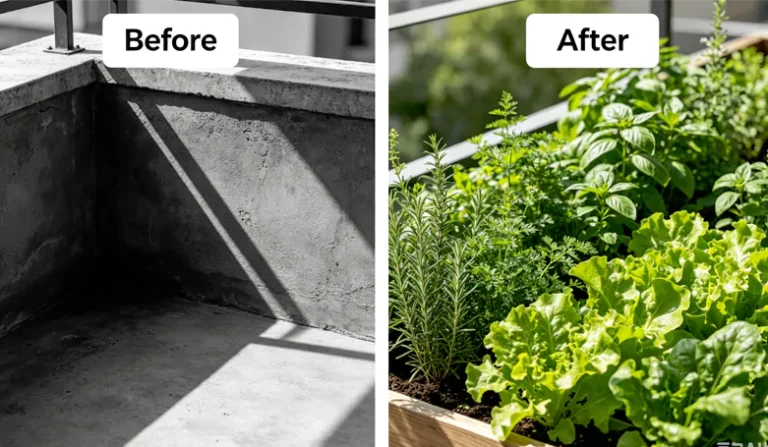
Growing food on an elevated balcony offers an incredible environmental advantage: being isolated above ground level naturally protects your crops from destructive yard pests like moles, rabbits, and root nematodes. By watching a step-by-step video breakdown and utilizing smart potting systems, you can build a high-yielding edible sanctuary that takes less than five minutes of daily upkeep.
This comprehensive guide serves as the ultimate script and framework for setting up a low-maintenance balcony vegetable garden from scratch.
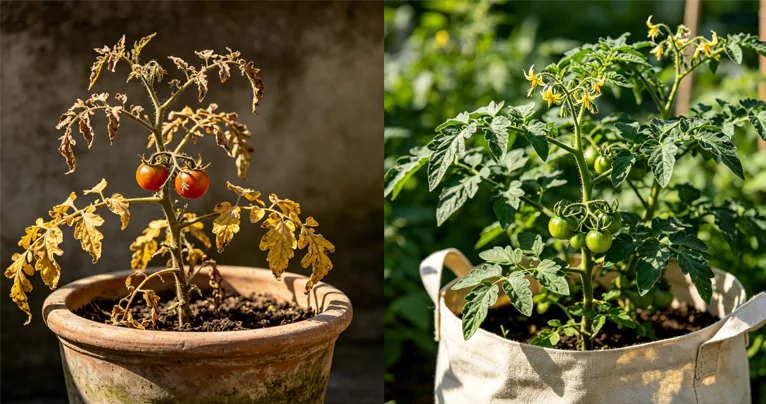
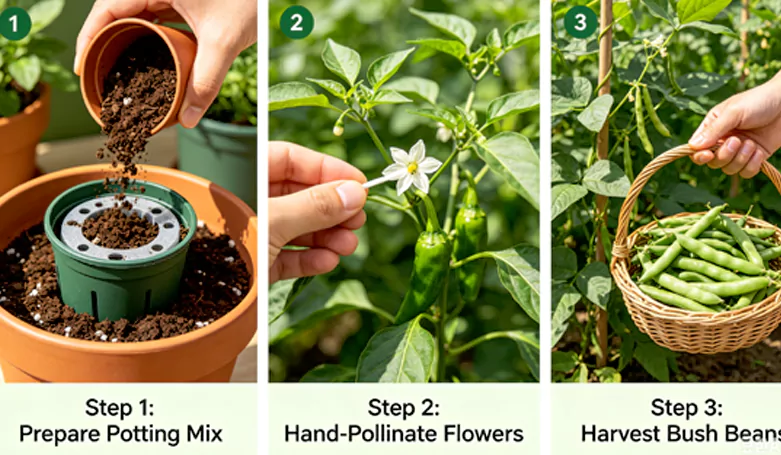
To establish a truly low-maintenance balcony garden, utilize double-layered self-watering pots or porous fabric grow bags filled with a lightweight peat-perlite potting mix. Focus your selection on rugged, pest-resistant crops like bush green beans, compact sweet peppers, loose-leaf spinach, and dwarf cherry tomatoes which require zero complex pruning or intensive canopy care.
To reduce your daily gardening workload, you must design your small-space balcony layout using tools that take over traditional chores like manual watering and weeding.
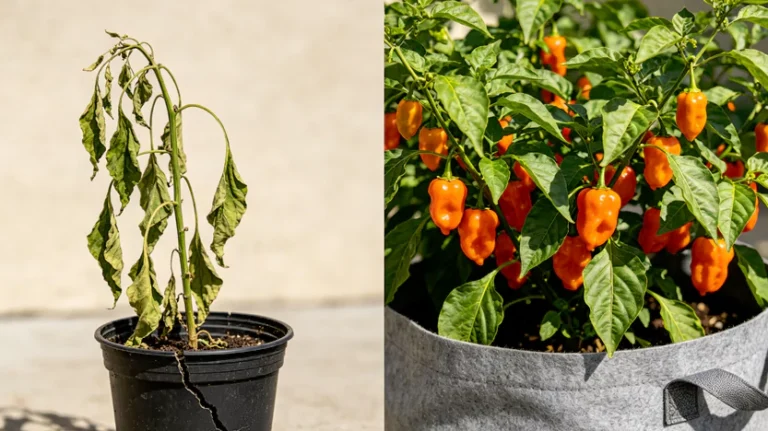
Traditional small pots dry out rapidly on elevated, windy apartment patios, requiring water once or twice a day. Self-watering planters feature a built-in sub-irrigation water reservoir beneath the soil tier. Using capillary action via absorption wicks, the root system drinks exactly what it needs, keeping moisture profiles stable even if you go away for a weekend.
Never use raw ground soil in a balcony container setup. Heavy natural dirt packs down tight like dense concrete inside container walls, suffocating root zones and introducing weed seeds and fungal spores. Use an ultra-lightweight, sterile potting mix blended with coco coir and perlite to completely eliminate weeding tasks.
Avoid large, sprawling vining vegetables that require heavy trellising and constant structural pruning. Instead, choose compact varieties that grow to a fixed, manageable size and hold themselves up with minimal support.
Maximize your space efficiently by matching your crops to the engineering layouts from our Advanced Geometric Spacing Layouts and Tier Design manual:
| Crop Category | Best Low-Care Variety | Container Type | Sunlight Tracking | Vertical Tier Placement |
| Fruiting Pods | Blue Lake Bush Beans | 3-Gallon Fabric Bag | 6 Hours (Full Sun) | Middle Tier Shelf |
| Patio Fruit | Tiny Tim Cherry Tomato | 5-Gallon Self-Watering | 6–8+ Hours (Full Sun) | Top Tier Shelf (Max Light) |
| Snacking Pepper | Shishito Pepper | 3-Gallon Self-Watering | 6+ Hours (Full Sun) | Top / Middle Tier |
| Continuous Salad | Cut-and-Come-Again Lettuce | Window Trough Box | 4–5 Hours (Partial Shade) | Bottom Tier Shelf |
| Aromatic Shield | Sweet Basil / Chives | 1-Gallon Standard Pot | 5–6 Hours (Full Sun) | Railing Troughs / Side Ledges |
Use this systematic operational checklist to build and plant your balcony garden containers smoothly.
Before picking out seeds, track your balcony for one sunny day. If you get 6+ hours of hot afternoon light (South/West facing), focus on tomatoes and peppers. If you get 4 hours of morning sun (North/East facing), focus on leafy greens and herbs, an arrangement detailed in our Best Vegetables For Small Balconies selection guide.
Fill the water reservoir at the bottom of your self-watering pots. Insert the structural aeration screen and drop the wicking cords into the reservoir base. This creates an automated watering cycle that keeps soil moist like a wrung-out sponge without manual oversight.
Because frequent watering slowly washes minerals out of container bases, mix a scoop of balanced, slow-release granular organic fertilizer into your potting mix at planting time, an adjustment outlined in our Best Soil For Container Vegetables reference masterlist. This feeds your plants consistently for 8 weeks without requiring daily liquid mixing.
High-rise balconies experience strong wind currents. Anchor your vertical tier stands directly to the structural balcony railing using heavy-duty nylon zip ties. Place wide, flat-bottomed fabric bags on lower shelves to act as ballast, keeping the frame stabilized during storms.
Keep your urban container farm working efficiently by steering clear of these common pitfalls:
Liam, a corporate consultant who travels frequently for business, wanted to grow fresh food on his 6th-floor apartment balcony but had zero time for daily maintenance.
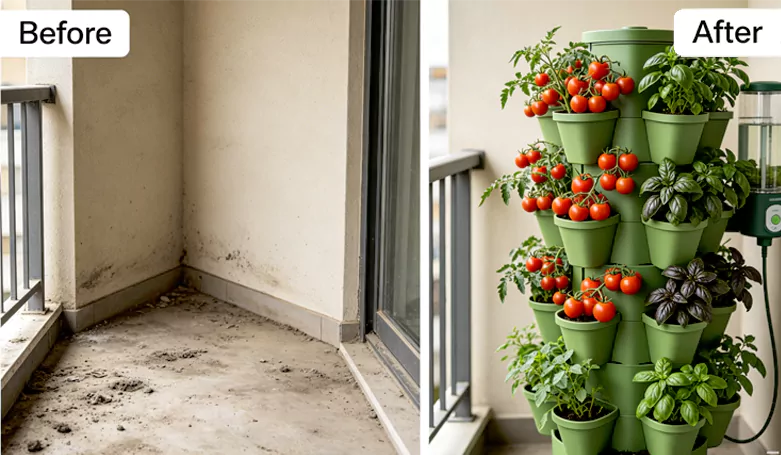
Yes, absolutely. For low-maintenance balcony setups, high-quality self-watering pots can hold enough water in their subterranean reservoirs to keep your vegetables fully hydrated for 4 to 7 days, depending on summer temperatures and wind speeds. This allows urban gardeners to travel or work long shifts without worrying about plant dehydration.
Yes, but you must use a container that is at least 10 to 12 inches deep, like a fabric grow bag. Choose short, round carrot varieties such as Paris Market or Little Finger. Because loose potting mix contains no rocks or heavy clay obstacles, root vegetables grow perfectly straight with zero manual intervention.
Balconies are naturally insulated from crawling ground pests, but flying insects like aphids can occasionally drift up on wind currents. To manage this with low effort, interplant strongly scented herbs like chives, basil, and marigolds alongside your vegetables. These aromatic companion plants act as a natural visual and scent shield to deter common flying pests.
This condition is typically caused by wind desiccation or concrete heat reflection shock. High-altitude balconies face constant, dry wind currents, and concrete building walls absorb midday solar rays, radiating intense heat back onto leaves. Move sensitive crops closer to the apartment building wall for wind shade, or attach a mesh privacy screen to your balcony railing.
For easy perennial maintenance, wrap your fabric pots or self-watering containers in a few layers of burlap or bubble wrap during late autumn to protect the root zones from freezing air currents. Push the containers flat against the insulated building wall and cover the top soil surface with a thick layer of straw mulch until spring.
Stop guessing and start harvesting. Download our free balcony garden design blueprint and engineer your small-space urban homestead like a seasoned expert.
Download our free resource today and receive:
[ Info@Yardveggie.com ]
👉 [ DOWNLOAD YOUR FREE BALCONY GARDEN KIT NOW ]
If you want to skip the frustrating trial-and-error cycle and discover the exact visual layouts used to maximize food production with minimal effort, take a look at our structured video series. Our comprehensive Balcony Harvest Masterclass offers an interactive, step-by-step roadmap built specifically for small-footprint urban living.
Bypass the guesswork with high-definition, practical tutorials covering:
[ Learn More About The Masterclass → ]