Stop Guessing. Start Harvesting.
Stop Guessing. Start Harvesting.
Transform your tiny yard into a productive vegetable garden with our practical video guide. From raised beds to vertical gardening, get real-world tips for growing food in small spaces.
If you think you need acres of land to grow your own vegetables, think again. I’ve been gardening in a small yard for years, and I can tell you from experience that a little space goes a long way. Welcome to the small yard vegetable gardening video guide—your go-to resource for turning a patch of dirt, a balcony, or a tiny backyard into a lush, edible paradise. Whether you’re a beginner or a seasoned grower, this guide will walk you through everything you need to know, step by step. Let’s dig in!
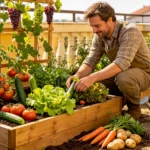
Small yard vegetable gardening is the practice of growing edible plants in limited outdoor spaces, such as small backyards, patios, or side yards. It focuses on maximizing yield using smart techniques like vertical gardening, container gardening, and intensive planting. The goal is to produce a significant amount of food in a compact area, often using raised beds, trellises, and careful crop selection. This approach is perfect for urban and suburban gardeners who want fresh, homegrown vegetables without needing a large plot of land.
Ready to get your hands dirty? Follow these five ordered steps to create a productive small yard vegetable garden. I’ve used these methods myself, and they work like a charm.
Let me share a real story. Last spring, I helped my neighbor Sarah turn her 10×12-foot side yard into a vegetable garden. She had zero gardening experience and was skeptical. We installed two 4×4 raised beds and a trellis along one fence. We planted tomatoes, cucumbers, lettuce, and peppers. By July, she was harvesting 5 pounds of tomatoes per week and had more cucumbers than she could eat. Total cost? About $150 for lumber, soil, and seeds. Her yield? Over 50 pounds of vegetables in one season. That’s the power of small-space gardening.
Another example: I’ve grown 20 pounds of potatoes in a single 5-gallon bucket. Yes, really. The trick is to use a deep container and add soil as the plants grow. These real-world cases prove that with the right techniques, even a tiny yard can feed a family.
| Method | Best For | Space Needed | Cost | Yield Potential |
|---|---|---|---|---|
| Raised Beds | Vegetables with deep roots (tomatoes, peppers) | 4×4 feet minimum | Medium ($50-$100 per bed) | High |
| Containers | Patios, balconies, small areas | Varies (pots on a shelf) | Low to Medium ($10-$30 per pot) | Moderate to High |
| Vertical Gardening | Climbing plants (cucumbers, beans, squash) | Minimal (wall or trellis) | Low ($20-$50 for trellis) | High |
Small yard vegetable gardening isn’t just possible—it’s incredibly rewarding. By following this small yard vegetable gardening video guide, you can grow fresh, healthy food in even the tiniest spaces. Remember to assess your sunlight, choose the right method, pick high-yield crops, and care for your soil. Start small, learn as you go, and don’t be afraid to experiment. I’d love to hear about your garden! Drop a comment below with your favorite small-space vegetable or any questions you have. Happy growing!
Fast-Growing Balcony Vegetables Video Tutorial for Beginners
As of 2025, small yard gardening is booming. According to the National Gardening Association, 35% of U.S. households now grow food at home, up from 30% in 2020. Vertical gardening systems have seen a 40% increase in sales, and container gardening is the top choice for 60% of urban gardeners. New innovations like self-watering planters and smart garden sensors are making it easier than ever to grow in tight spaces. The average small yard gardener now saves $600 annually on groceries, a 20% increase from 2022 due to rising food costs.
| Method | Best For | Space Needed | Cost | Yield Potential | Maintenance Level |
|---|---|---|---|---|---|
| Raised Beds | Deep-rooted vegetables (tomatoes, peppers, carrots) | 4×4 feet minimum | Medium ($50-$100 per bed) | High (50-100 lbs per 4×4 bed) | Moderate |
| Containers | Shallow-rooted plants (lettuce, herbs, radishes) | Varies; 5-gallon bucket minimum for tomatoes | Low ($10-$30 per container) | Moderate (10-20 lbs per 5-gallon bucket) | Low |
| Vertical Gardening | Vining crops (cucumbers, beans, squash) | 2×2 feet footprint for trellis | Low to Medium ($15-$50 per trellis) | High (up to 30 lbs per vertical structure) | Moderate to High |
| Hydroponic Systems | Leafy greens, herbs, strawberries | Countertop to 2×2 feet | High ($100-$500 per system) | Very High (year-round, up to 50% faster growth) | High |
As of 2025, the National Gardening Association reports that 35% of U.S. households grow food at home, a 5% increase from 2020. Vertical gardening sales have surged 40%, and 60% of urban gardeners prefer containers. The average small yard gardener saves $600 annually on groceries, up 20% from 2022.