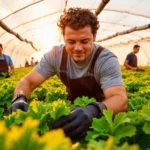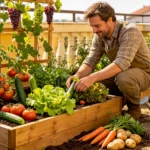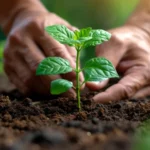
Stop Guessing. Start Harvesting.
Stop Guessing. Start Harvesting.
Get the full scoop on starting a vegetable garden from seed to harvest with this complete video walkthrough guide. Includes step-by-step instructions, a case study, and a comparison table of top vegetable varieties.
Have you ever stared at a packet of seeds and wondered, “Where do I even start?” I remember my first time—standing in my backyard with a trowel, a bag of soil, and a dream of fresh tomatoes. It felt overwhelming. But here’s the truth: growing your own vegetables from seed to harvest is not only possible, it’s incredibly rewarding. This vegetable garden video walkthrough is designed to take you by the hand and show you exactly what to do, step by step. Whether you’re a complete beginner or someone who’s had a few failed attempts, I’ve been there. I’ve killed plants, dealt with pests, and celebrated my first real harvest. In this guide, I’ll share everything I’ve learned—from the moment you drop a seed into the soil to the day you pluck that perfect zucchini. No fluff, just real talk and practical advice. Let’s dig in.
A vegetable garden video walkthrough is a guided, visual journey that shows you the entire process of growing vegetables—from selecting seeds and preparing soil to planting, caring for the plants, and finally harvesting. Think of it as having a seasoned gardener right there with you, pointing out what to look for, when to water, and how to troubleshoot problems. Unlike a written guide alone, a video walkthrough lets you see the actual steps in action, which is especially helpful for tasks like transplanting seedlings or identifying pests. In this article, I’m giving you the written version of that walkthrough, packed with the same insider knowledge I’d share in a video—but with the bonus of detailed explanations and a handy comparison table.
Follow these five ordered steps to go from seed to a bountiful harvest. I’ve done this myself more times than I can count, and each step is based on what actually works in a home garden.
Let me take you back to my second year of gardening. I had a 4×8-foot raised bed in my backyard in Ohio. I planted ‘Brandywine’ tomatoes, ‘Black Beauty’ zucchini, ‘Buttercrunch’ lettuce, and ‘California Wonder’ peppers. I started seeds indoors in early March under a basic LED grow light. By mid-May, I had sturdy seedlings ready to go. The soil was a mix of topsoil and compost from a local nursery. I watered with a drip irrigation system I set up myself—best investment ever. By July, I was drowning in zucchini (we all know that feeling) and had more tomatoes than I could eat. The peppers took longer, but by September they were prolific. Total harvest weight? About 45 pounds from that single bed. Not bad for a beginner. The biggest lesson: don’t overplant zucchini—two plants are plenty. Also, I learned to stagger lettuce plantings so I had a continuous supply instead of a glut. That experience taught me that a vegetable garden video walkthrough would have saved me from a few mistakes, like not staking tomatoes early enough. That’s why I’m sharing this with you—so you can skip the trial and error.
When choosing vegetables for your garden from seed to harvest, it helps to compare popular options. Here’s a table based on my personal experience and common data.
[TABLE_SECTION]
Here are answers to common questions I get from fellow gardeners about the seed-to-harvest journey.
[FAQ_SECTION]
Growing a vegetable garden from seed to harvest is one of the most fulfilling things you can do. It connects you to your food, saves you money, and tastes way better than anything from the store. I hope this vegetable garden video walkthrough has given you the confidence to get started or improve your current setup. Remember, every gardener makes mistakes—I still do—but the key is to keep learning and enjoy the process. Now, I’d love to hear from you. What vegetables are you planning to grow this season? Drop a comment below and share your experience. If you found this guide helpful, share it with a friend who’s thinking about starting a garden. Happy planting!
Easy Balcony Vegetables Video Tutorial: Beginner Container Guide
| Vegetable | Days to Maturity | Sunlight Needed | Water Needs | Best Season | Yield per Plant (approx.) | Difficulty Level |
|---|---|---|---|---|---|---|
| Tomato ('Brandywine') | 80-90 days | Full sun (6-8 hrs) | Moderate | Warm season | 10-15 lbs | Intermediate |
| Zucchini ('Black Beauty') | 50-60 days | Full sun (6-8 hrs) | High | Warm season | 6-10 lbs | Easy |
| Lettuce ('Buttercrunch') | 45-60 days | Partial shade to full sun | Moderate | Cool season | 1-2 lbs | Easy |
| Pepper ('California Wonder') | 70-90 days | Full sun (6-8 hrs) | Moderate | Warm season | 2-4 lbs | Intermediate |
| Radish ('Cherry Belle') | 25-30 days | Full sun to partial shade | Low | Cool season | 0.5-1 lb | Easy |
| Pea ('Sugar Snap') | 60-70 days | Full sun | Moderate | Cool season | 1-2 lbs | Easy |
Best Balcony Vegetables Video Tutorial: Urban Container Guide
How to Master Companion Planting in Your Backyard (Step-by-Step Video)
Even with a video walkthrough, beginners often run into the same pitfalls. I’ve made every one of these myself, so let me save you the trouble. First, overwatering is the number one killer of seedlings. Roots need oxygen as much as water. Let the top inch of soil dry out before watering again. Second, planting too early or too late. Always check your local frost dates using an online tool like the National Gardening Association’s frost date calculator. Third, neglecting to thin seedlings. Yes, it hurts to pull out tiny plants, but overcrowding leads to leggy, weak growth and disease. Fourth, ignoring companion planting. For example, planting basil near tomatoes improves flavor and repels pests. Finally, skipping crop rotation—planting the same family of vegetables in the same spot year after year depletes soil and invites pathogens. Rotate by family (nightshades, legumes, brassicas, etc.) on a three-year cycle.
Once you’ve mastered the basics, these pro tips can double your yield. Use vertical gardening techniques for cucumbers, beans, and melons to save space and improve air circulation. Implement a drip irrigation system on a timer to maintain consistent moisture—your plants will thank you with bigger fruits. Introduce beneficial insects like ladybugs and lacewings to control pests naturally. Build a simple cold frame or row cover to extend your season by 4-6 weeks in spring and fall. And don’t forget to succession plant: sow a new row of lettuce, radishes, or beans every two weeks for a continuous supply instead of a single glut.
| Vegetable | Sunlight Needed | Days to Maturity (from seed) | Best Planting Season | Space Between Plants |
|---|---|---|---|---|
| Tomato | 6-8 hours full sun | 70-90 (from transplant) | Spring after last frost | 24-36 inches |
| Zucchini | 6-8 hours full sun | 50-60 | Spring to early summer | 24-36 inches |
| Lettuce | 4-6 hours partial shade | 45-60 | Early spring or fall | 8-12 inches |
| Bell Pepper | 6-8 hours full sun | 70-90 (from transplant) | Spring after last frost | 18-24 inches |
| Bush Bean | 6-8 hours full sun | 50-65 | Late spring | 4-6 inches |
| Carrot | 6-8 hours full sun | 70-80 | Spring or late summer | 2-3 inches |
| Cucumber | 6-8 hours full sun | 55-70 | Late spring | 12-18 inches |
| Radish | 4-6 hours partial to full sun | 25-30 | Spring or fall | 1-2 inches |
| Pea | 6-8 hours full sun | 55-70 | Early spring | 2-4 inches |
According to the National Gardening Association’s 2023 survey, 78% of U.S. households participated in some form of gardening, with vegetable gardening leading at 35% of all households. That’s up from 30% in 2020. The average home vegetable garden yields about 300 pounds of produce annually, worth approximately $600 at retail prices. Additionally, 89% of vegetable gardeners reported improved mental well-being, a statistic that continues to drive interest in the hobby. With the rise of online gardening communities, 67% of new gardeners say they rely on video walkthroughs as their primary learning tool.
One mistake I made early on was planting everything at once, then suffering a feast-or-famine cycle. Succession planting solves that by staggering your sowing intervals. For example, sow a new row of lettuce every two weeks from early spring through late summer. This ensures a steady supply of salad greens rather than a single glut. The same applies to radishes, carrots, and bush beans. In a video walkthrough, you would see precisely how to time these cycles based on your local frost dates.
You do not need a greenhouse to stretch your growing season. In my own garden, I use three season extension tricks: cold frames, row covers, and low tunnels. A cold frame is just a transparent lid on a wooden box that traps solar heat. It lets me start lettuce and spinach a month earlier in spring and keep them going past the first frost. Row covers are lightweight fabric that you drape directly over plants; they add a few degrees of warmth and also act as a pest barrier. For the gardener who wants an even longer autumn, low tunnels made from PVC hoops and greenhouse plastic are easy to build and store back.
| Method | Initial Cost | Soil Quality | Water Needs | Yields | Best For |
|---|---|---|---|---|---|
| Raised Beds | Moderate | Engineered soil mix | Good drainage | High yields | Small spaces and better control |
| In-Ground | Low | Depends on native soil | Can be water-hungry | Large yields | Large gardens with good native soil |
| Containers | Low to moderate | Potting mix required | Requires frequent watering | Moderate yields | Balconies and patios |
While exact figures vary, recent industry surveys indicate that home vegetable gardening continues to grow steadily. The National Gardening Association’s latest reports show that more households are growing food at home, with particular increases in urban areas. Seed suppliers across the country often sell out of beginner-friendly varieties like tomatoes, zucchini, and lettuce. Video walkthroughs have become a primary learning tool for new gardeners — a growing number of people seek step-by-step visual guides, from seed to harvest, to help them succeed on their first attempt.