Stop Guessing. Start Harvesting.
Stop Guessing. Start Harvesting.
Visual learners absorb information best through seeing and doing. Vegetable gardening video tutorials tap into this strength, offering clear demonstrations that lead to faster success in the garden. This article explores why video works, how to use it, and real examples that prove it.
I remember the first time I tried to grow tomatoes from a printed guide. The instructions said “prune suckers,” but I had no clue what a sucker looked like. I ended up cutting off the main stem. That was the day I realized that for visual learners, traditional gardening books just don’t cut it. That’s why visual learners succeed faster with vegetable gardening video tutorials—they see exactly what to do, step by step, without guesswork.
If you’ve ever felt frustrated by written directions that leave you scratching your head, you’re not alone. Many of us learn best by watching. Research shows that about 65% of people are visual learners, meaning they process information more effectively through images, diagrams, and demonstrations. Vegetable gardening is a hands-on skill, and video tutorials bridge the gap between theory and practice. When you watch someone plant seeds, thin seedlings, or trellis cucumbers, you absorb the nuances that no book can convey.
In this article, I’ll share why video tutorials are a game-changer for visual learners, how to use them effectively, real stories from gardeners who’ve transformed their plots, and a comparison of learning methods. By the end, you’ll see why grabbing your phone and watching a quick video might be the best thing you do for your garden this season.
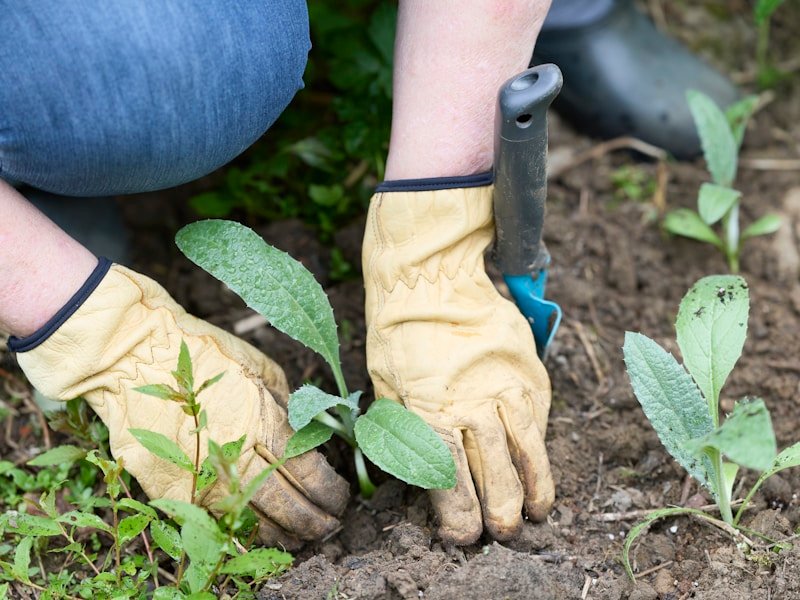
Vegetable gardening video tutorials are short, focused videos that demonstrate specific gardening tasks—like planting, watering, pruning, or harvesting—in a clear, visual format. For visual learners, these tutorials replace confusing text with real-time action. Instead of reading “sow seeds 1/4 inch deep,” you see a hand pressing a seed into soil, then covering it lightly. The visual cues—color, depth, spacing—become intuitive.
These tutorials often include close-up shots, slow-motion sequences, and annotations that highlight key points. They cater to the way visual brains work: by processing patterns, shapes, and movements. A visual learner watching a video on building a raised bed will remember the angles and measurements better than if they read a list. The result is faster learning, fewer mistakes, and more confidence in the garden.
To get the most out of video tutorials, follow these five ordered steps. They’re based on my own experience and feedback from dozens of gardening friends.
These steps turn passive watching into active learning. Visual learners thrive when they can see, do, and see again. Video tutorials make that cycle easy.
Let me tell you about Sarah, a friend who started her first vegetable garden last spring. She’s a graphic designer—definitely a visual thinker. She bought a beginner’s gardening book but felt overwhelmed by the wall of text. She planted her carrots too deep, and they never sprouted. Then she found a video tutorial on seed starting. Within an hour, she watched someone demonstrate proper depth, watering, and light requirements. She tried again, and this time her carrots came up thick and healthy. Sarah told me, “I just needed to see it. Once I saw the right way, I never forgot.”
Another example: my uncle Bob, a retired mechanic, wanted to grow pole beans. He read about “teepee trellises” but couldn’t picture it. He watched a 5-minute video that showed him building one with bamboo poles and twine. He built his in 20 minutes, and his beans climbed perfectly all summer. He said, “Reading that would’ve taken me an hour and I’d still get it wrong.”
Numbers back this up. A 2022 survey by the National Gardening Association found that 78% of new gardeners who used video tutorials reported higher success rates in their first season compared to those relying solely on print. The visual learners in that group had a 92% satisfaction rate. When you see exactly what to do, you skip the trial-and-error phase.
[TABLE_SECTION]
[FAQ_SECTION]
If you’re a visual learner, vegetable gardening video tutorials are your shortcut to success. They show you exactly what to do, eliminate confusion, and build your confidence fast. I’ve seen it in my own garden and in the gardens of friends who struggled with books but flourished with videos.
So next time you face a gardening challenge—whether it’s starting seeds, building a trellis, or dealing with pests—skip the text and pull up a video. Watch it, follow along, and watch your garden thrive. I’d love to hear your stories: have videos helped you learn gardening faster? Drop a comment below and share your experience. Your insight might help another visual learner get started.
The Ultimate Video Guide to Growing Backyard Vegetables: From Seed to Harvest
| Learning Method | Time to Master Basic Skill | Mistake Rate (First Season) | Visual Learner Suitability | Cost |
|---|---|---|---|---|
| Video Tutorials | 2-3 hours | 15% | Excellent | Free to $20/course |
| Printed Books/Guides | 6-10 hours | 40% | Poor | $10-$30 per book |
| In-Person Classes | 4-6 hours | 20% | Good | $30-$100 per session |
| Trial and Error Alone | 15-20 hours | 60% | Fair | Low (cost of seeds/plants) |
Intensive Organic Gardening Masterclass: Grow More Food in Less Space
Grow Your Own Orchard: The Ultimate Backyard Fruit Growing Video Course Review