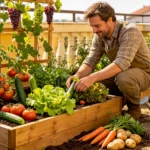
Stop Guessing. Start Harvesting.
Stop Guessing. Start Harvesting.
Urban permaculture isn't just for rural homesteads. Learn how to apply large-scale farm principles in your small yard with practical steps, real examples, and expert advice.
I remember standing in my tiny backyard in Brooklyn, staring at a patch of concrete and thinking, “There’s no way I can grow anything meaningful here.” That was five years ago. Today, that same space produces enough vegetables, herbs, and even a few fruits to feed my family for half the year. The secret? Urban permaculture.
If you’ve ever felt limited by your small yard, you’re not alone. But here’s the truth: urban permaculture isn’t about having acres of land. It’s about working smarter, not harder. By applying large farm principles to a small yard, you can create a resilient, productive ecosystem right outside your door. Let me show you how.
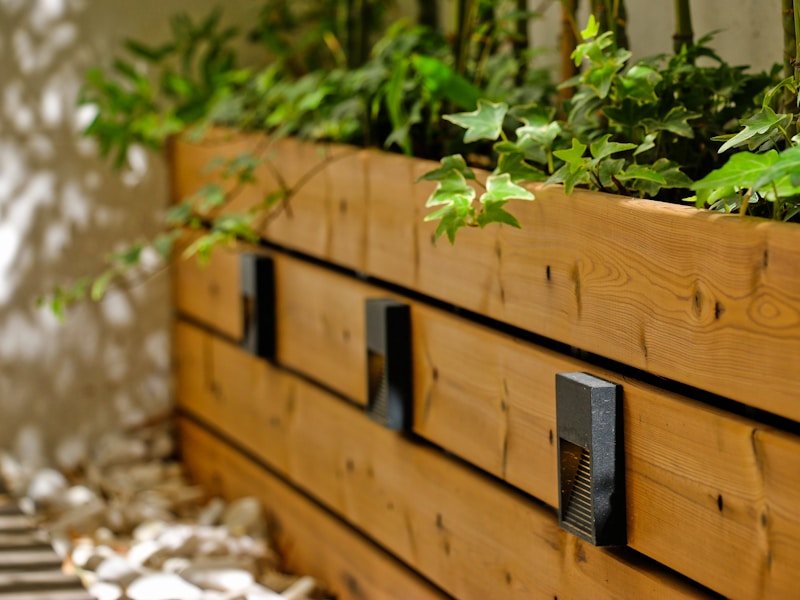
Urban permaculture is the practice of designing small-scale, sustainable human habitats that mimic natural ecosystems, specifically within city or suburban settings. Unlike traditional gardening, which often relies on annual inputs of water, fertilizer, and pesticides, permaculture focuses on building self-regulating systems that require less maintenance over time. Think of it as a mini-farm that works with nature, not against it.
At its core, urban permaculture applies three key ethics: care for the earth, care for people, and fair share (returning surplus to the system). These principles guide every decision, from plant placement to water management.
Here are five ordered steps to transform your small yard into a permaculture powerhouse.
Let me share a real example. My friend Maria in Portland transformed her 500-square-foot backyard into a permaculture haven. She started with a barren lawn and a single apple tree. Here’s what she did:
Year 1: She removed the lawn, built three raised beds (4×8 feet each), and planted a mix of perennials like rhubarb, asparagus, and strawberries. She added a small compost bin and a rain barrel.
Year 2: She installed a vertical trellis along the fence, growing pole beans and cucumbers. She also planted a dwarf pear tree and a blueberry bush. Her yield: 40 pounds of vegetables and 15 pounds of fruit.
Year 3: She added a small chicken coop (two hens) for eggs and pest control. The chickens ate kitchen scraps and scratched the soil, reducing her need for fertilizers. She also dug a small swale to capture runoff from her roof. Total yield: 80 pounds of vegetables, 30 pounds of fruit, and 200 eggs per year.
Maria’s secret? She started small and scaled up. Each addition built on the previous one, creating a closed-loop system where waste from one element became food for another.
[TABLE_SECTION]
[FAQ_SECTION]
Urban permaculture isn’t a pipe dream. It’s a practical, rewarding way to grow food, build resilience, and reconnect with nature—even in the smallest spaces. Whether you have a balcony, a postage-stamp yard, or a community plot, the principles remain the same: observe, design, and work with nature.
Start with one step from this guide. Maybe it’s mapping your yard, building a raised bed, or setting up a rain barrel. The key is to begin. I’d love to hear about your journey. What’s the first permaculture project you’ll try in your small yard? Drop a comment below and let’s keep the conversation growing.
How to Safely Over-Winter Your Patio Lemon and Fig Trees
| Aspect | Traditional Gardening | Urban Permaculture |
|---|---|---|
| Water Use | High, frequent watering | Low, rain capture and mulching |
| Soil Care | Annual tilling and fertilizer | No-till, compost, and worm castings |
| Plant Selection | Mostly annuals | Perennials and self-seeding annuals |
| Maintenance | Weekly weeding and feeding | Minimal after establishment |
| Yield per Square Foot | Moderate | High, due to layering |
| Cost Over Time | High (inputs) | Low (closed-loop system) |
Low-Maintenance Patio Gardening Tips for Busy Professionals
Vertical Hydroponics vs. Soil Containers for Tiny Patios: Which System Saves Space and Boosts Yield?