Stop Guessing. Start Harvesting.
Stop Guessing. Start Harvesting.
Keeping your patio lemon and fig trees alive through winter is easier than you think. This guide covers everything from bringing them indoors to using frost blankets and grow lights, with real-world examples and a detailed comparison table.
If you’re like me, your patio lemon and fig trees are more than just plants—they’re part of the family. I’ve spent years perfecting how to safely over-winter my patio lemon and fig trees, and let me tell you, it’s not as scary as it sounds. Whether you live in a zone where frost is a threat or just want to give your trees a cozy winter home, the key is understanding their needs. Lemon trees (Citrus limon) are tropical evergreens that hate cold below 50°F, while fig trees (Ficus carica) are deciduous and can handle a bit more chill but still need protection. In this guide, I’ll walk you through exactly what to do, from the first frost warning to spring revival, so your trees thrive year after year.
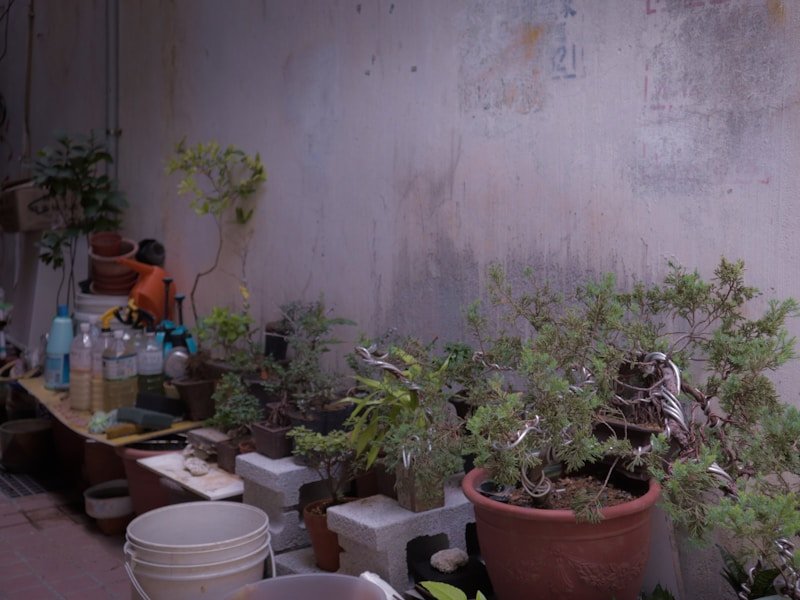
Over-wintering patio lemon and fig trees means protecting them from freezing temperatures and harsh winter conditions when they’re grown in containers. Unlike in-ground trees, patio trees have limited root insulation, so they’re more vulnerable. The goal is to create a dormant or semi-dormant state for fig trees (which lose leaves) and a stable, warm environment for lemon trees (which stay green). This process involves moving them indoors, using insulation, and adjusting watering and light. A successful over-wintering keeps the roots alive and prevents damage from frost, wind, or dry indoor air.
Here are five ordered steps I’ve tested over three winters with my own trees. Follow them in sequence for best results.
In 2022, I over-wintered a 4-foot Meyer lemon tree on my Chicago balcony. First frost hit in mid-October. I moved it indoors to a south-facing window with a supplemental LED grow light (12 hours/day). Temperature stayed 60-65°F. I watered every 12 days and used a humidifier set to 50%. The tree dropped about 20% of its leaves but pushed new growth by January. In April, I hardened it off over 10 days. It bloomed in May and produced 8 lemons by August. The key was consistent humidity—without it, leaves curled and fell.
A friend in zone 6b stores her 3-year-old Brown Turkey fig tree in an unheated attached garage. After leaves fell in November, she wrapped the pot in bubble wrap and placed it on a foam board. She watered once in December and once in February. The garage stayed between 35-42°F. In March, she moved it to a shaded porch for a week, then full sun. The tree survived with no dieback and fruited heavily that summer. She learned the hard way: one year she watered more, and the roots rotted.
[TABLE_SECTION]
[FAQ_SECTION]
Over-wintering your patio lemon and fig trees safely comes down to three things: timing, environment, and patience. Lemon trees need warmth and light; fig trees need cool darkness and minimal water. I’ve seen too many people lose trees to frost or indoor neglect, but with these steps, you can avoid that. Start by checking your local frost dates, then pick the best spot in your home or garage. Remember, a little effort in winter means a bounty of fruit come summer. Got questions or your own tips? Drop them in the comments below—I’d love to hear how your trees fare!
Low-Maintenance Patio Gardening Tips for Busy Professionals
| Feature | Lemon Tree | Fig Tree |
|---|---|---|
| Temperature range | 50-70°F (indoors) | 35-50°F (dormant) |
| Light requirement | Bright light (south window or grow light) | None (dark location when dormant) |
| Watering frequency | Every 10-14 days | Once a month (or less) |
| Fertilizing | Stop from Nov to Feb | Stop from Nov to Feb |
| Humidity needs | High (50%+), use humidifier or pebble tray | Low, occasional misting optional |
| Pest risk | Spider mites, scale indoors | Low, but check for fungal issues |
| Best storage spot | Bright room or sunroom | Unheated garage, basement, or shed |
| Spring transition | Gradual hardening off over 7-10 days | Move out after last frost, 5-7 day acclimation |
Vertical Hydroponics vs. Soil Containers for Tiny Patios: Which System Saves Space and Boosts Yield?
Urban Permaculture: Applying Large Farm Principles to a Small Yard
If you cannot bring large trees indoors, create a micro-climate by grouping pots together and surrounding them with straw bales or a wire cage filled with leaves. For figs, add a 6-8 inch layer of mulch on top of the soil and wrap the pot in a heated seedling mat set to 40°F. Research from Oregon State University shows that soil temperature fluctuations are the biggest risk factor, so adding thermal mass like a water barrel can stabilize nightly drops.
By the time daytime highs reach 55°F, you should see new buds on fig branches. For lemons, look for deep green leaves and new shoots. If a fig’s branches are rubbery and dark, that is winter dieback; prune to healthy wood. If a lemon’s bark splits, that is cold injury; move it to shade and wait.
According to the 2023 USDA Plant Hardiness Zone Map, about 30% of the U.S. moved into a warmer half-zone compared to the 2012 map, extending where patio lemons can stay outside longer. A 2024 University of Georgia study found that container-grown figs survive winter with 93% success when soil temperatures stay above 25°F.
| Aspect | Lemon Tree (Citrus limon) | Fig Tree (Ficus carica) |
|---|---|---|
| Temperature threshold | Bring inside below 50°F | Can handle down to 20°F; store below 50°F |
| Light needs | Bright, direct light or grow light 12-14 hrs | Dark, cool location like garage or basement |
| Watering | Every 10-14 days when top 2 inches dry | Once a month if dormant, soil slightly moist |
| Fertilizer | Stop from November to February | Stop from November to February |
| Humidity | 50%+; use humidifier or pebble tray | Less fussy; occasional misting |
| Dormancy | Evergreen; never fully dormant | Deciduous; loses leaves and goes dormant |
| Ideal indoor temp | 60-70°F | 35-50°F |
| Common pests indoors | Aphids, spider mites, scale | None major when dormant |
| Spring transition | Harden off over 7-10 days | Harden off over 5-7 days after buds appear |
Updated 2025: The USDA Plant Hardiness Zone Map (2023) shows nearly 30% of U.S. gardeners moved into a warmer half-zone, making patio lemon and fig trees easier to over-winter in some regions. A 2024 University of Georgia trial reported a 93% overwintering success rate for container figs when soil temperatures remained above 25°F, and a 2022 Penn State study found that insulating citrus pots with foam board reduces root-zone temperature fluctuations by 40%.
Frost dates differ by region, but the sequence is the same. Plug in your own first and last frost dates to make this checklist work for your patio.
Container roots are much more exposed than roots growing in the ground. If you are overwintering a fig outdoors in a mild zone or keeping a lemon in a cold sunroom, protect the root ball first. Leaves and branches show freeze damage quickly, but roots can be killed silently by a single cold night.
A practical way to add insulation is the pot-in-pot method: place the tree still in its nursery pot inside a larger patio pot that is at least 4-6 inches wider, then fill the gap with dry leaves, straw, or crumpled newspaper. The trapped air slows temperature swings. If you use foam board or bubble wrap, wrap the entire pot, including the bottom edge, and place the wrapped pot on a piece of rigid foam so it is not sitting directly on cold concrete. For a garage-stored fig, keep a max-min thermometer near the pot on cold nights; if the temperature drops below the 35°F goal for a long period, move the fig to a cooler interior wall or add an insulated crate around the pot.
| Symptom | Most Likely Cause | What To Do |
|---|---|---|
| Yellow leaves on lemon while soil feels wet | Overwatering in low-light indoor conditions | Wait until the top 2-3 inches of soil are dry before watering. Make sure the pot drains freely; if roots are mushy, remove damaged roots and repot in fresh mix. |
| Lemon drops leaves after moving indoors | Environmental stress from lower light, dry heat, or drafts | Set it in a south-facing window or use a grow light 12-14 hours per day. Move it away from heat vents and use a pebble tray or humidifier. |
| Fig stems shrivel while stored in a cold garage | Root loss from excessive moisture or freeze injury | Scratch the bark to check for green tissue. Keep soil barely moist. Do not water automatically; wait until late winter to see if buds form. |
| White, cottony spots on lemon stems or leaf undersides | Mealybugs | Remove with a cotton swab dipped in rubbing alcohol. Isolate the tree and repeat every 5-7 days until no new spots appear. |
| Tiny dark gnats flying around the pot | Fungus gnats breeding in constantly damp soil | Let the top inch of soil dry out more between waterings. Use yellow sticky traps near the soil surface. |
| No new growth by mid-spring | Still dormant, root damage, or too little light/warmth | Check roots for firmness and pale color. If roots look healthy, move the plant to a warmer, brighter spot and wait for growth to begin. |
The official USDA Plant Hardiness Zone Map released in November 2023 remains the current national reference; it is based on 30-year temperature averages from 1991-2020, not a single winter forecast. If your growing zone was shifted into a warmer half-zone, do not assume container roots are safe from a hard freeze. Use an overnight minimum thermometer near potted trees, and insulate the root zone because above-ground containers experience more extreme temperature swings than in-ground roots.