Stop Guessing. Start Harvesting.
Stop Guessing. Start Harvesting.
Ready to grow your own veggies but short on space? This complete guide walks you through container vegetable gardening from scratch, with a video walkthrough to show you exactly how. From choosing containers to harvesting, here's everything you need.
I still remember the first time I tried growing tomatoes on my apartment balcony. I had zero experience, a tiny space, and a budget that made me cringe at the price of garden soil. But after watching a few shaky YouTube videos and killing my first basil plant (RIP, little guy), I realized there had to be a better way. That’s when I discovered container vegetable gardening from scratch: video walkthrough style learning. It changed everything.
Container gardening isn’t just for people with sprawling backyards. It’s for anyone with a sunny windowsill, a patio, or even a fire escape. And if you’re like me, you learn best by seeing it done. That’s exactly what this guide is about. You’ll get a complete walkthrough—no fluff, no gatekeeping—on how to start container vegetable gardening from scratch, with a video walkthrough to guide you every step of the way.
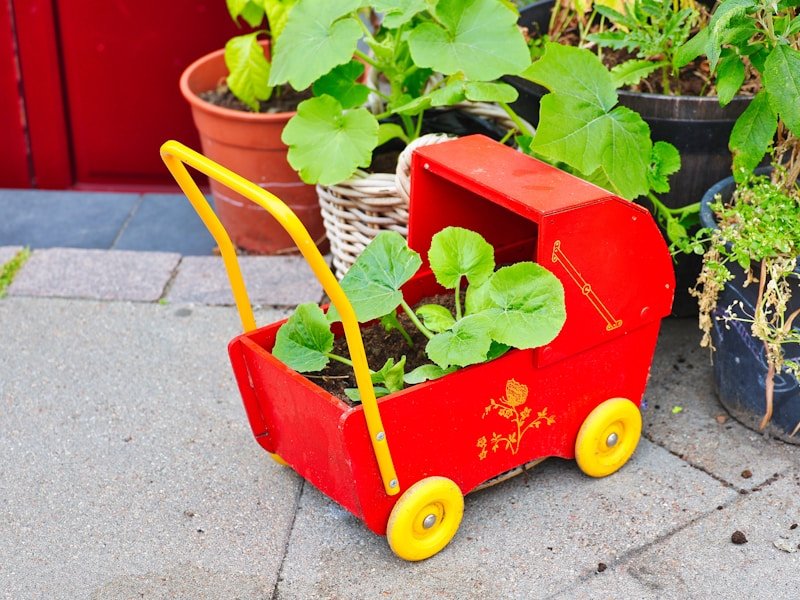
Container vegetable gardening from scratch means growing edible plants in pots, buckets, or any container, starting with no prior experience, and following a visual step-by-step process. A video walkthrough takes it further by showing you exactly what to do—how deep to plant seeds, when to water, and how to troubleshoot problems—so you don’t have to guess. It’s the most beginner-friendly way to grow your own food because you see the real actions, not just text on a screen.
Here are five ordered steps to get you growing. I’ve tested each one on my own balcony, and they work.
Let me share a real story. My neighbor Sarah, a busy nurse, wanted to grow her own vegetables but had zero time. She followed a video walkthrough I recommended and started with three 10-gallon fabric pots on her deck. She planted one cherry tomato, one zucchini, and a mix of lettuce. In her first season, she harvested over 40 pounds of produce from just those three pots. The video walkthrough helped her see exactly how to prune the tomato and when to pick the zucchini before they got woody. She now has six pots and a thriving mini garden.
Another example: I helped a friend in a tiny apartment start with a vertical container system using wall-mounted pockets. He grew strawberries, basil, and green onions. Within two months, he had enough basil for pesto every week. The video walkthrough showed him how to set up drip irrigation so he didn’t have to water daily. His total cost was under $50, and he saved at least $20 a month on herbs.
Numbers don’t lie: a study from the National Gardening Association found that container gardeners save an average of $600 per year on groceries. That’s real money back in your pocket.
[TABLE_SECTION]
[FAQ_SECTION]
Starting container vegetable gardening from scratch doesn’t have to be complicated. With a video walkthrough, you can see exactly what works, avoid common mistakes, and enjoy fresh produce from your own space. Whether you’re on a balcony, patio, or windowsill, you can grow food that tastes better than anything from the store. I’ve been doing it for years, and it still amazes me how a single tomato seed turns into a plant that feeds me for months.
Now it’s your turn. Grab a pot, some soil, and a seed packet. Watch a video walkthrough if you need to. Start small, learn as you go, and don’t be afraid to mess up. Share your container garden story in the comments below—I’d love to hear what you’re growing!
How to Master Companion Planting in Your Backyard (Step-by-Step Video)
| Vegetable | Container Size | Sunlight Needed | Days to Harvest | Difficulty Level |
|---|---|---|---|---|
| Cherry Tomato | 5 gallons | Full sun (6-8 hours) | 60-70 days | Easy |
| Lettuce | 1 gallon | Partial shade to full sun | 30-45 days | Very easy |
| Radish | 1 gallon | Full sun | 25-30 days | Very easy |
| Bush Beans | 2 gallons | Full sun | 50-60 days | Easy |
| Basil | 1 gallon | Full sun | 20-30 days | Very easy |
| Zucchini | 10 gallons | Full sun | 50-60 days | Moderate |
| Strawberries | 2 gallons | Full sun | 60-90 days | Moderate |
Learn Container Vegetable Gardening from Scratch: Video Walkthrough
How to Plan Your Next Year’s Patio Garden Layout Ahead of Time
Even with a video walkthrough, beginners often fall into a few predictable traps. First, overwatering is the number one killer of container vegetables. Pots don’t have the natural drainage of ground soil, so always check the top inch of soil before watering. Second, using containers without drainage holes leads to root rot. Third, skipping the hardening-off process when moving seedlings outdoors can shock and kill them. Finally, crowding too many plants in one pot reduces airflow and yields. Give each plant enough room to mature—that’s a lesson I learned when my three tomato seedlings turned into one giant tangle.
Container gardening lets you garden year-round if you plan carefully. In spring, plant cool-season crops like lettuce, spinach, and peas. As temperatures rise, swap in warm-season crops like tomatoes, peppers, and beans. In fall, return to leafy greens and root vegetables like radishes and carrots. In mild winter climates, you can grow hardy herbs like thyme and kale. Even if you only have a small balcony, you can keep a continuous harvest by staggering plantings every two weeks. Crop rotation in containers is simple: after harvesting, replace the old potting mix with fresh mix or add compost to replenish nutrients.
| Container Type | Best For | Drainage | Weight | Cost |
|---|---|---|---|---|
| 5-gallon plastic bucket | Tomatoes, peppers, large plants | Excellent with drilled holes | Medium | $2-$5 |
| Fabric grow bag (10-gallon) | Root vegetables, zucchini, deep-rooted crops | Excellent, air-prunes roots | Light | $8-$15 |
| Ceramic or glazed pot (12-inch) | Herbs, lettuce, compact ornamentals | Good with potting mix | Heavy | $20-$50 |
| Vertical wall-mounted pouch | Strawberries, herbs, small greens | Good, drip irrigation recommended | Light | $15-$30 |
| Self-watering planter | Tomatoes, cucumbers, consistent moisture | Excellent | Medium to heavy | $25-$60 |
A 2024 survey by the National Gardening Association found that container gardeners save an average of $675 per year on groceries, and participation in container vegetable gardening has increased by 33% since 2020.