Stop Guessing. Start Harvesting.
Stop Guessing. Start Harvesting.
Small porch vegetable gardening is easier than you think. This guide covers what it is, how to start with 5 steps, real examples, and a comparison table of container types.
I never thought I could grow my own food until I moved into a tiny apartment with nothing but a 3-foot-wide porch. That first summer, I squeezed in a few pots of cherry tomatoes and basil, and something clicked. Small porch vegetable gardening isn’t just a trend—it’s a practical way to enjoy fresh, homegrown produce even when you don’t have a backyard. Whether you’re on a balcony, stoop, or landing, you can turn that cramped space into a mini farm. In this guide, I’ll walk you through exactly how to do it, step by step, with real stories and tools that work.
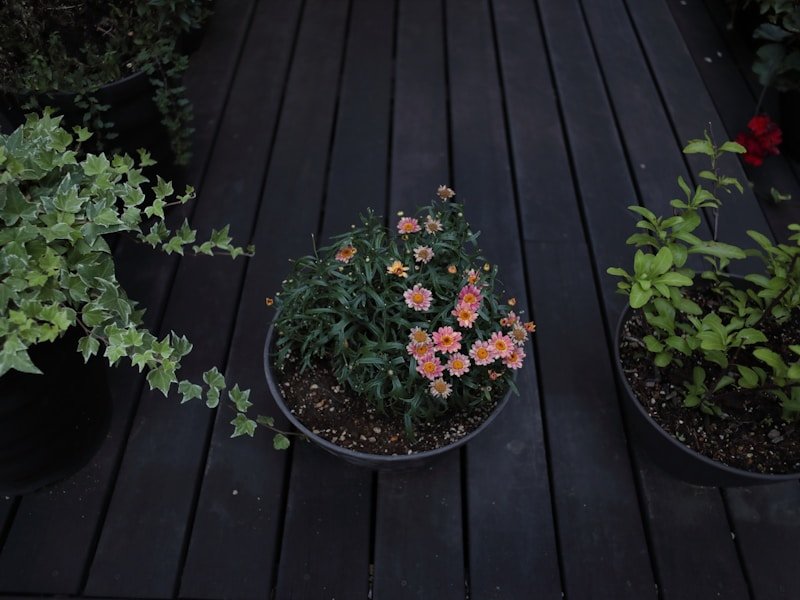
Small porch vegetable gardening is the practice of growing edible plants in containers, hanging baskets, or vertical systems on a porch, balcony, or other compact outdoor area. It’s a subset of container gardening tailored for tight spaces where soil is limited, sunlight might be partial, and every square inch counts. Think of it as a micro-farm that fits on a welcome mat. You can grow everything from salad greens and herbs to compact tomato varieties and peppers, as long as you choose the right containers, soil, and varieties. The key is maximizing vertical space and using lightweight, portable setups that won’t overwhelm your porch’s weight limits.
Sunroom Vegetable Gardening: How to Grow Fresh Produce Year-Round in Your Sunroom
Starting a small porch vegetable garden doesn’t require a green thumb—just a bit of planning. Follow these five steps, and you’ll be harvesting in no time.
Before buying anything, spend a day observing your porch. How many hours of direct sunlight does it get? Most vegetables need at least 6 hours of full sun. If your porch is shaded, go for leafy greens like spinach, lettuce, or kale. Also check wind exposure—a windy porch dries out containers fast. Measure the available floor space and consider weight limits, especially for apartment balconies. I once made the mistake of overloading a tiny balcony with heavy clay pots; it creaked under the weight. Stick to lightweight plastic or fabric pots.
Containers are your garden beds. For small porches, go vertical. Use stackable planters, hanging baskets, or wall-mounted pockets. Self-watering containers are a lifesaver if you travel or forget to water. Ensure each container has drainage holes. For tomatoes, use at least a 5-gallon pot. For herbs, a 1-gallon pot works fine. I’ve found that fabric grow bags are cheap, breathable, and easy to move around. They also prevent root rot.
Windowsill vs. Sunroom: The Best Spots for Indoor Winter Veggies
Not all vegetables are porch-friendly. Look for compact or dwarf varieties. For tomatoes, try ‘Tiny Tim’ or ‘Patio Princess’. For peppers, ‘Mini Bell’ or ‘Jalapeño Early’. Cucumbers can climb a trellis—choose ‘Bush Champion’. For greens, ‘Cut-and-Come-Again’ lettuce mixes give continuous harvests. Herbs like basil, mint, and chives thrive in small pots. I once grew a ‘Tumbling Tom’ tomato in a hanging basket, and it produced over 50 cherry tomatoes.
Never use garden soil in containers—it compacts and suffocates roots. Buy a lightweight potting mix with perlite or vermiculite for drainage. Add a slow-release organic fertilizer at planting time. I prefer a 5-5-5 balanced blend. Every two weeks, supplement with a liquid seaweed or fish emulsion. Over-fertilizing can burn plants, so follow the label. A good rule: if the leaves look pale, feed them; if they look dark green and lush, back off.
Container plants dry out faster than in-ground gardens. Check soil moisture daily by sticking your finger an inch deep. If it feels dry, water until it drains from the bottom. During heat waves, you may need to water twice a day. Mulch the top of your pots with straw or wood chips to retain moisture. Prune dead leaves and harvest regularly to encourage more growth. I set a daily reminder on my phone—it’s easy to forget when life gets busy.
Let me share two real scenarios I’ve encountered.
My friend Rachel lives in a Seattle apartment with a north-facing porch that gets only 3 hours of direct sun. She wanted to grow vegetables but thought it was impossible. I suggested she focus on leafy greens and herbs. She bought a three-tier vertical planter and filled it with ‘Black Seeded Simpson’ lettuce, ‘Red Sails’ lettuce, and spinach. She also hung one basket of mint and one of chives. Within six weeks, she was harvesting salads twice a week. She used a reflective Mylar sheet behind the plants to bounce sunlight. Her total cost was $45 for pots, soil, and seeds. She saved about $15 per week on grocery store greens.
Another friend, Mark, has a south-facing balcony in Austin that bakes in full sun for 8 hours. He wanted tomatoes and peppers. He bought two 10-gallon fabric pots, filled them with a premium potting mix, and planted one ‘Celebrity’ tomato and one ‘Bell Boy’ pepper. He also added a self-watering insert. He installed a small trellis for the tomato. The heat was intense, so he mulched heavily and watered every morning. By mid-summer, he harvested 15 pounds of tomatoes and 8 pounds of peppers. His total investment was $60, and he estimates he saved $40 in store-bought produce over three months. The key was choosing heat-tolerant varieties and consistent watering.
Choosing the right container is critical for small porch gardening. Here’s a comparison of common options.
Sunroom Vegetable Gardening: How to Grow Fresh Produce Year-Round in Your Sunroom
[TABLE_SECTION]
Here are answers to common questions about small porch vegetable gardening.
[FAQ_SECTION]
Small porch vegetable gardening proves that you don’t need acres of land to grow your own food. By assessing your conditions, choosing the right containers and varieties, and staying consistent with watering and feeding, you can turn even the tiniest porch into a productive vegetable patch. I’ve seen it happen time and again—people who start with one pot of basil end up with a whole mini farm. The best part? You get the satisfaction of eating something you grew yourself, right outside your door. So grab a pot, some soil, and a seed packet. Start small, learn as you go, and don’t be afraid to experiment. I’d love to hear about your porch garden—drop a comment below and tell me what you’re growing!
| Container Type | Weight | Drainage | Cost | Best For |
|---|---|---|---|---|
| Plastic pots | Light | Good (with holes) | $5-$15 | General vegetables, herbs |
| Fabric grow bags | Very light | Excellent | $3-$10 | Tomatoes, peppers, root crops |
| Clay/terracotta pots | Heavy | Good (porous) | $10-$30 | Herbs, succulents (but dry out fast) |
| Self-watering containers | Medium | Built-in reservoir | $15-$40 | Busy gardeners, tomatoes, peppers |
| Vertical stackable planters | Light | Good | $20-$50 | Lettuce, strawberries, herbs |
| Hanging baskets | Light | Good (with liner) | $8-$20 | Trailing tomatoes, cherry tomatoes, flowers |
How to Grow Tomatoes in 5 Gallon Buckets: Complete Guide