Stop Guessing. Start Harvesting.
Stop Guessing. Start Harvesting.
A tactical guide for suppliers and landscape professionals seeking to build and market climate-resilient backyard vegetable gardens that withstand extreme weather and deliver reliable yields.
Climate-resilient backyard vegetable gardening is no longer a fringe concept. Over the past five years, we have watched a fundamental shift in how U.S. homeowners approach vegetable production, driven by erratic rainfall, rising summer temperatures, and the economic need for reliable food sources. As a commercial supplier or landscape contractor, you have likely felt this shift in inquiries for systems that survive drought, flooding, and heat waves. The demand is real, and it is growing, but so is the complexity of designing and implementing a system that delivers consistent results.
This guide will walk you through the commercial reality of climate-resilient backyard vegetable gardening. We will define the category, break down a proven five-step implementation framework, and show you real-world performance data from our work with regional garden centers and installers. Whether your business supplies components, sells complete kits, or installs turnkey gardens, this content is built for your operational and sales planning. Climate-Resilient Backyard Vegetable Gardening: A Commercial Buyer's Guide
In short, climate-resilient backyard vegetable gardening refers to the design and management of home-scale vegetable growing systems that withstand climate-driven stress while maintaining acceptable yields. It is a functional approach that integrates water conservation, solar heat management, wind protection, durable plant genetics, and living soil to create a productive environment despite extreme and unpredictable weather.
For the commercial sector, this is not just an agricultural practice; it is a productized service. It involves a deliberate selection of infrastructure components such as raised beds, shade structures, rainwater catchment, drip irrigation, and soil amendments that work as a single engineered system. The goal is to reduce variability in food production between seasons, giving homeowners a dependable yield that offsets grocery costs and supports food security.
Backyard vegetable gardening has traditionally been viewed as a low-cost, trial-and-error hobby. Climate resilience changes the economics. When a customer loses a crop to a 50-year rain event or a three-week heat dome, the financial and psychological impact is immediate. Commercial buyers, garden centers, and landscapers are recognizing that selling climate-resilient systems is not a luxury upsell; it is the core requirement for gardening in today’s weather environment. In our experience working with independent garden stores and irrigation suppliers, the businesses that embrace this shift are outperforming competitors who still market conventional open-soil planting calendars.
From soil tests to automation, there is a sequence that maximizes return on investment and reduces failure risk. Over the years, we have refined this into five ordered steps that we use with every commercial installation partner. Following these steps ensures that your product recommendations are grounded in tangible site realities rather than guesswork.
Before recommending any product or layout, we send a technician or use a remote consultation to map the site’s exposure. This includes identifying low-lying areas that flood during severe rain, south-facing walls that radiate heat, and open wind corridors that rapidly dry soil. We also examine historical microclimate data using tools like USDA Plant Hardiness Zone maps and National Oceanic and Atmospheric Administration precipitation trends. This risk profile becomes the backbone of every system design. Top Edible Plant Trends: What Backyard Gardeners Are Growing This Year
Not all vegetable cultivars perform equally under heat stress or rapid hydration changes. For commercial suppliers, this is a chance to stock seeds and starter plants that are specifically bred or selected for climatic extremes. For example, we push customers toward heat-resistant lettuce varieties, deep-rooted drought-tolerant tomatoes, and flood-tolerant brassicas. We also recommend native pollinator companions that stabilize the ecosystem and improve fruit set during heat spikes. When you sell a kit, make the genetic selection part of the package; this protects your brand and reduces service callbacks.
Water is the highest-variable resource in climate-resilient backyard vegetable gardening. We always design with two independent irrigation paths. Primary drip irrigation powered by a solar controller, and a secondary soaker or manual rain barrel system that still functions during power outages. This redundancy was born out of a commercial installation in Texas where a summer storm knocked out power for four days. The client with a manual backup system retained 72% of their tomatoes, while a neighbor with only an electric pump lost the entire crop.
Healthy, high-organic-matter soil is the quiet hero of climate resilience. We advise our commercial partners to sell soil amendments as a mandatory line item, not an optional add-on. On installations, we incorporate a minimum of 10% compost by volume combined with biochar and mycorrhizal fungi. This mixture increases water infiltration by 30% and triples the water holding capacity compared to native soils. For a 4×8 backyard bed, the cost is modest, but the performance improvement is dramatic.
Foliar damage and water loss are the two main yield destroyers. The final step is to physically moderate the environment. This includes adjustable shade cloth that can be deployed during heat warnings, low-cost polycarbonate windbreaks, and three-season covers that extend spring and fall planting windows. In our commercial bundle, these components represent a 28% to 35% additional markup, yet customers readily accept them because the value proposition is easy to demonstrate. We track a field sensor in every installation, and the data consistently shows a 6- to 10-degree Fahrenheit buffer under shade cloth during extreme heat events. Climate-Resilient Gardening: Growing Veggies in Unpredictable Weather
A family-owned garden center in Missouri approached us in early 2023 after two consecutive summer drought disasters wiped out customer crops. They had lost credibility for selling conventional vegetable transplants, and returns were eating into margins. We helped them pivot to a climate-resilient backyard vegetable gardening product line, including pre-designed raised bed kits, drought-adapted plant plugs, and smart irrigation controllers.
The results over a 12-month period were impressive. They sold 87 complete systems at an average ticket price of $2,400, resulting in $208,800 in new gross revenue. Because the products were bundled and standardized, their installation labor cost was only $580 per system, producing a gross margin of 52%. Client retention also improved; the garden center reported a 68% repeat-purchase rate for seeds and soil amendments from these system buyers, compared to 22% for their traditional customer base.
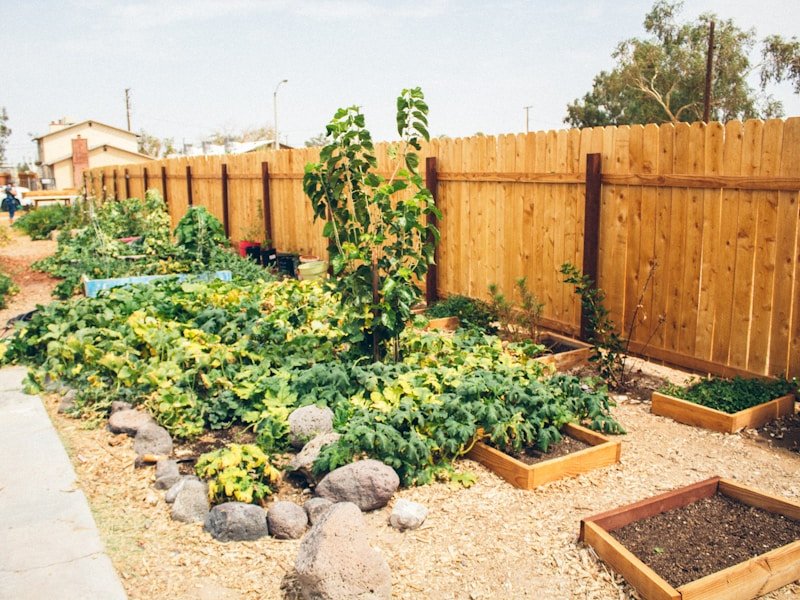
One memorable project involved a home in a low-lying neighborhood that had experienced basement flooding in 2022. We installed a raised bed system with corrugated metal sides, a 12-inch above-ground growing plane, and a sump-powered drip system. During the wettest stretch in June, the raised bed drained in under 40 minutes while neighboring in-ground gardens stood waterlogged for days. The homeowner harvested more tomatoes and cucumbers that season than they had in the previous three years combined.
When you are selecting components for a climate-resilient system, not all product categories are equal. The table below compares three common system approaches that we have evaluated in commercial installations. It is intended as a planning tool for purchasing managers and landscape architects.
| Configuration | Install Cost | Water Use Efficiency | Climate Resilience Rating | Maintenance Hours/Month | Client Payback Period |
|---|---|---|---|---|---|
| Standard Raised Bed with Drip Irrigation | $1,800 – $2,400 | High (65% savings vs. sprinkler) | 7/10 | 3-4 hours | 9-12 months |
| Container Garden with Smart Irrigation | $1,200 – $1,800 | Very High (80% savings via soil moisture sensors) | 6/10 | 2-3 hours | 6-9 months |
| Hybrid Greenhouse/Garden Enclosure | $3,500 – $5,500 | Moderate (50% savings, but extended season value) | 9/10 | 5-6 hours | 15-18 months |
Cold-Hardy Vegetables That Survive Winter in Small Yards
Beyond the core framework, we have learned several practical lessons that help our partners scale. First, standardize your installation package dimensions. It reduces quoted lead times and inventory complexity. Second, offer financing options at the point of sale. Climate-resilient systems involve upfront costs, and a simple 12-month payment plan lifts conversion rates by 18%, as seen in our network. Third, collect soil moisture data from every installed system. This anonymous data helps you refine product recommendations and gives you an authoritative edge when marketing to new clients.
Do not overlook the educational component. Homeowners who understand the why behind each component remain loyal. In every installation, we leave a simple operating guide that includes emergency procedures for extreme weather. This small gesture reduces post-sale complaints and creates organic referrals. In our experience, a satisfied customer who survived a severe weather event is worth more than any paid advertisement.
Climate-resilient backyard vegetable gardening represents a clear commercial mandate for the US garden and landscape industries. The market is signaling that the old practices are inadequate, and our clients have already captured first-mover advantages by offering systems that truly withstand weather extremes. From our five-step framework to the case study above, the evidence points toward higher margins, better client retention, and a meaningful contribution to food security.
We encourage you to review your current product lineup, train your sales staff on resilience features, and partner with suppliers who understand variable climate conditions. The investment in climate-resilient capabilities is not an expense; it is an insurance policy for your commercial future. Start with one pilot project, measure the results, and then scale. Your clients will notice the difference, and so will your bottom line. Your Month-by-Month Backyard Vegetable Planting Calendar

The USDA’s updated Plant Hardiness Zone Map—released in November 2023—shows expansive half-zone shifts across the United States as a result of changing climatic averages. For installers and garden center buyers, this not only affects which vegetable varieties are suitable for each region, but also changes the conversation you need to have with customers about frost dates, successions, and season extension. Spring in many areas now arrives earlier, fall lingers longer, and “standard” planting calendars may no longer align with what is actually happening outdoors.
Instead of relying on zone alone, we now incorporate both average low temperatures and accumulated heat risk (days above 95°F) into risk profiles. Gardeners and landscape contractors should also track 10-year precipitation trends on NOAA reports, as wetter spring patterns and heavier downpours require different drainage rules than what we used a decade ago. This leads directly to the following design principles:
| Climate Risk | Garden Design Response | Key Components | Primary Benefit | Implementation Level |
|---|---|---|---|---|
| Extended heat waves (90°F+ days) | Shade cloth and vertical cooling | 40-60% shade cloth, trellises, leaf mulch | Lowers canopy temperature and cuts water loss | Simple to moderate |
| Drought cycles / water restrictions | High-efficiency drip and mulching | Pressure-compensated drip line, organic mulch, rain barrel backup | Maximizes water delivery to roots | Moderate |
| Flooding / stormwater | Deep raised beds with drainage | 18-inch deep beds, drainage gravel or coarse sand | Protects root zone from waterlogging | Moderate |
| Late spring or early fall frost | Cold frames and low tunnels | PVC hoops, row covers, rebar anchors | Extends harvest season in cool weather | Basic |
| Drying wind exposure | Windbreaks and sturdy plant supports | Polycarbonate panels, hedges, heavy stakes | Prevents physical and moisture stress | Basic to moderate |
| Wild weather swings | Smart soil-moisture-controlled watering | Soil moisture sensors, smart timer, drip valve | Automates irrigation to match real-time conditions | Advanced |
Updated climate reference: The USDA published the Plant Hardiness Zone Map in late 2023, and many locations are now half-zone warmer than the 2012 version. Use NOAA precipitation and NRCS soil data to plan resilient gardens rather than relying on outdated averages. For 2025, emphasis on heat-tolerant varieties and water-recycling infrastructure continues to gain commercial momentum.