Stop Guessing. Start Harvesting.
Stop Guessing. Start Harvesting.
Unpredictable weather doesn't have to ruin your vegetable garden. From heatwaves to sudden frosts, here’s how to adapt and thrive with climate-resilient gardening techniques.
Last summer, I watched my carefully tended tomato plants curl up and wilt under a scorching 100°F heatwave—two weeks after I’d lost half my lettuce patch to an unexpected hailstorm. If you’ve been gardening for more than a few years, you’ve probably noticed the same thing: the weather just isn’t what it used to be. Climate-resilient gardening isn’t a buzzword; it’s a survival skill for anyone who wants to grow their own food. The good news? You don’t need a greenhouse or a degree in meteorology. With a few smart adjustments, you can keep your veggies thriving through droughts, deluges, and temperature swings. This guide will walk you through exactly how to build a garden that bounces back, no matter what the sky throws at it.
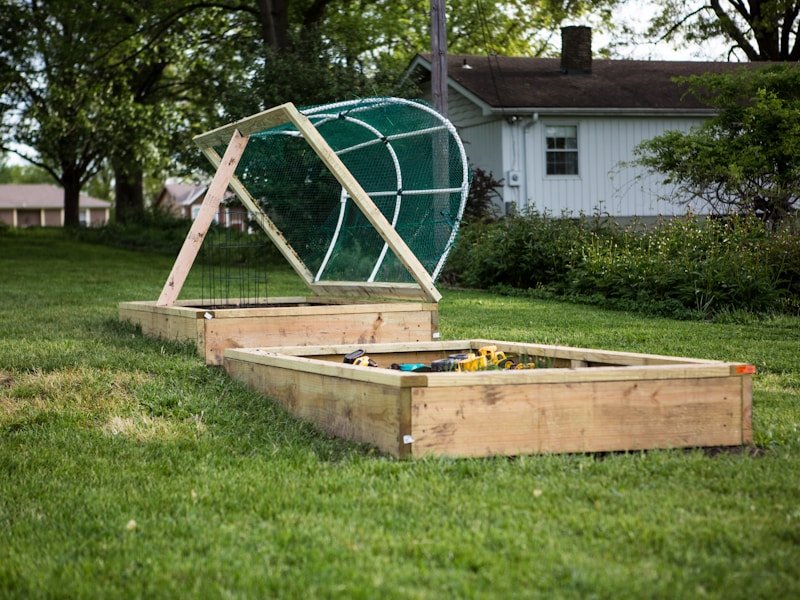
Climate-resilient gardening is the practice of designing and maintaining a vegetable garden that can withstand and recover from extreme weather events—such as heatwaves, heavy rains, frosts, and droughts—while still producing a reliable harvest. It combines smart plant selection, soil health management, water conservation, and protective structures to create a system that adapts to changing conditions rather than fighting them.
Here are five ordered steps you can take starting this weekend to make your garden more resilient.
Not all tomatoes are created equal. Look for heat-tolerant, drought-resistant, or cold-hardy cultivars. For example, ‘Heatmaster’ tomatoes set fruit even when temperatures hit 95°F, while ‘Siberian’ kale shrugs off light frosts. Check seed catalogs for terms like “stress-tolerant” or “adapted to variable conditions.”
Amend your soil with 2–3 inches of organic compost each spring. Healthy soil acts like a sponge, absorbing water during heavy rains and releasing it slowly during dry spells. A soil test (available at most county extension offices for under $20) will tell you if you need to add lime or sulfur to balance pH.
Drip irrigation delivers water directly to the roots, reducing evaporation and fungal diseases. A basic kit costs around $30 and can be set up in an afternoon. Use a timer to water early in the morning—this cuts water loss by up to 50% compared to overhead sprinklers.
Shade cloth (40–50% density) can lower soil temperature by 10°F on scorching days. Row covers made of lightweight fabric protect plants from frost and pests. I keep both on hand and deploy them based on the 10-day forecast.
Instead of planting all your beans at once, stagger plantings every two weeks. This way, if a late freeze kills the first batch, you’ve got backups. Intercropping—growing fast-maturing radishes between slower broccoli—maximizes space and reduces risk.
Let me share a real story. Two years ago, my friend Maria in Kansas faced a brutal spring: a late frost in April, followed by a month of record rainfall, then a drought in June. She had planted mostly heirloom varieties that weren’t bred for extremes. Her entire squash crop rotted from the wet, and her peppers never set fruit.
The next year, she switched tactics. She built raised beds (improved drainage), chose ‘Arkansas Traveler’ tomatoes (known for heat and humidity tolerance), and installed a rain barrel to capture runoff. She also used shade cloth during July’s heatwave. That season, she harvested 40 pounds of tomatoes, 25 pounds of peppers, and enough zucchini to share with neighbors. Her garden didn’t just survive—it thrived. The key was planning for the worst while hoping for the best.
[TABLE_SECTION]
[FAQ_SECTION]
Climate-resilient gardening isn’t about controlling the weather—it’s about working with it. By choosing tough varieties, building healthy soil, managing water wisely, and using simple protective covers, you can keep your vegetable garden productive even when the forecast looks grim. Start with one or two steps this season, and you’ll see the difference. I’d love to hear what’s worked for you—drop a comment below with your own weather-beating tips or questions. Let’s grow smarter, not harder.
Cold-Hardy Vegetables That Survive Winter in Small Yards
| Technique | Cost | Difficulty | Best For |
|---|---|---|---|
| Drip Irrigation | $30–$100 | Easy | Drought management |
| Shade Cloth | $15–$50 | Easy | Heatwave protection |
| Row Covers | $10–$40 | Easy | Frost and pest protection |
| Raised Beds | $50–$200 | Moderate | Flood-prone areas |
| Mulching | $5–$20 | Easy | Moisture retention |
| Compost Amendment | $10–$30 | Easy | Overall soil health |
Your Month-by-Month Backyard Vegetable Planting Calendar