Stop Guessing. Start Harvesting.
Stop Guessing. Start Harvesting.
Discover why commercial growers are switching to vertical tomato trellises for pots—and how they reduce breakage, increase yield, and make harvesting easier.
In the world of commercial container gardening, the humble tomato presents an outsized challenge. Unlike field-grown crops, potted tomatoes are confined to a finite root zone and a limited canopy footprint. Every square inch of vertical space matters. That’s why a vertical tomato trellis for pots is no longer an optional add-on—it’s a structural investment that determines crop health, harvest efficiency, and the bottom line.
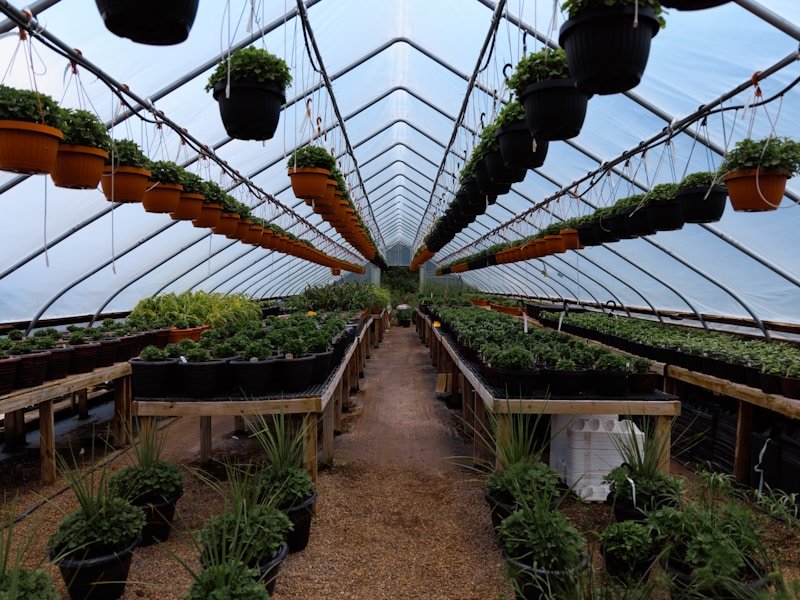
For greenhouse managers, wholesale nurseries, and urban farming operations, the choice of trellis system directly impacts labor costs, disease pressure, and usable yield. In this guide, we’ll break down exactly what a vertical tomato trellis for pots is, how to select the right model, and how to install and maintain it for maximum ROI. Best Vertical Vegetable Garden Ideas for Balcony
A vertical tomato trellis for pots is a freestanding support structure designed specifically for container-grown tomato plants. It uses vertical stakes, towers, or netting to guide the main stem upward, eliminating the need for sprawling ground growth. Typical designs include wire cages, folding towers, clip-on stakes, and trellis nets attached to a center pole. The system keeps fruit off the soil, maximizes sunlight exposure, and simplifies harvesting—all within the footprint of a nursery pot.
Follow these five steps to get the most from your trellis investment and avoid the common mistakes we see in commercial setups. How to Grow Tomatoes in Containers Step by Step: A Commercial Guide
Before ordering 2,000 trellises, measure your pot diameters and weight capacity. A top-heavy tomato plant with fruit can easily tip a 3-gallon container if the trellis is not anchored. For pots under 5 gallons, use a tower or cage that clips securely to the rim. For larger pots (7–15 gallons), a center stake with horizontal clips or a heavy-duty cage works best. Check the base width of the trellis—it should be at least 70% of the pot diameter to prevent pivoting.
Material matters. Powder-coated steel resists rust and holds up for 10+ seasons; galvanized steel is slightly cheaper but can develop white rust in high-humidity environments. Anodized aluminum is light and corrosion-proof but bends under heavy loads. Plastic trellises are cheap but crack in UV light. For commercial wholesale, we recommend a modular steel design with replaceable clips and straps. The table below compares the most common options.
| Trellis Type | Material | Max Height | Support Strength | Typical Pot Size | Price Range (Wholesale) |
|---|---|---|---|---|---|
| Stake and Clip | Galvanized Steel | 6 ft | High | 5-15 gal | $1.80 – $3.20/unit |
| Wire Cage | Powder-Coated Steel | 4 ft | Medium-High | 3-10 gal | $2.50 – $4.50/unit |
| Trellis Netting System | Polypropylene + Steel Pole | 7 ft | Medium | 5-20 gal | $0.90 – $1.40/sq ft |
| Folding Tower | Galvanized Steel | 5 ft | High | 3-10 gal | $3.10 – $5.60/unit |
| Plastic Cage | UV-Stabilized Plastic | 3.5 ft | Low-Medium | 2-5 gal | $0.60 – $1.10/unit |
Never push a trellis into the soil after the plant is established—you will sever feeder roots. Install the support at potting time, so the plant grows naturally around it. For cages, seat the base legs firmly into the growing media before the first watering. For stake-and-clip systems, drive the stake to the bottom of the pot and use wire twists to secure it to the pot rim. Test lateral stability by pushing the top of the trellis with 10 lbs of force; if it wobbles, add a second anchor clip. Pot Tomatoes Yield Secret: Proven Strategies for Commercial Container Growers
The vertical trellis only works if you actively train the plant. Use soft ties or tomato clips every 8–10 inches along the main stem. Remove all suckers below the first flower cluster, and pinch off any lateral shoots that compete with the central leader. As the plant reaches the top of the trellis, allow it to cascade over or pinch the terminal bud to stop upward growth. This technique concentrates energy into fruit set and keeps the canopy open for airflow.
At the end of the growing cycle, remove the plants and pull out all clips. Clean trellises with a 10% bleach solution or a commercial greenhouse disinfectant to kill fungal spores and bacteria. Inspect welds, bends, and coating for wear. Store them off the ground in a dry shed to prevent corrosion. With proper care, a high-quality steel trellis will outlive your plastic pots by a decade. Small Porch Vegetable Gardening: Grow Fresh Food in Tiny Spaces
We worked with a 4-acre greenhouse operation in Homestead, FL, growing 25,000 determinate tomato plants in 5-gallon pots. They were using traditional willow stakes and twine, and every season they lost 15% of plants to wind damage and another 10% to soil-borne pathogens from low-hanging fruit. After switching to a galvanized steel vertical tomato trellis for pots—specifically, a 4-foot folding tower with a powder-coated finish—the numbers changed dramatically:
The operation recouped the entire cost of the new trellises in one season. They still use the same trellises five years later. The Ultimate Guide to Patio Container Size for Vegetables: Grow a Bounty on Your Balcony